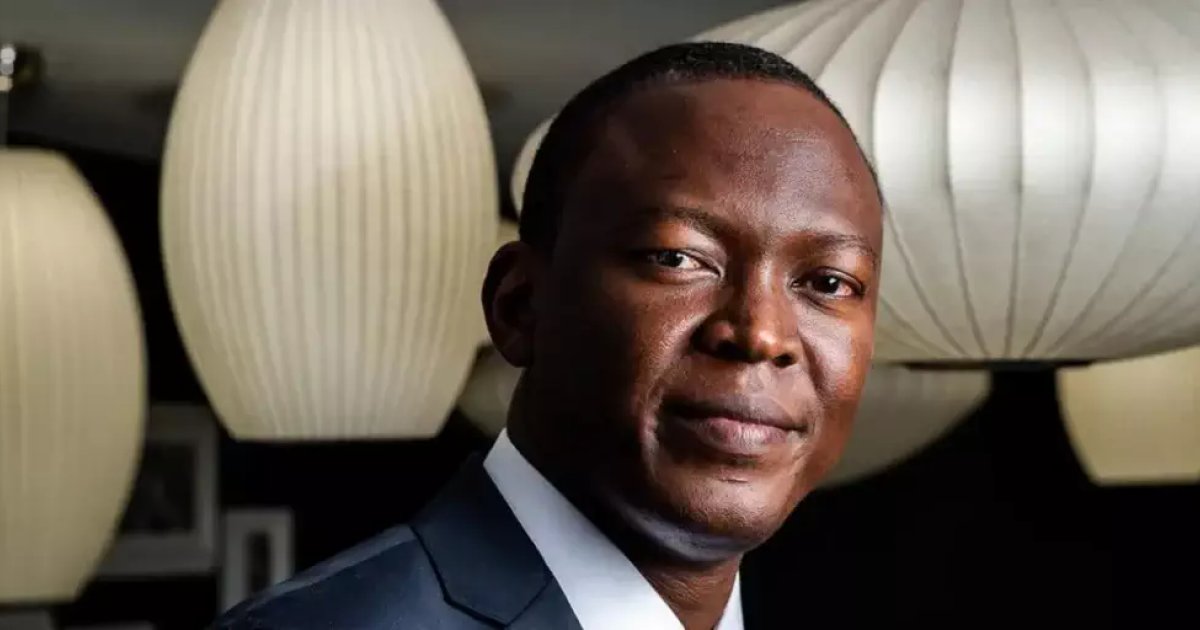
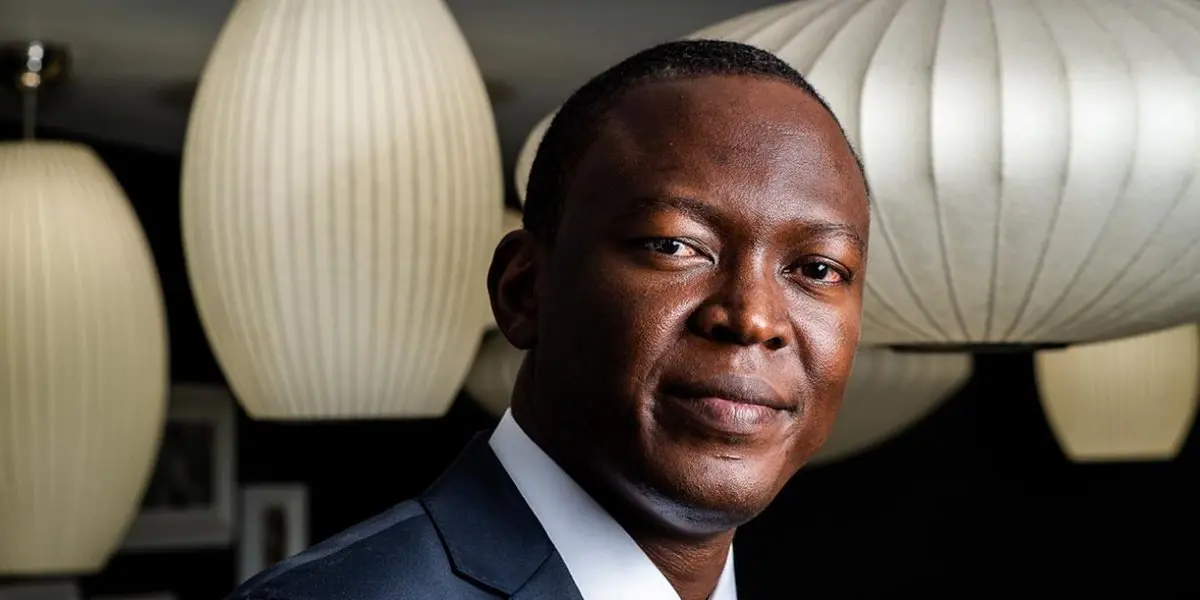
The political landscape in Chad has been reshaped following a significant decision by President Mahamat Idriss Déby Itno. On Friday, August 14, 2026, the head of state granted a presidential pardon to Succès Masra, former Prime Minister and leader of the opposition party Les Transformateurs. This clemency measure could pave the way for Masra’s imminent release, though it does not overturn his original conviction.
Background of the case
The pardon comes nearly three months after Chad’s Supreme Court rejected the defense’s appeal against Masra’s conviction. On May 21, 2026, the highest judicial authority in the country upheld a 20-year prison sentence imposed on Masra in August 2025. By this point, all standard legal avenues had been exhausted, leaving the presidential pardon as one of the few remaining options to alter the execution of the sentence.
Masra was found guilty in connection with violent clashes that erupted in Mandakao, Logone Occidental province. The court convicted him of disseminating hateful and xenophobic messages, as well as complicity in murder. The disturbances in May 2025 resulted in dozens of fatalities.
What the pardon means
While the presidential pardon can lead to a partial or full remission of the sentence, it does not erase the judicial record of the conviction. This nuance is critical in Masra’s case, as his legal team and party have consistently challenged the legitimacy of the proceedings that led to his imprisonment.
In the run-up to Chad’s 66th Independence Day, President Mahamat Idriss Déby had hinted at a wave of pardons aimed at fostering national reconciliation. Though he did not disclose names immediately, Masra’s situation was frequently cited in political and civil society discussions as a potential candidate for clemency.
Political implications
Succès Masra remains a prominent figure in the opposition, having served as Prime Minister in the transitional government from January 2024—just months before the presidential election. In the May 6, 2024, vote, he finished second with around 18% of the vote against Mahamat Idriss Déby’s 61%. After contesting the results and accepting the Constitutional Council’s confirmation, Masra resigned from his post as Prime Minister.
His arrest in May 2025 and subsequent conviction further strained relations between the opposition and the ruling administration, making the pardon a symbolic gesture with potential to ease political tensions.