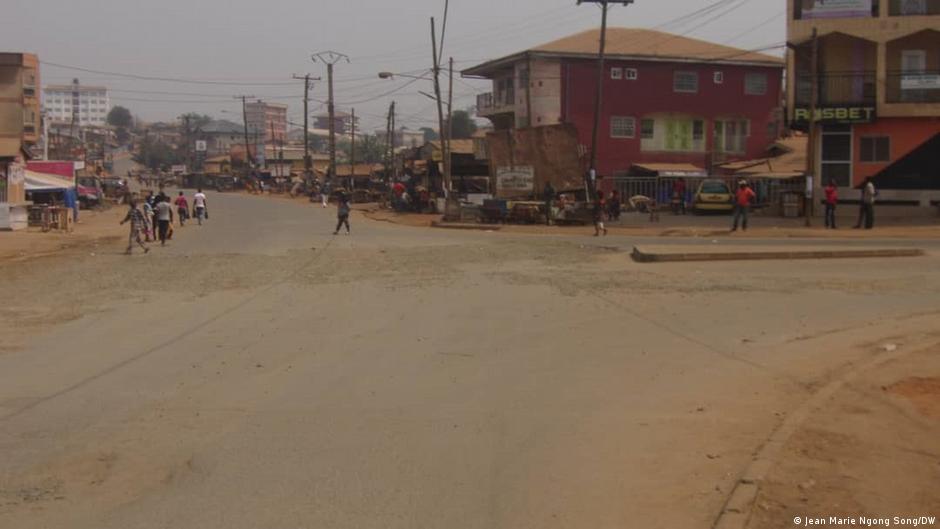
The national road 5 in Cameroon, stretching from the bustling port city of Douala through Bafoussam and extending to Bamenda in the Northwest region, has become a symbol of neglect. Once a vital economic lifeline, this route now carries a grim reputation as one of the country’s most dangerous highways.
Decades of inadequate maintenance have taken their toll. The constant flow of heavy trucks and intercity buses, combined with worsening climate conditions, has accelerated the road’s deterioration. Increased rainfall has eroded the asphalt, widened potholes, and destabilized the terrain, transforming what was once a smooth journey into a hazardous obstacle course.
Enduring a journey of hardship
Travelers boarding a bus from Douala to Bafoussam soon realize the ordeal ahead. Floodwaters submerge sections of the road, washing away road markings and creating deep craters that jolt passengers with every passing vehicle. What used to be a three-and-a-half-hour trip now stretches into grueling ten-hour ordeals, testing both endurance and patience.
Long detours are now the norm. Many drivers avoid the most damaged portions by rerouting through Yaoundé—a detour that adds unnecessary distance and time. Alice, a passenger who recently made the trip, shared her experience: “We left Bafoussam fourteen hours ago and still haven’t reached Douala. The main road in the Haut-Nkam area is impassable. We had to take the route through Yaoundé, even though that wasn’t our destination, and then turn off at Bagangté just to get back on track toward Douala. We’re exhausted, our bodies aching from the constant jolting.”
Death trap on the rise
The treacherous terrain of the Western region, marked by steep hills and unstable soil, has earned this corridor the grim nickname “Triangle of Death.” The road connecting Douala, Yaoundé, and Bafoussam is notorious for its high fatality rate, with reports indicating nearly one hundred deaths each month.
The memory of the November 5, 2024 landslide near Dschang remains vivid—a double collapse that swallowed buses and cars, claiming fourteen lives. The tragedy underscored the road’s vulnerability to extreme weather, a problem only expected to worsen with climate change.
For travelers, reaching Bafoussam or Douala often feels like escaping a life-threatening situation. One anonymous commuter expressed relief at surviving the journey but warned of the risks ahead: “I arrived this morning at 2 a.m. It was pure suffering. I’d even suggest agencies reroute trips from Douala via National Road 3 to Yaoundé, then take National Road 6. Yes, the fare would double, but at least we wouldn’t spend ten or eleven hours on the National 5 only to end up in pieces.”
Government pledges fall short
The government has announced plans to rehabilitate the road at an estimated cost of 180 billion Central African francs. Yet, commuters remain skeptical. Mika Séma, a transporter, voiced frustration over paying tolls for a road that is barely functional: “Tolls are meant to fund road maintenance. How can we justify paying for a path that’s falling apart? Cameroonians must act now. This road must be restored.”
With each passing rainy season growing more intense, time is running out. Unless substantial repairs are made soon, the Douala-Bafoussam route will continue to claim lives and cripple the economy it was meant to serve.