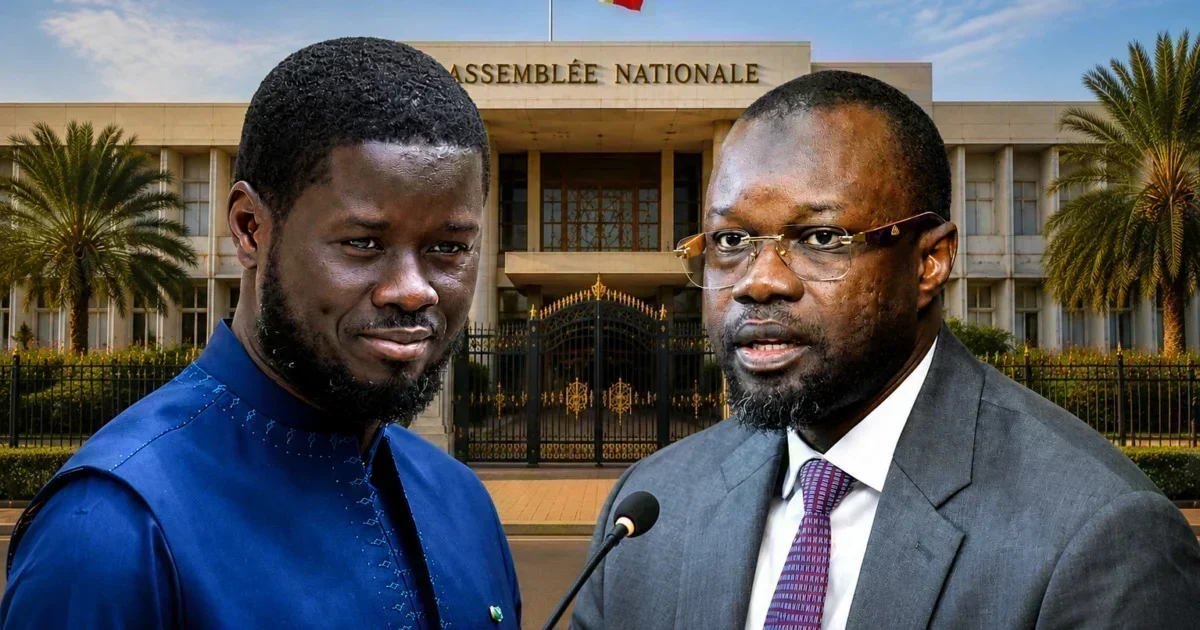
Senatorial deadlock: Ousmane Sonko rejects all government proposals in key legislative vote
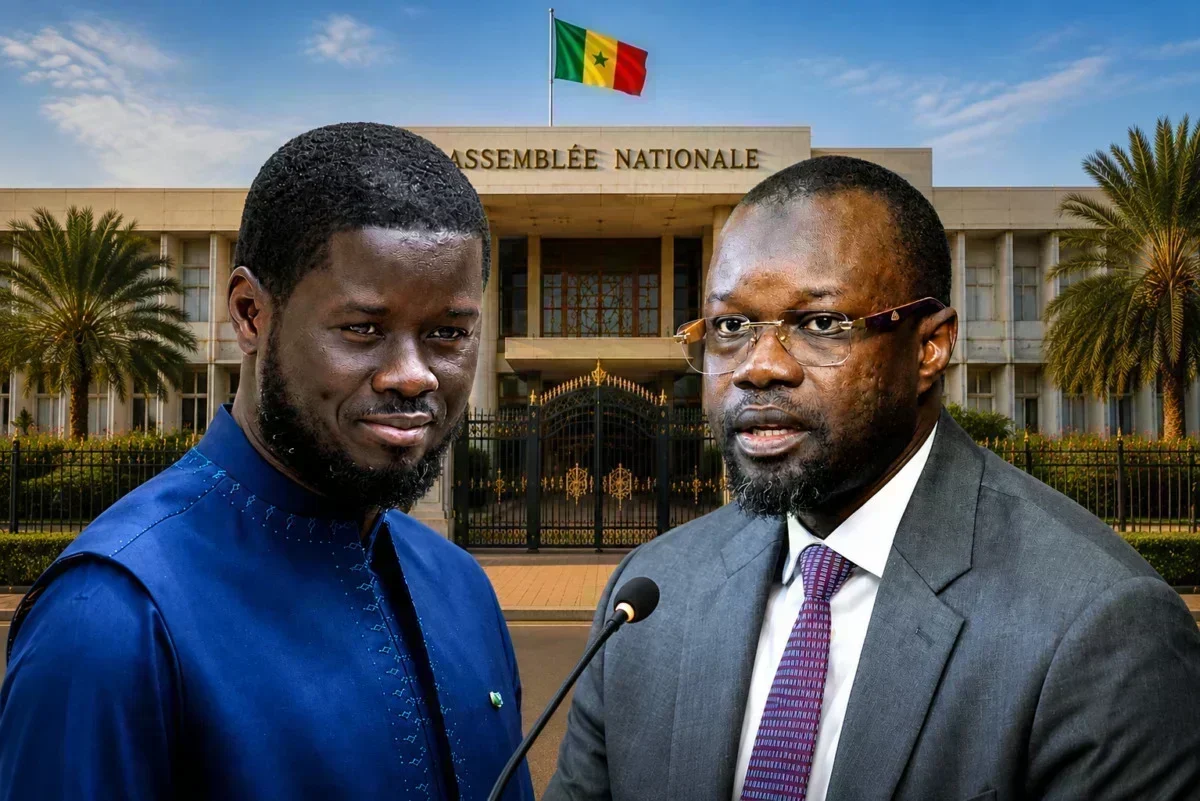
Tensions escalate between Senegal’s executive and legislative branches as procedural battles overshadow legislative progress.
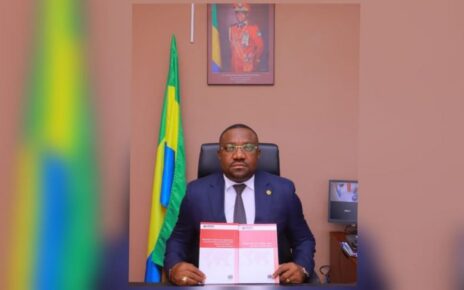
Power struggles intensify at the National Assembly as lawmakers from the ruling Pastef party systematically reject government amendments to key financial legislation. Following previous clashes over asset declaration requirements, yesterday’s legislative session became another battleground where procedural disputes overshadowed economic policy discussions. Justice Minister Moussa Sarr, representing the executive branch, faced immediate resistance when he attempted to introduce six amendments to the Special Credits Regulation Bill.
Technical commission meetings descended into procedural standoffs as Pastef deputies refused to engage with the government’s proposals. The session, originally scheduled for 3 PM, was briefly suspended after lawmakers questioned the drafting inconsistencies highlighted by Minister Sarr. When proceedings resumed, the assembly voted unanimously to reject all six amendments tabled by the executive branch.
Government’s strategic maneuver backfires
The executive branch made an unusual move by sending Justice Minister Moussa Sarr instead of Finance Minister Cheikh Diba to defend the Special Credits Bill. Official records confirm this decision was formalized through an interim decree signed on August 7th, nearly a week before the assembly session. This strategic choice appears to have backfired spectacularly as the minister’s attempts to expand the scope of special credits were met with immediate rejection.
The proposed amendments sought to broaden the definition of special credits beyond defense and national security to include social cohesion, traditional African values, and emergency humanitarian situations. However, the assembly’s finance committee, led by Cherif Ahmed Dicko, refused to accommodate these changes, insisting on maintaining strict boundaries for special credit allocations.
Defining special credits: where government and parliament clash
The fundamental disagreement centers on the scope and purpose of special credits. While the government proposed an expansive definition covering social stability, traditional values, and emergency scenarios, the assembly’s draft legislation maintained a narrow focus on defense, national security, and intelligence activities. The executive’s attempts to include presidential and prime ministerial expenses under special credits also faced immediate rejection.
The assembly ultimately adopted Alphonse Mané Sambou’s amendment, which strengthens parliamentary control by mandating that the Finance and Budget Control Committee oversee special credit expenditures. This version requires managers to maintain detailed records including ledgers, statements, journals, and supporting documents for verification purposes.
Constitutional showdown looms as tensions rise
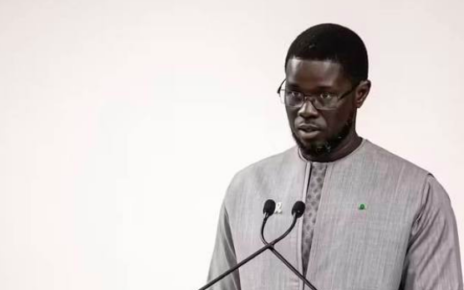
With the special credits bill now cleared for next week’s plenary session, the executive branch appears determined to pursue its agenda. Analysts anticipate another wave of rejected amendments, potentially triggering the government’s use of Article 82 to force through legislation. However, Assembly President Ousmane Sonko has publicly stated he would oppose any blocked voting unless it involves a government bill, setting the stage for another constitutional confrontation.
The persistent legislative gridlock suggests deeper institutional conflicts that could reshape Senegal’s political landscape in the coming weeks. As both branches of government dig in their heels, the public watches closely to see whether compromise can be reached or if constitutional mechanisms will be invoked to break the deadlock.