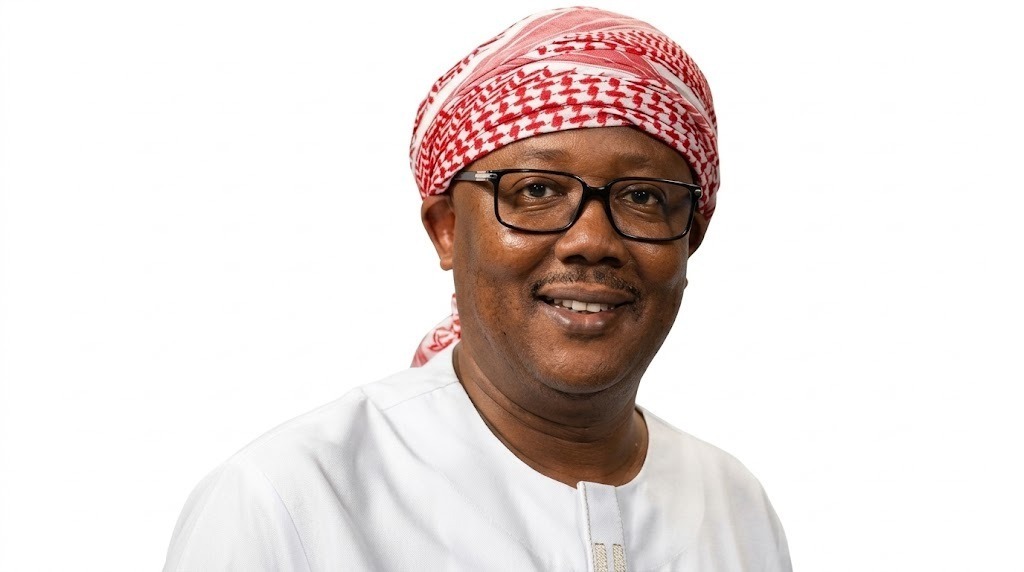
Nine months after his ousting in a military coup, Umaro Sissoco Embaló is making a high-stakes political comeback in Guinea-Bissau. The former president, currently living in exile, has declared his candidacy for the December 6, 2026 presidential election—a move that exposes the unsettled foundations of a nation still grappling with institutional fragility and persistent military influence over civilian governance.
The announcement isn’t just a personal ambition; it’s a calculated challenge to a political order reshaped by the very forces that removed him. Embaló’s return, slated for October 4, signals more than an electoral bid—it reveals the delicate balance of power in a country where democracy remains under constant threat from behind-the-scenes maneuvering and constitutional overhauls designed to tilt the playing field in favor of new players.
The Coup That Changed Everything
The roots of Embaló’s candidacy trace back to November 26, 2025—a day that shattered Guinea-Bissau’s frail democratic process. Just three days earlier, a contentious presidential and legislative election had ended in a deadlock. Both Embaló—seeking re-election—and his primary opponent, Fernando Dias, declared victory, sparking immediate disputes.
Within hours of the vote, soldiers stormed government buildings, arresting Embaló and halting the electoral process. The official narrative cited national security concerns and claims of a destabilization plot allegedly involving narcotics traffickers. Yet, no verifiable evidence was ever publicly presented to support these assertions. Instead, the coup nullified the election entirely. Electoral commission servers and voting records were seized or destroyed, leaving the nation without official results.
This vacuum of legitimacy has fueled persistent speculation. Critics argue Embaló may have orchestrated the coup to prevent unfavorable results from being disclosed. While no conclusive proof supports this claim, the long-standing alliance between Embaló and General Horta N’Tam—the very military figure who led the takeover—has fueled suspicions of collaboration, deepening political divisions across the country.
A New Constitution, A New Power Structure
In the months following the coup, Guinea-Bissau’s military-led transitional government pushed forward a radical constitutional reform. On August 30, 2026, a referendum was held—boycotted by the opposition, including the dominant PAIGC party—which approved sweeping changes granting the president expanded executive powers, including the authority to appoint and dismiss prime ministers, dissolve parliament in certain conditions, and reshape government structures.
The new constitutional framework, ratified with approximately 70% support, drastically alters the political landscape ahead of the December election. Yet its timing—just months before the vote—raises questions about fairness and transparency. Critics see it as an attempt by the junta to consolidate power under a revised rulebook, one that may disadvantage returning figures like Embaló.
Legal Hurdles: Will Embaló Even Be Eligible?
The biggest obstacle to Embaló’s return may not be political opposition, but constitutional eligibility. The revised constitution mandates that presidential candidates must have resided continuously in Guinea-Bissau for the five years preceding the election—a clause that directly challenges the former president’s exile status. Additionally, a non-refundable deposit of 50 million CFA francs has been introduced, adding a financial barrier that could further limit access to the ballot.
These provisions seem tailor-made to exclude figures like Embaló, yet their enforcement remains uncertain. The junta has framed the transition as independent, but the inclusion of such restrictive rules suggests a strategic effort to reshape the political field in favor of new leadership, potentially sidelining all pre-coup figures.
Can Embaló Regain the Presidency?
As the campaign approaches, Embaló’s path to power remains clouded by uncertainty. On one hand, he retains significant political capital. His Madem G15 party still commands influence, and key allies within the military and bureaucracy continue to support him. Some sectors of the state apparatus, despite the coup, remain loyal to his vision of governance.
On the other hand, his legacy is deeply contested. Critics accuse him of eroding democratic norms during his presidency, clashing repeatedly with parliament and the opposition. Before the coup, Guinea-Bissau was already marred by recurring political crises, including violent confrontations between security forces and civilians. His leadership style was seen by many as consolidating power at the expense of institutional checks and balances.
Perhaps the most glaring unknown is the actual outcome of the 2025 election. Without official results, no one can confirm whether Embaló was ahead or trailing. The conflicting victory claims from both sides lack credibility, turning the past into a source of ongoing dispute rather than clarity. This absence of resolution continues to poison the political atmosphere.
What Lies Ahead: Democracy or Another Cycle of Instability?
The stakes of the December 6 election extend far beyond Umaro Sissoco Embaló. The nation stands at a crossroads: will it finally conduct a transparent vote with publicly recognized results, or will it succumb once again to behind-the-scenes control and unmet promises?
Embaló’s return may be a symptom of deeper structural flaws—a political class unable to break free from cycles of coups, exile, and contested legitimacy. His candidacy is not just about one man’s ambition; it reflects the persistent struggle to normalize democratic governance in a country where elections have often served as preludes to further instability.The true test for Guinea-Bissau isn’t whether Embaló can win—it’s whether the nation, for the first time in decades, can hold an election whose outcome is accepted by all stakeholders. If it fails, the December vote may simply mark another chapter in a long history of failed transitions. If it succeeds, it could signal the fragile emergence of a lasting democratic order. The world will be watching.