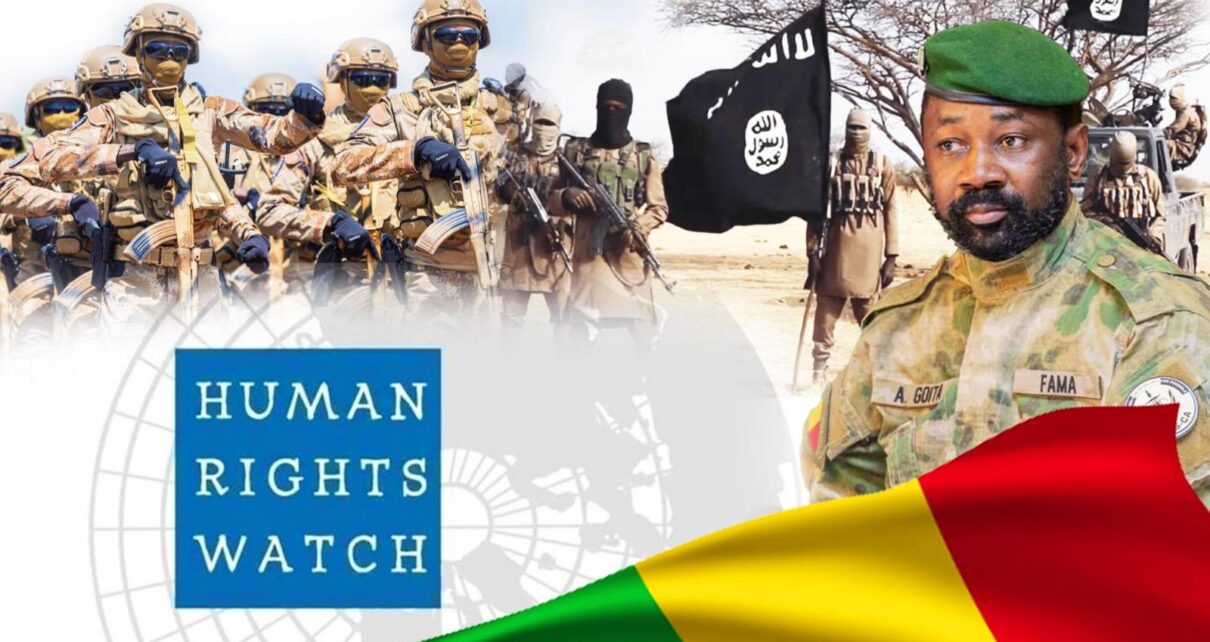
Recent military developments in Mali have plunged the nation deeper into a spiral of violence, with civilians bearing the brunt of escalating hostilities. Following the fall of Kidal on April 25, 2026, the conflict has intensified, drawing in Mali’s armed forces, international allies, and armed insurgent groups in a deadly three-way struggle for control.
a turning point in Mali’s ongoing crisis
The capture of Kidal marked a decisive shift in the conflict, triggering a swift and aggressive counteroffensive by the Malian Armed Forces (FAMa). Backed by Russian military instructors from Africa Corps, the government launched a sweeping campaign to reclaim lost territories. However, this military surge has come at a devastating human cost. Initial clashes in Gao and Kidal alone resulted in at least 13 civilian deaths and 25 injuries, according to comprehensive field investigations.
economic warfare targets civilian survival
The insurgent group Jama’at Nusrat al-Islam wal Muslimin (JNIM), an Al-Qaeda affiliate, has systematically adopted economic sabotage as a weapon of war. By enforcing brutal roadblocks and intercepting supply convoys, the group seeks to cripple Mali’s already fragile infrastructure. Between May 6 and 21, 2026, more than 40 commercial vehicles were destroyed, cutting off vital routes to Bamako. The most damaging blow has been the repeated targeting of fuel tankers, a tactic that began in September 2025 and has since disrupted fuel distribution networks, plunging entire regions into darkness and stifling local economies.
These punitive measures have forced schools to close and markets to grind to a halt, exacerbating food insecurity and deepening poverty across conflict-affected zones. The group’s reign of terror extends beyond economic strangulation, with public executions—such as the killing of a civilian in Tonka, near Tombouctou—serving as grim warnings to any who resist their authority.
the humanitarian crisis in numbers
- Blocade impact: Fuel and electricity shortages trigger school closures and market disruptions.
- Civilian casualties: At least 38 civilians killed in ground operations between May 14–17, including 23 children.
- Aerial strikes: Drone bombings in Guimbé (April 25) killed 12 children and adolescents; a wedding ceremony in Téné (May 17) was struck, killing 10 civilians.
government-backed operations face scrutiny over civilian toll
The Malian government’s military response, conducted in partnership with Africa Corps, has also come under sharp criticism for indiscriminate tactics. Investigations reveal a pattern of violence disproportionately affecting the Fulani community in central Mali, where civilians are frequently conflated with insurgent elements. The lack of transparency from authorities has only fueled distrust and deepened grievances among affected populations.
In contrast, the JNIM leadership defended its actions to human rights monitors, asserting that civilians targeted were complicit in violating group-imposed rules within its controlled areas. Meanwhile, the Malian Ministry of Justice has remained silent, failing to address inquiries or provide explanations regarding documented abuses.
urgent call for independent accountability
With the collapse of international oversight following the withdrawal of the UN peacekeeping mission, Mali now faces a critical void in justice and accountability. Human rights advocates warn that unchecked violence and impunity are fueling further radicalization and prolonging the suffering of millions. They are urging the African Union and the United Nations to immediately deploy an independent fact-finding mission to gather evidence of war crimes and lay the groundwork for future prosecutions.
The international community’s delayed response risks normalizing atrocities and abandoning civilians to an endless cycle of violence. Without decisive action, Mali’s fragile social fabric may never recover.