UN experts have strongly criticized a recent legislative move in Mali that threatens fundamental political freedoms. A newly proposed bill, which seeks to dismantle existing protections for political participation, alongside a decree suspending political party activities indefinitely, has been deemed a severe violation of human rights by an independent UN working group.
In a joint statement released on May 8, the experts emphasized that the draft law—which was approved by Mali’s Council of Ministers—directly contravenes the country’s obligations under international human rights law, particularly regarding freedom of association and expression. The decree, they argue, further undermines democratic principles by restricting political engagement without clear justification.
government’s rationale under scrutiny
Mali’s transitional authorities have defended the measures, claiming they aim to curb the proliferation of political parties rather than eliminate them entirely. However, the UN experts countered this argument, stating that such proliferation can be better managed through legitimate electoral reforms—such as requiring parties to meet minimum electoral performance thresholds for registration. Instead, the proposed law imposes excessive financial burdens on party registration and candidate nominations, effectively restricting political participation to economically privileged groups.
The experts also highlighted discrepancies between the government’s claims and reality. While officials assert that the bill reflects outcomes from national dialogues—including the 2021 National Refoundation Conference and April 2025 consultations on the Political Parties Charter—they pointed out that these processes lacked genuine inclusivity. With civil society space shrinking, opposition figures and independent journalists face growing risks of reprisals for exercising free speech, raising doubts about the legitimacy of the consultations.
Several political parties boycotted the April 2025 consultations, fearing the process was a pretext to dissolve opposition groups or ban their activities. The Council of Ministers also considered other controversial recommendations, such as extending the current president, General Assimi Goita, in power for five years without elections, starting in 2025. These developments, according to the experts, betray Mali’s national and international commitments to democratic governance.
call for legal reform and accountability
The draft law is now awaiting approval from Mali’s National Transitional Council, led by General Malick Diaw. The UN experts urged the council to reject the proposal outright, warning that its adoption would further isolate Mali on the global stage. They offered technical assistance to revise the bill in line with international human rights standards.
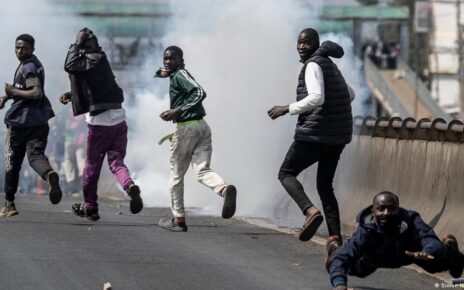
In response to the government’s actions, opposition parties organized public demonstrations on May 3 and 4. However, they reported violent disruptions by pro-government groups. Additional protests have been planned for May 9. The UN experts condemned these attempts to suppress peaceful assembly, stressing that the right to protest is vital for a vibrant democracy.
« The Malian transitional authorities must respect the right to peaceful assembly and refrain from intimidation or repression that endangers the safety and rights of demonstrators, » the experts stated. They called for an immediate halt to the decree suspending political activities and urged a return to inclusive, rights-respecting governance.