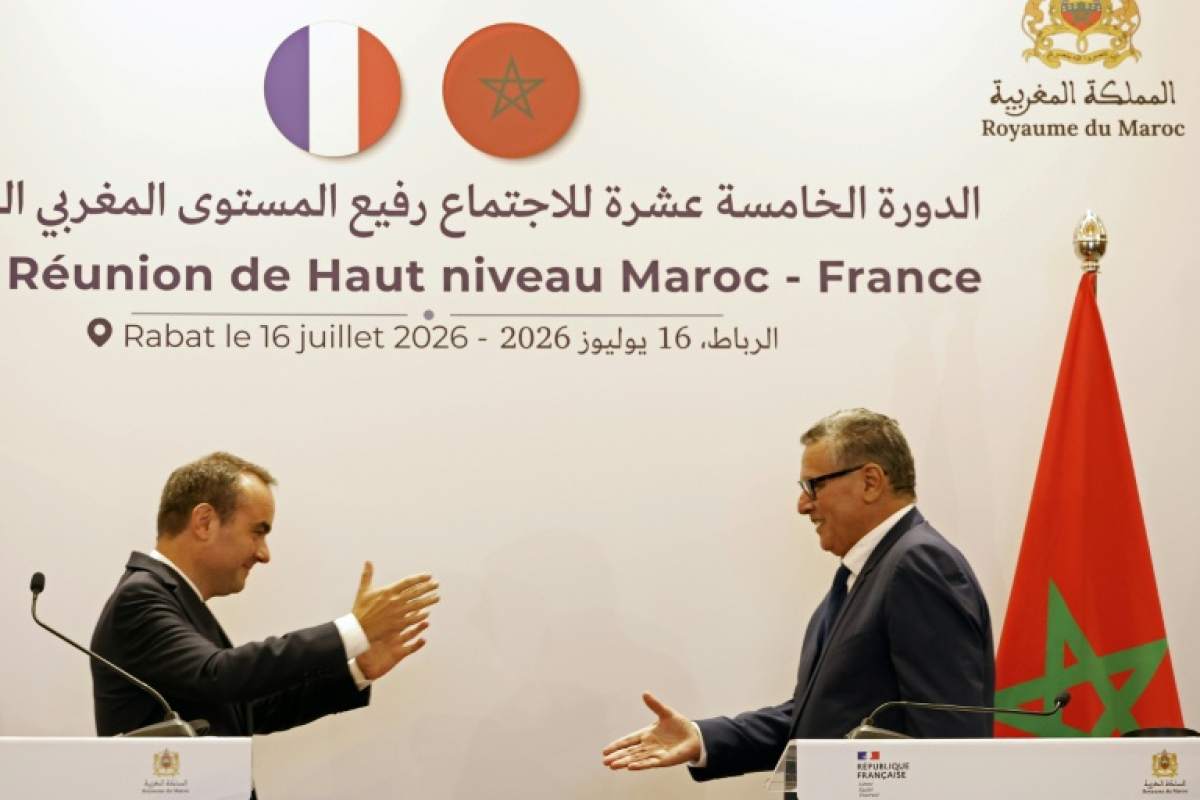
French Prime Minister Sébastien Lecornu and Moroccan counterpart Aziz Akhannouch concluded a two-day visit to Rabat this week, marking a decisive step in the restoration of bilateral relations between the two nations. The discussions, held at the Ministry of Foreign Affairs, underscored a new era of cooperation following years of diplomatic friction.
Lecornu hailed the outcome as an exceptionally positive milestone, highlighting the deepening strategic partnership that has taken shape since French President Emmanuel Macron formally recognized Morocco’s sovereignty over Western Sahara in mid-2024. That pivotal decision, which drew sharp criticism from Algeria, paved the way for a historic state visit by Macron to Rabat later that year, effectively ending a three-year period of strained ties marked by espionage allegations and visa restrictions.
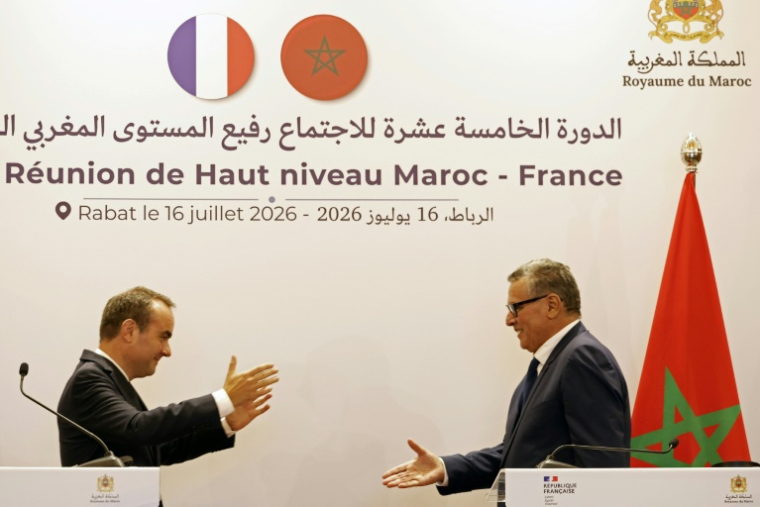
French Prime Minister Sébastien Lecornu (left) and Moroccan Prime Minister Aziz Akhannouch at a press conference in Rabat
New chapter in European-Maghreb relations
The visit culminated in the announcement of a groundbreaking treaty—France’s first such agreement with a non-EU nation. While no date has been set for King Mohammed VI’s anticipated trip to Paris, both sides emphasized the unprecedented scope of this accord, designed to elevate economic, security, and energy collaboration to new heights.
Among the twelve agreements signed were financing conventions with France’s Development Agency for water infrastructure and Rabat’s new regional express rail network (RER). Additionally, both countries launched a call for expressions of interest in cross-border electricity interconnection projects, signaling a long-term commitment to regional integration.
A strategic pivot in the Maghreb
Observers note a clear shift in France’s North African policy, with Rabat now taking precedence over Algiers. This realignment comes as Paris seeks to bolster its influence in counterterrorism and security operations across the Sahel, where jihadist threats continue to escalate. Lecornu emphasized the centrality of Africa to both nations’ priorities, stressing the need for joint action in combating organized crime and drug trafficking.
“We are entering a new phase,” stated a source close to the French presidency. “Our goal is to expand cooperation frameworks and consolidate trust with Morocco—particularly in areas critical to both our nations’ security and prosperity.”
The King of Morocco, in a message marking France’s Bastille Day, celebrated the strengthening of privileged relations and reaffirmed the shared vision underpinning the partnership. Meanwhile, Aziz Akhannouch described the evolving alliance as a strategic milestone, built on “renewed political convergence, mutual trust, and a common ambition.”
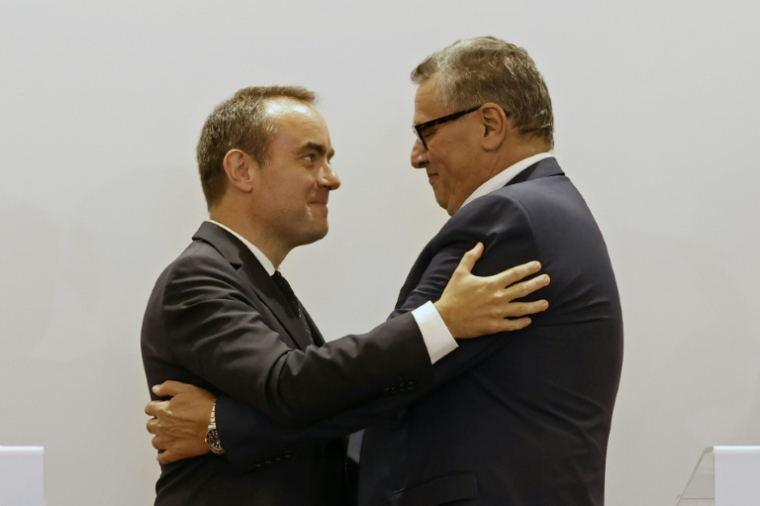
French Prime Minister Sébastien Lecornu (left) and Moroccan Prime Minister Aziz Akhannouch embrace after a joint press conference in Rabat
Addressing lingering concerns
Despite the positive momentum, tensions lingered over reports alleging Morocco’s use of the Pegasus spyware. While Rabat dismissed the claims as unfounded and misleading, the issue briefly overshadowed the visit. French officials, including Foreign Minister Jean-Noël Barrot and Interior Minister Laurent Nuñez, who accompanied Lecornu, declined to comment, with one advisor framing the controversy as old news.
The absence of a full press conference—replaced by scripted remarks—further fueled speculation, though both sides maintained a united front. “Our focus remains on building a robust framework for cooperation,” reiterated the French delegation.
With visa policies also on the agenda, Lecornu announced plans to simplify circular migration between the two countries, prioritizing entrepreneurs, researchers, and students. This move aims to reverse the restrictive measures imposed in 2021–2022, which had severely limited Moroccan travel to France.
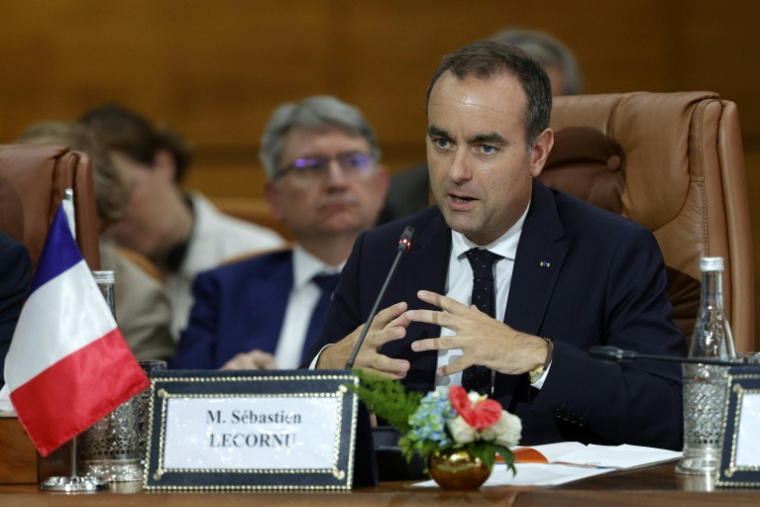
French Prime Minister Sébastien Lecornu delivers opening remarks during a plenary session with Moroccan ministers
A partnership for the future
The 15th High-Level Meeting—the first since 2019—served as a turning point, with both nations pledging to elevate their alliance across defense, energy, and economic sectors. While Algeria remains a key regional actor, France’s growing alignment with Morocco reflects a broader recalibration of its Maghreb strategy, one increasingly shaped by security imperatives in the Sahel.
As the dust settles on this high-profile visit, one thing is clear: Paris and Rabat are not just restoring trust—they are laying the groundwork for a new era of partnership in North Africa.