International
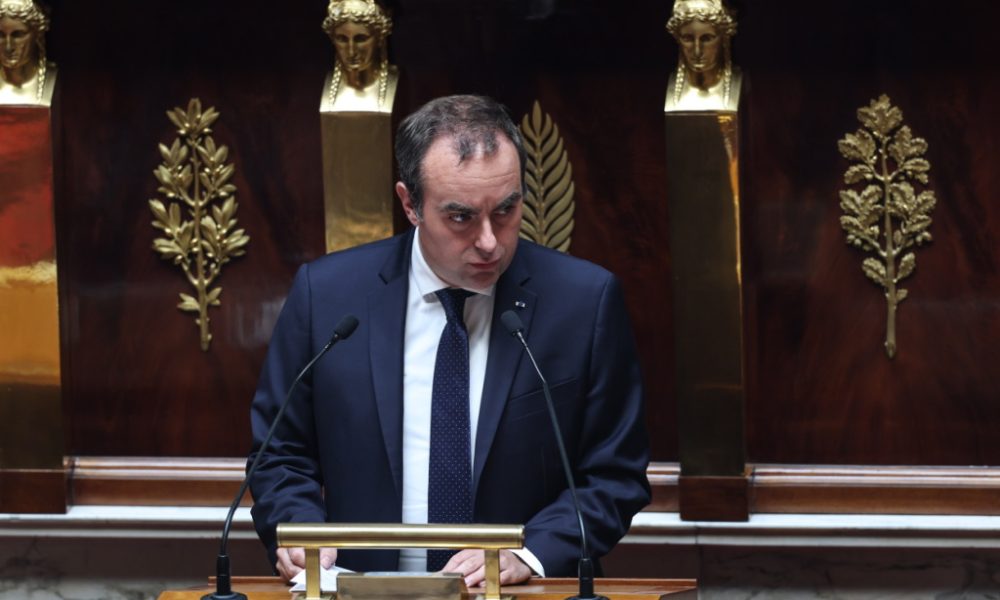
French Prime Minister Sébastien Lecornu’s pivotal visit to Rabat signals strengthened Morocco-France ties

Paris/Rabat — French Prime Minister Sébastien Lecornu embarks on a critical two-day diplomatic mission to Rabat, marking his inaugural official visit abroad since assuming office. The high-profile trip, scheduled for Wednesday and Thursday, aims to solidify the burgeoning strategic alliance between France and Morocco, while paving the way for a potential historic state visit by King Mohammed VI to Paris.
Lecornu will lead a high-powered delegation of senior ministers, including Foreign Affairs Minister Jean-Noël Barrot and Interior Minister Laurent Nuñez, for comprehensive bilateral discussions with Moroccan Prime Minister Aziz Akhannouch. This landmark meeting represents the first high-level governmental interaction between the two nations since 2019, signaling a dramatic thaw in relations that have seen remarkable improvement since mid-2024.
From diplomatic tensions to strategic partnership
The relationship between France and Morocco has undergone a remarkable transformation in recent years. The turning point came in summer 2024 when French President Emmanuel Macron formally recognized Morocco’s sovereignty over the disputed Western Sahara territory. This bold diplomatic move, which drew strong criticism from Algiers, marked the beginning of a new era in Franco-Moroccan relations.
The French president’s subsequent three-day state visit to Rabat in October 2024, complete with lavish official ceremonies, effectively ended three years of strained relations that had been marred by espionage allegations and visa restrictions. The visit culminated in the signing of multiple bilateral agreements, demonstrating the potential for renewed cooperation.
“The current relationship is exceptional, and we’re now poised to harvest the fruits of this diplomatic rapprochement,” noted Hasni Abidi, Director of the Geneva-based Center for Studies and Research on the Arab and Mediterranean World. “Paris has decisively shifted its North African strategy, prioritizing Morocco over Algeria in a way that would have been unimaginable just two years ago.”
Comprehensive agenda: security, economy, and regional stability
The Moroccan capital will host a packed agenda featuring a ceremonial military welcome, a solemn wreath-laying ceremony at the Royal Mausoleum, and a series of pivotal bilateral meetings. The centerpiece of the visit will be a high-level summit between the two prime ministers, followed by an extended session between their respective delegations at the Moroccan Ministry of Foreign Affairs.
Key areas of focus include:
- Economic cooperation: Discussions on new investment initiatives and trade agreements
- Security collaboration: Enhanced counterterrorism efforts and intelligence sharing
- Migration management: Joint approaches to regional migration challenges
- Defense partnerships: Strengthening military cooperation and defense procurement
Lecornu’s counterpart, Interior Minister Laurent Nuñez, will hold separate discussions with his Moroccan counterpart Abdelouafi Laftit regarding critical security matters, including the potential extradition of a Franco-Moroccan national wanted in France for a 2019 homicide case.
“As Algeria remains a challenging partner, President Macron is determined not to leave his North African policy in disarray,” explained historian Pierre Vermeren. “Morocco’s strategic position in the Sahel and its influence in sub-Saharan Africa make it an invaluable partner for France, particularly in combating the growing jihadist threat.”
Western Sahara: a defining issue in Franco-Moroccan relations
The Western Sahara dispute has emerged as the cornerstone of the renewed Franco-Moroccan partnership. France’s recognition of Morocco’s autonomy plan for Western Sahara in 2024 contributed significantly to the adoption of a favorable UN resolution in 2025, strengthening Morocco’s international position in the decades-old conflict with the Polisario Front.
This former Spanish colony, classified as a “non-self-governing territory” by the UN, has been a flashpoint in Moroccan-Algerian relations since the 1970s, with Algiers traditionally supporting the Polisario Front’s independence claims. The Western Sahara question has become a litmus test for the depth of Franco-Moroccan cooperation, with Rabat particularly appreciative of France’s unwavering support for its territorial integrity.
Looking ahead: potential royal visit and long-term agreements
The most anticipated outcome of Lecornu’s visit could be the announcement of a state visit by King Mohammed VI to France, potentially accompanied by the signing of a comprehensive Franco-Moroccan partnership treaty. While the timing remains unspecified, both countries’ foreign ministers announced in late May the principle of such a visit—the first by a Moroccan monarch to France since March 2000.
“The potential royal visit would represent the ultimate symbol of the renewed partnership between our nations,” commented a senior French diplomatic source. “It would consolidate what has been achieved and open new avenues for cooperation across all sectors.”
The visit comes at a crucial juncture in Franco-Moroccan relations, following years of diplomatic turbulence that saw visa restrictions imposed and suspended, only to be fully lifted in 2025. This normalization of relations follows Morocco’s strategic pivot toward other European partners during the height of the visa crisis, when Paris reduced visa allocations by half in 2021-2022.
Strategic implications for the Maghreb and beyond
Lecornu’s visit to Rabat carries significant regional implications. The strengthening of Franco-Moroccan ties represents a strategic shift in France’s approach to North Africa, moving away from its traditional balancing act between Morocco and Algeria. This reorientation reflects both countries’ shared interests in regional stability and their commitment to countering the spread of extremist ideologies across the Sahel.
As French Foreign Minister Jean-Noël Barrot noted during preparatory meetings, “This visit is not merely about bilateral relations—it’s about shaping the future of our shared neighborhood. Morocco’s leadership role in the region makes it an indispensable partner for addressing the complex challenges we face together.”