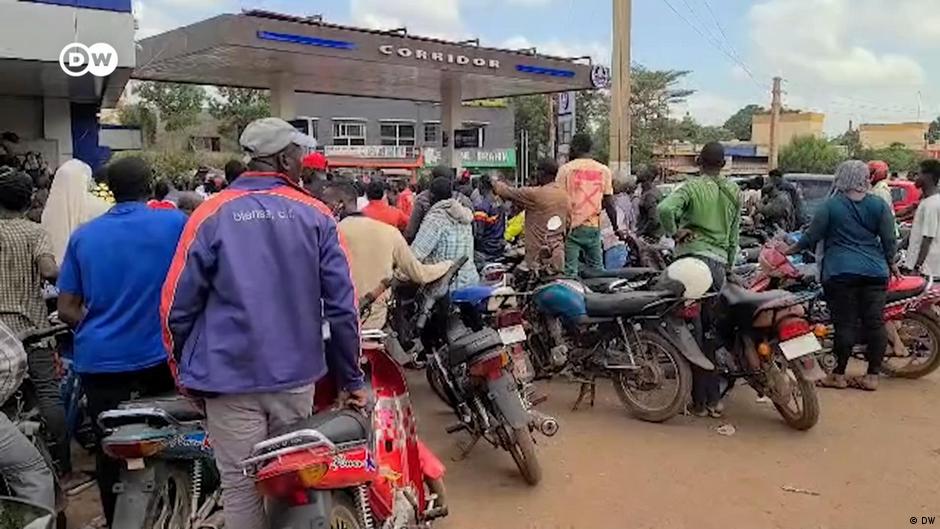
Residents of Segou struggle as fuel shortages persist
Since September 2025, Segou, a key city in central Mali located over 200 kilometers from Bamako, has been grappling with a persistent fuel shortage. The crisis has brought daily activities and economic operations to a near standstill.
Fuel deliveries to Segou rely entirely on convoys escorted by the Malian Armed Forces (FAMa), which transport fuel from Bamako. Due to ongoing security challenges in the region, these convoys operate only two to three times per month, leaving the city vulnerable to supply gaps.
Inadequate fuel supply disrupts essential services
Each delivery typically involves more than ten tanker trucks arriving in Segou. Most of the fuel is allocated to industrial producers and Énergie du Mali (EDM), the national electricity provider. Only three to four trucks are reserved for filling stations, which are frequently depleted within 48 hours of delivery.
Residents report frequent stockouts at service stations, compounding the crisis. The situation has fueled frustration among locals, who demand a more consistent supply of fuel to restore normalcy.
Black market thrives amid fuel scarcity
When service stations run dry, informal sellers step in to meet demand. In neighborhoods across Segou, gasoline is sold at prices ranging from 2,000 to 5,000 West African CFA francs per liter—far above regulated rates.
Questions persist about the origin of fuel circulating in the black market. Many residents suspect profiteers are exploiting the crisis, operating openly without fear of consequences.
Local economy feels the strain
Fuel shortages have triggered a noticeable slowdown in Segou’s economic activity. Main streets that were once bustling with commerce now appear unusually quiet.
Public transportation has been hit particularly hard. Fares for tricycles, locally known as katakatani, have doubled from 100 to 200 West African CFA francs. This surge in prices has made daily commutes unaffordable for students, teachers, and workers alike.
In response, the Malian Armed Forces have intensified patrols and roadblocks to intercept vehicles carrying large quantities of fuel to distant locations. Despite these efforts, residents continue to call for a sustainable resolution to a crisis that continues to weaken Segou’s economy day by day.