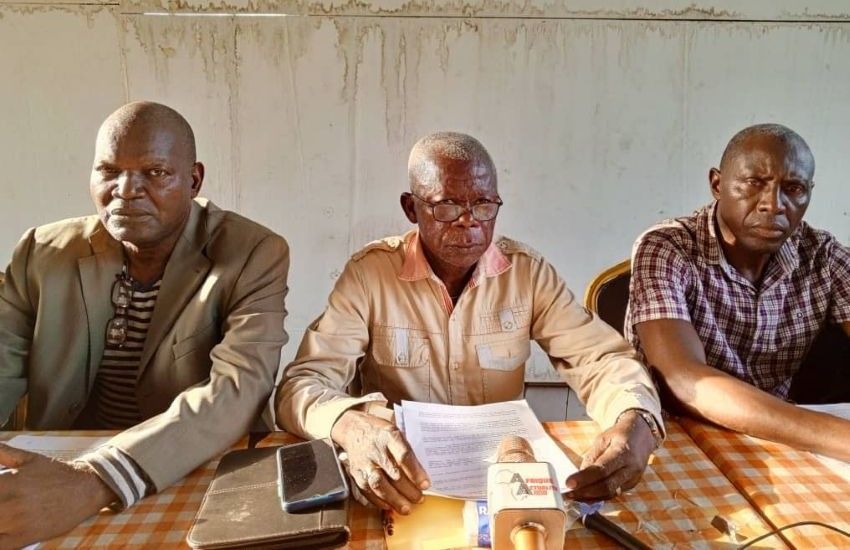
Gabon celebrates national day for retirees and elderly citizens
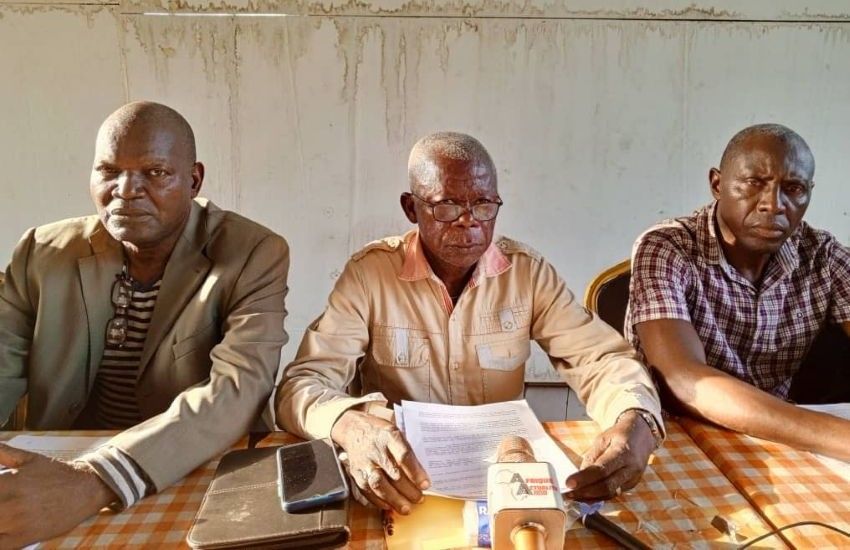
Libreville, June 26, 2026 — For generations, retirees and elderly citizens have been the backbone of Gabon’s institutions, shaping its administration, maintaining state continuity, and mentoring younger generations. Yet, despite their invaluable contributions, they often find themselves on the margins of public policy debates, celebrated in rhetoric but rarely prioritized in national agendas.
The Gabonese government has taken a decisive step to address this disparity by establishing a National Retirees and Elderly Citizens Day, observed annually on October 1st. This landmark decision embeds the recognition of senior citizens into the fabric of the republic, signaling a deeper commitment to social cohesion and intergenerational solidarity.
The decree, approved during the June 25, 2026 Council of Ministers meeting, underscores the critical role this demographic plays in national development. It arrives at a pivotal moment when global aging trends are reshaping priorities for governments worldwide, compelling policymakers to rethink their approach to experience, social protection, and solidarity.
Honoring a national legacy
Rooted in Article 95 of the Constitution, the new measure designates October 1st as a day dedicated to retirees and the elderly. The timing aligns with the United Nations’ International Day of Older Persons, reinforcing Gabon’s initiative within a global movement that champions the value of senior citizens.
While the day serves as a tribute to those who have dedicated their careers to public service, private enterprise, and community development, its purpose extends beyond mere homage. It highlights a fundamental truth often overlooked: a nation’s strength lies not only in its future ambitions but also in its acknowledgment of those who laid its foundations.
In an era dominated by speed, innovation, and immediate results, retirees represent an irreplaceable human resource. They embody institutional memory, professional expertise, and social stability—qualities that are essential for guiding younger generations navigating rapid economic, technological, and cultural shifts.
From symbolic gesture to strategic necessity
The government’s initiative also responds to a demographic reality that is reshaping societies across the globe. Population aging is no longer confined to developed economies; it is increasingly a defining challenge for African nations as well.
By officially recognizing this issue, Gabon seeks to spotlight the pressing challenges faced by its elderly population. Access to healthcare, living conditions, social security, combating isolation, mobility, family bonds, and inclusion in community life are among the critical issues that demand attention as the country’s demographic landscape evolves.
The planned activities will unite public administrations, local authorities, associations, community organizations, and families in a series of awareness campaigns, recognition events, and intergenerational dialogues. The goal is twofold: to reinforce the respect owed to seniors and to foster the transfer of knowledge and values between generations.
This approach addresses a need that is often underestimated. In many African societies, where family solidarity has historically been a cornerstone, modernization is gradually eroding traditional support systems for the elderly. The state, therefore, plays a crucial role in preserving this balance and ensuring no citizen is left behind.
A development model centered on humanity
Through this initiative, Gabon reaffirms its vision of development as more than just infrastructure, investments, or economic growth. True modernization is measured by a nation’s ability to protect its most vulnerable while honoring those who have dedicated their lives to the collective good.
The creation of National Retirees and Elderly Citizens Day reflects a clear political will—one that places humanity at the heart of public action and recognizes experience as a national treasure on par with economic or natural resources.
The first observance on October 1, 2026, will mark more than a ceremonial milestone. It will open a new chapter in reflecting on the place of seniors in contemporary Gabonese society. Because a nation that honors its past strengthens its unity. And a state that respects its elders secures a more stable future.