Deadly Ebola outbreak in Democratic Republic of Congo surpasses 2,000 deaths
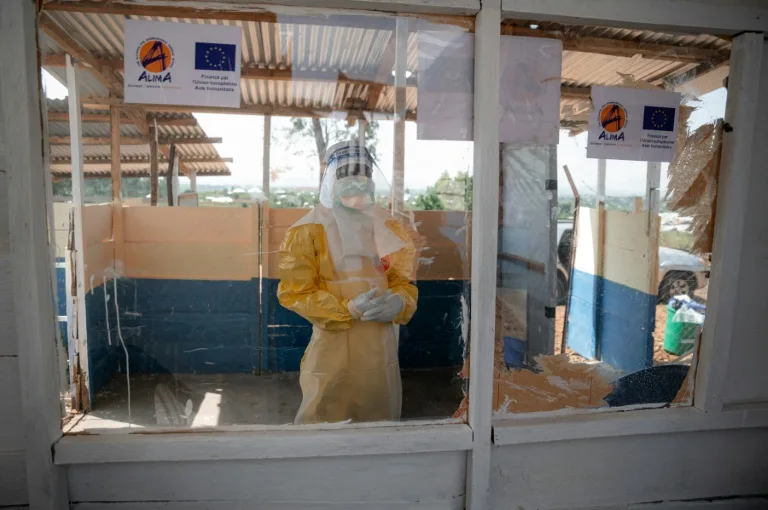
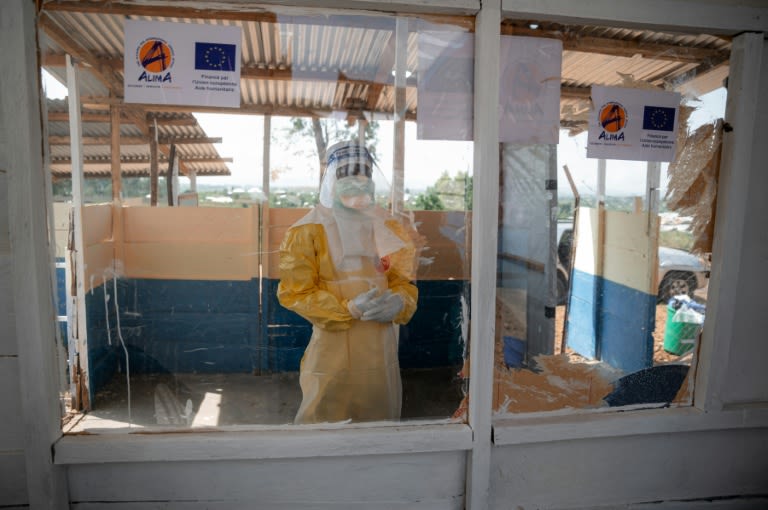
The Ebola epidemic ravaging the Democratic Republic of Congo (DRC) has now claimed over 2,000 lives, pushing it dangerously close to the deadliest outbreak the country has ever recorded. This devastating milestone comes as health authorities scramble to contain the spread of the virus.
The DRC officially declared its 17th Ebola outbreak on May 15—weeks behind schedule—marking what health experts now consider the most severe epidemic in the nation’s history. Sania Nishtar, CEO of Gavi, the Vaccine Alliance, warned that this outbreak could become the largest ever recorded globally.
According to the latest official figures released this week, the death toll has reached 2,011 out of 4,381 confirmed cases. The grim threshold of 1,000 fatalities was crossed on July 22, underscoring the rapid escalation of the crisis.
The deadliest Ebola outbreak in DRC history occurred between 2018 and 2020, resulting in nearly 2,300 deaths and 3,500 recorded cases.
Current mortality rates for this outbreak stand at 45.9%, according to health authorities, highlighting the virus’s relentless lethality.
Samuel Roger Kamba, the DRC’s Minister of Health, cautioned that “we have not yet reached the peak” of the outbreak. In a televised interview on Tuesday, he expressed cautious optimism, stating, “Within the next three months, we expect to gain control over the spread and begin seeing a decline in new cases.”
The response effort faces daunting challenges, particularly in the eastern provinces where armed groups and deep-seated public distrust have severely hampered containment efforts. Only 30% of infected individuals are being reached by health teams, while 70% of fatalities occur at home, according to Mohamed Yakub Janabi, WHO Regional Director for Africa.
Janabi emphasized the uniqueness of this outbreak, noting that “this is why this Ebola epidemic is different.”
Vaccine trials underway to combat the crisis
In a critical development, WHO experts recommended on Friday evaluating the Ervebo vaccine—the only Ebola vaccine currently licensed—in clinical trials. This step is necessary because the circulating strain, Bundibugyo, differs from the one Ervebo targets.
Dr. Tedros Adhanom Ghebreyesus, WHO Director-General, hailed the move as “encouraging news” in the fight against the epidemic. With extensive safety data already available on Ervebo, experts believe the vaccine could progress directly to Phase 3 trials, typically involving thousands of participants.
Supplies of Ervebo, sourced from the global Ebola vaccine stockpile managed by Gavi, are slated for deployment to support these trials. The stockpile, manufactured by Merck, holds approximately 500,000 doses, with a portion strategically pre-positioned in the DRC due to the country’s recurrent outbreaks.
Gavi, founded in 2000, is a public-private partnership dedicated to improving vaccine access in low-income countries. Meanwhile, Canada has granted Moderna approval to initiate clinical trials for its Bundibugyo-specific vaccine.
Two additional vaccine candidates are also in development: rVSV Bundibugyo, described by WHO as the “most promising” option and developed by Hilleman Laboratories, and a vaccine from the University of Oxford, which administered its first dose to a volunteer in late July.
The United States has committed an additional $242 million to bolster the DRC’s Ebola response, bringing its total support to over $400 million this year alone. Ebola, transmitted through bodily fluids, causes severe hemorrhagic fever and has claimed more than 15,000 lives across Africa over the past five decades.