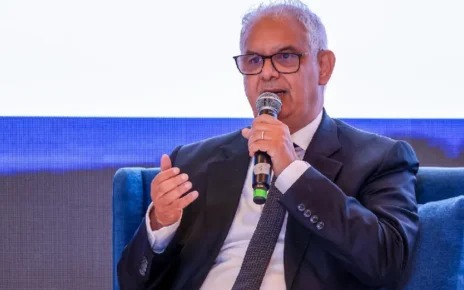
The Gabonese government has officially unveiled its Energy Plan 2026-2035 at the African Energy Forum in Cape Town, positioning Libreville as a key player in Africa’s energy transition. Led by Water and Energy Minister Philippe Tonangoye, the delegation outlined the country’s strategic priorities to an audience of over 45 nations, international financial institutions, and leading energy sector operators. The primary goal? To secure a share of the continent’s growing energy investment landscape while reinforcing Gabon’s energy sovereignty.
Decade-long roadmap to bridge Gabon’s energy gap
This ambitious 10-year strategy aims to overhaul the national energy mix, which currently relies heavily on hydroelectric and thermal power. Authorities are prioritizing diversification while accelerating universal electricity access—especially in remote rural areas where connectivity rates lag far behind urban centers. The plan doesn’t just focus on production; it includes modernizing an aging transmission and distribution network notorious for inefficiencies and technical losses.
Three core pillars underpin the strategy: scaling up installed capacity, upgrading critical infrastructure, and deploying decentralized solutions for off-grid communities. This integrated approach is designed to make universal access a realistic milestone—one already enshrined as a national priority. However, execution will demand overcoming significant financial and technical hurdles, particularly in regions where infrastructure is either outdated or nonexistent.
Cape Town forum: Gabon’s strategic pitch for funding
The African Energy Forum in Cape Town wasn’t chosen by chance. The event annually gathers top-tier public decision-makers, multilateral lenders, and private investors shaping Africa’s energy future. For Gabon—a country with constrained fiscal space and closely monitored debt levels—mobilizing concessional financing and private capital is essential to turning this decade-long vision into reality.
Minister Tonangoye highlighted fresh investment opportunities spanning renewable energy and transitional thermal segments. While hydroelectric potential remains largely untapped—estimated in the gigawatt range—solar energy shows strong promise in specific regions. Additionally, natural gas is gaining traction as a transitional fuel, with authorities advocating for its local valorization in electricity generation.
Institutional investors and infrastructure funds present at the forum provide Libreville with a direct channel to initiate bilateral negotiations. Yet, the real test lies in transforming this plan into bankable projects. Investors typically seek stable regulatory frameworks, competitive bidding processes, and transparent pricing structures before committing to long-term ventures.
Energy sovereignty: balancing growth with climate commitments
The 2026-2035 plan aligns with a broader push for economic sovereignty under the current transition government. Reliable electricity access is fundamental to upgrading local industrial value chains—particularly in timber, mining, and hydrocarbon processing. Achieving global competitiveness in these sectors hinges on consistent, cost-effective energy supplies.
A critical balancing act emerges: expanding thermal capacity for rapid deployment while accelerating renewable energy adoption to meet climate targets. Gabon has positioned itself as a leader in forest conservation, making this dual approach a defining challenge for the next decade. The Cape Town forum served as a platform to publicly debate these trade-offs and gauge investor appetite for Gabon’s energy market.