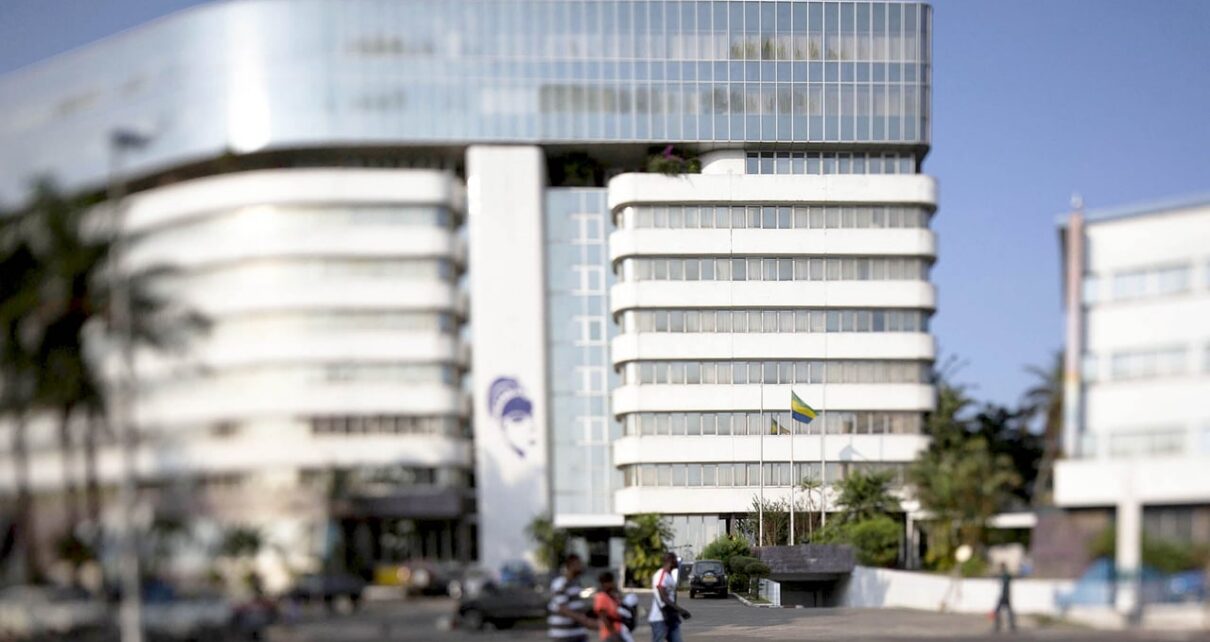

The restructuring of Gabon’s Société d’Énergie et d’Eau du Gabon (SEEG) into two distinct entities marks a critical shift in the country’s energy landscape. Yet, despite this division, the core challenges facing Libreville’s power and water supply remain unresolved. Officials confirm the split aims to enhance efficiency, but citizens continue to grapple with persistent service disruptions and aging infrastructure.
why the seeg split was deemed necessary
Government documents reveal the decision stems from a need to streamline operations and attract private investment into Gabon’s energy sector. By separating responsibilities, authorities hope to improve accountability and accelerate modernization projects. However, skepticism lingers among analysts who question whether structural changes alone can resolve long-standing inefficiencies.
the lingering energy crisis in Gabon
The division of SEEG has yet to alleviate the daily struggles of residents in Libreville and surrounding areas. Frequent blackouts and inconsistent water supply continue to disrupt daily life, particularly in high-density neighborhoods. Energy experts point to over-reliance on outdated thermal plants and insufficient renewable energy integration as key obstacles to reliable service.
Industry insiders argue that without substantial upgrades to transmission networks and grid stability, the structural changes may prove insufficient. The government’s ambitious plans to expand solar and hydroelectric capacity face delays due to funding constraints and bureaucratic hurdles.
public reaction to the seeg restructuring
Residents express mixed feelings about the SEEG split. While some welcome the potential for improved service quality, others remain cautious, citing past unfulfilled promises. Community leaders emphasize the urgency of tangible improvements, warning that without visible progress, public trust in energy sector reforms could erode further.
what’s next for Gabon’s energy sector
Officials have outlined a multi-phase roadmap to address Gabon’s energy challenges. Upcoming initiatives include tendering for new independent power producers and launching pilot programs for off-grid solar solutions in rural areas. The success of these measures will depend on transparent implementation and sustained investment.
As Libreville moves forward, the true test will be whether the SEEG split translates into measurable improvements for citizens. For now, the energy crisis persists, underscoring the need for bold and decisive action.

Related Articles