A horrific collision in Niger’s Maradi region on August 7, 2026, involving two major transport companies, STM and SONITRAV, left a devastating toll: 22 fatalities and 37 injured, with twisted metal wreckage scattered across the scene. In the wake of widespread public grief and outrage, the Ministry of Transport swiftly announced the threat of “severe sanctions,” potentially including the revocation of operating licenses. However, this display of political resolve appears to be a reactive measure, merely scratching the surface of deeper, systemic failures. It sidesteps critical issues such as the laxity of public oversight, the problematic economic models of transport operators, and the deteriorating state of infrastructure across Niger.
Punishing to mask state deficiencies
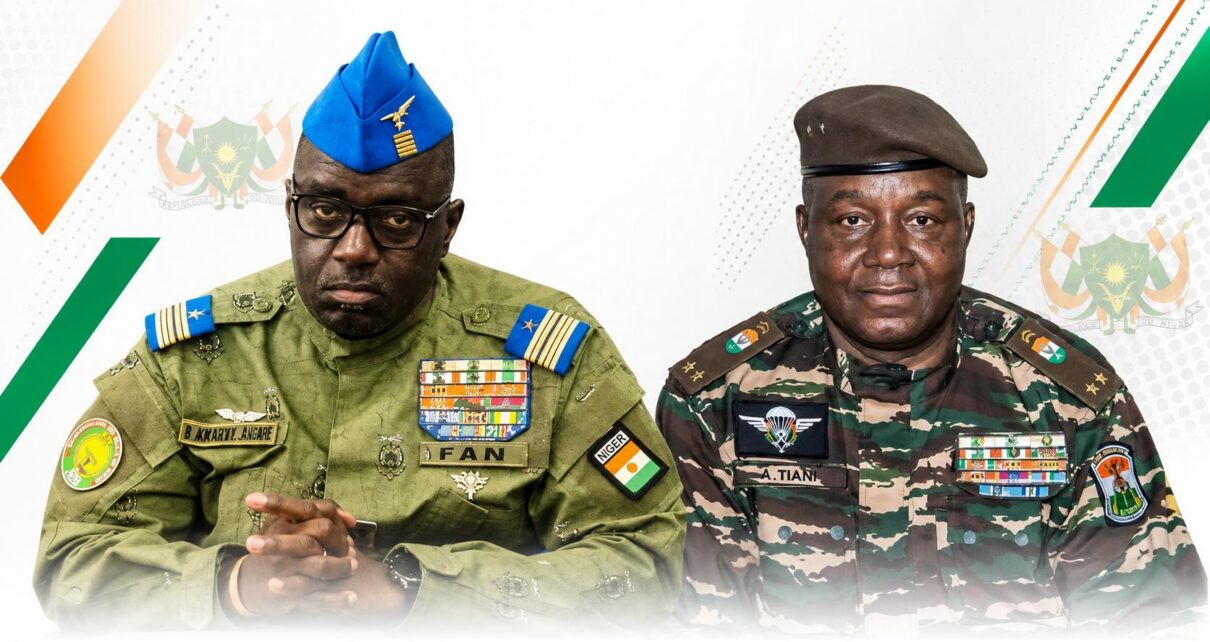
The emergency meeting convened on August 10 by Colonel-Major Abdouramane Amadou, the Minister of Transport and Civil Aviation, followed a familiar political script. It involved a forceful assertion of authority, the presentation of accident footage, and the promise of disciplinary action. While the administrative accountability of the involved companies certainly warrants investigation, the threat of license suspension or withdrawal largely serves as a public relations tactic, aimed at quelling public anger.
- A purely reactive response: Why did authorities wait for a catastrophe claiming 22 lives before scrutinizing the operational practices of STM and SONITRAV? Acting solely through retrospective punishment reveals a profound absence of proactive prevention strategies.
- The ambiguous role of regulatory bodies: Representatives from the Nigerien Road Safety Agency (ANISER) and the National Gendarmerie were present at the minister’s table. Yet, one must question what tangible resources these institutions deploy daily to intercept defective vehicles or penalize speeding before such tragedies occur. This highlights a critical gap in on-the-ground enforcement and preventative measures for road safety in Niger.
The “human factor”: A convenient excuse overlooking profit-driven risks
In its official statements, the government frequently attributes such incidents to “human behavior” behind the wheel, citing excessive speed and reckless overtaking. This perspective often overlooks that a driver’s conduct is a direct consequence of the economic pressures imposed by their employers. The relentless schedules and rotations, driven by the pursuit of maximum profit, lead to extreme fatigue and dangerous micro-sleep episodes for drivers. Furthermore, remuneration structures tied to the number of trips or mileage often incentivize drivers to speed, pushing them to maximize their earnings at the expense of safety. Compounding this, cost-cutting measures by companies frequently compromise vehicle maintenance, leading to substandard tires, faulty brakes, and neglected regular fleet servicing.
The recurring involvement of SONITRAV, which was previously implicated in another fatal collision near Tabalak on February 24, 2026, resulting in three deaths, clearly indicates that the problem extends far beyond individual driver error. It points to an inherent operational model within these companies that tolerates risk in the name of profitability. This pattern raises serious questions for any Sahel analysis examining transport safety.
Inadequate infrastructure and deficient emergency response
Blaming drivers and threatening company owners also serves to deflect public authorities’ responsibility for territorial planning and emergency management:
- Absence of separated lanes: On major interurban corridors, such as the Maradi axis, buses weighing over 10 tons often travel at speeds exceeding 90 km/h on narrow roadways. The slightest misjudgment instantly escalates into a deadly head-on collision.
- The weak link in emergency care: How many injured individuals succumb on the asphalt due to a lack of rapid disentanglement tools and swift medical evacuation in rural areas? Urgent medical response remains a severely neglected aspect of public policy in Niger. This is a critical issue for West Africa insider news to highlight.
Moving beyond administrative posturing
Revoking the licenses of STM or SONITRAV might create the illusion of a strong state. In reality, shutting down companies without fundamentally reforming the rules of engagement will resolve nothing. Other operators will simply take over these routes, employing the same methods on the same roads, inevitably generating similar tragedies. A comprehensive approach to road safety in Niger, addressing regulatory oversight, company practices, and infrastructure, is essential for lasting change.