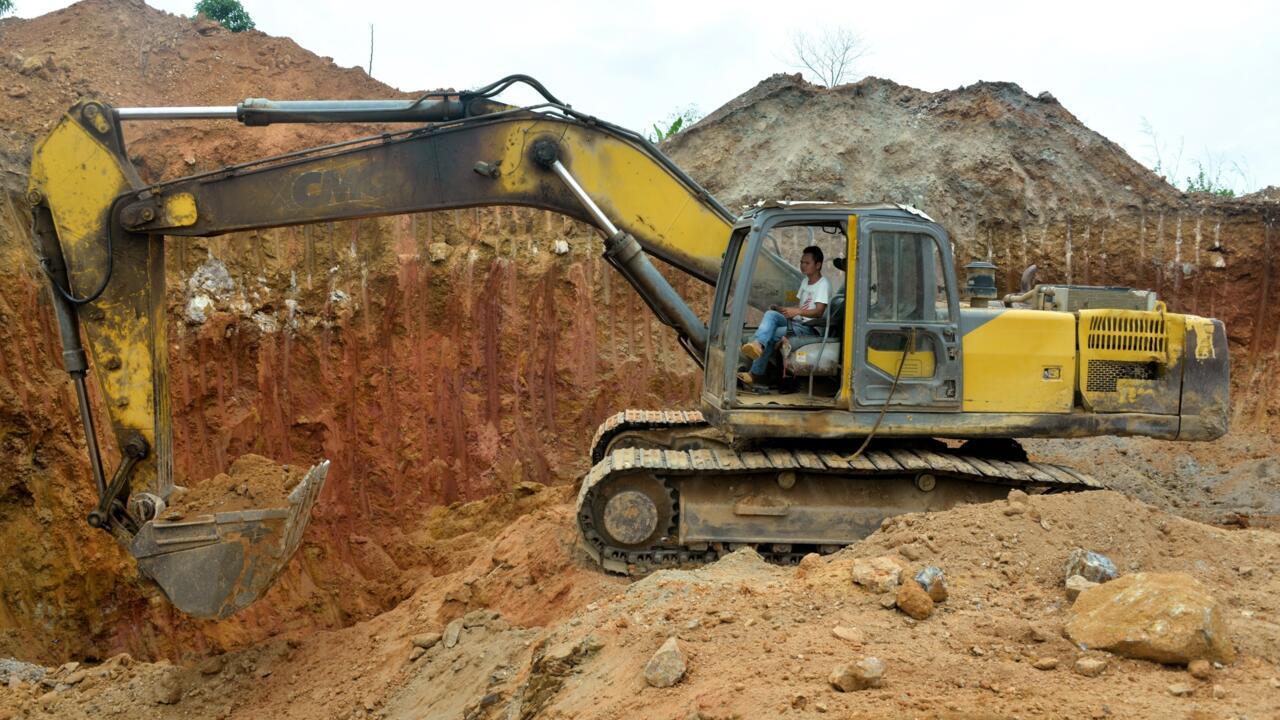
In Cameroon and the Democratic Republic of Congo, the gold mining sector faces persistent challenges despite ongoing reforms. A recent study by the Institute for Security Studies (ISS) reveals that revenue collection remains alarmingly low, with discrepancies between official exports and actual production figures. While the Extractive Industries Transparency Initiative (EITI) reports minimal gold exports from Cameroon, import records from trading partners suggest a far larger volume of gold leaving the country.
where the money is going
According to the EITI, Cameroon declared only 22 kilograms of gold exported in 2023. However, import data from major trading hubs indicates purchases totaling 15 metric tons—a staggering disparity that raises serious questions about accountability in the gold supply chain.
call for stricter oversight
Professor Aïcha Pemboura, a researcher at the Observatoire du crime organisé et de la violence en Afrique centrale, highlights the urgent need for both national and international operators to be held accountable. During a recent interview, she emphasized that weak regulatory frameworks allow illicit financial flows to thrive, depriving local economies of critical revenue.
«The lack of transparency not only undermines state budgets but also fuels corruption and criminal networks,» Pemboura stated. «Governments must enforce stricter monitoring of mining activities to ensure profits benefit the public rather than private interests.»
the role of governance in mining
While Cameroon and the DRC have taken steps to improve oversight, enforcement remains inconsistent. Industry experts argue that stronger legal frameworks, independent audits, and public disclosure of mining contracts could help close the revenue gap. The findings underscore a broader regional issue—how resource-rich African nations can maximize benefits from their mineral wealth while preventing exploitation.
what’s next for gold transparency?
Reforms in both countries are underway, but their effectiveness hinges on political will and international cooperation. Civil society groups continue to push for reforms, demanding that mining operators—regardless of nationality—comply with transparency standards.
The stakes are high: without meaningful change, millions in potential revenue will continue to vanish into opaque channels, leaving communities and national budgets deprived of essential funds.