
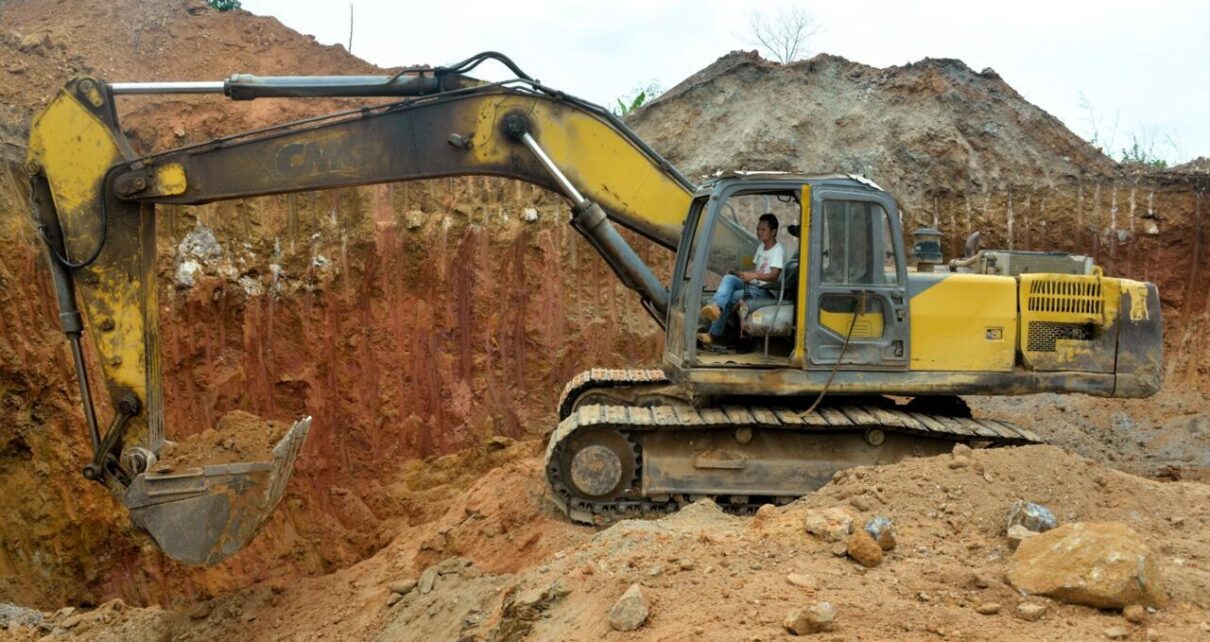
The gold industry in Central Africa is struggling to maintain transparency, with both national and international operators failing to account for their revenues properly. Recent assessments reveal widening gaps between declared exports and actual trade flows in key producing nations.
declining state revenues despite mining booms
Cameroon and the Democratic Republic of Congo (DRC) have seen gold production surge, yet the funds generated rarely reach state coffers as expected. According to the latest reports from the Institute for Security Studies (ISS), oversight mechanisms remain weak, allowing significant revenue losses. A striking example emerged in 2023, when Cameroon officially reported just 22 kilograms of gold exports, while importers claimed to have purchased over 15 tons—a discrepancy that raises serious questions about accountability in the sector.
experts call for stricter oversight
In response to these findings, Professor Aïcha Pemboura, a researcher at the ISS’s Observatory on Organized Crime and Violence in Central Africa, emphasizes the urgent need for regulatory reforms. She argues that both domestic and foreign operators must comply with transparency standards set by the Extractive Industries Transparency Initiative (EITI). During a recent discussion, she highlighted the importance of aligning local policies with international best practices to ensure fair revenue distribution.
mining operations: profits vs. public benefit
While mining companies—many of them foreign—continue to extract gold at record levels, local communities often see little benefit. The lack of clear accounting makes it difficult to track whether taxes and royalties are being paid in full. Professor Pemboura points out that without stricter enforcement, the sector will remain vulnerable to exploitation, with profits leaving the region while environmental and social costs remain unaddressed.
key challenges in the gold sector
- Revenue gaps: Significant differences between declared exports and actual trade volumes.
- Weak oversight: Regulatory bodies struggle to enforce transparency and accountability.
- Community impact: Local populations rarely benefit from mining profits despite environmental and social disruptions.
- International standards: Failure to fully implement EITI guidelines leaves room for corruption.
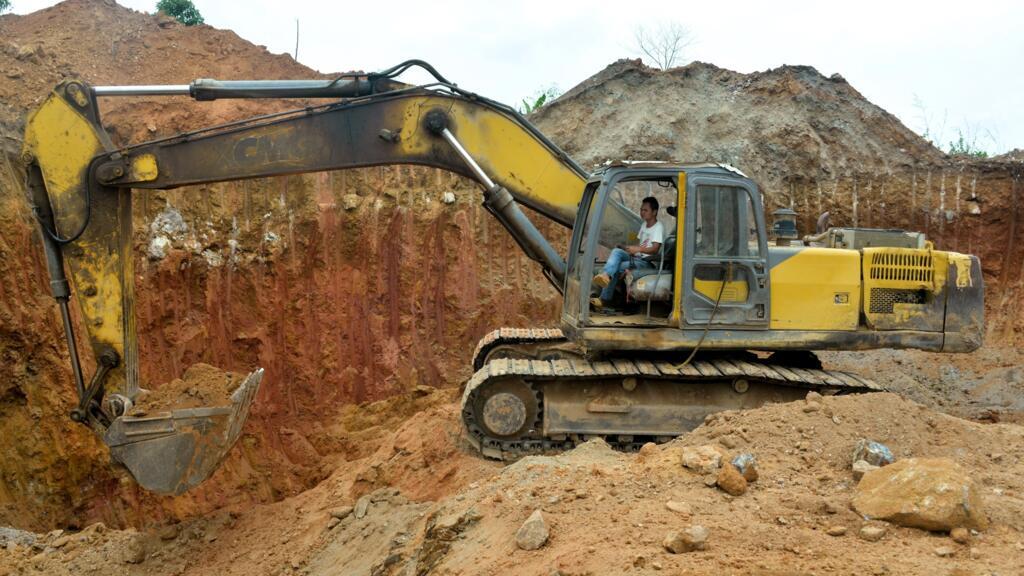
The way forward requires stronger collaboration between governments, mining companies, and civil society to ensure that gold mining contributes to sustainable development rather than lining the pockets of a few. Without decisive action, the sector’s potential to drive economic growth in Central Africa will remain unfulfilled.