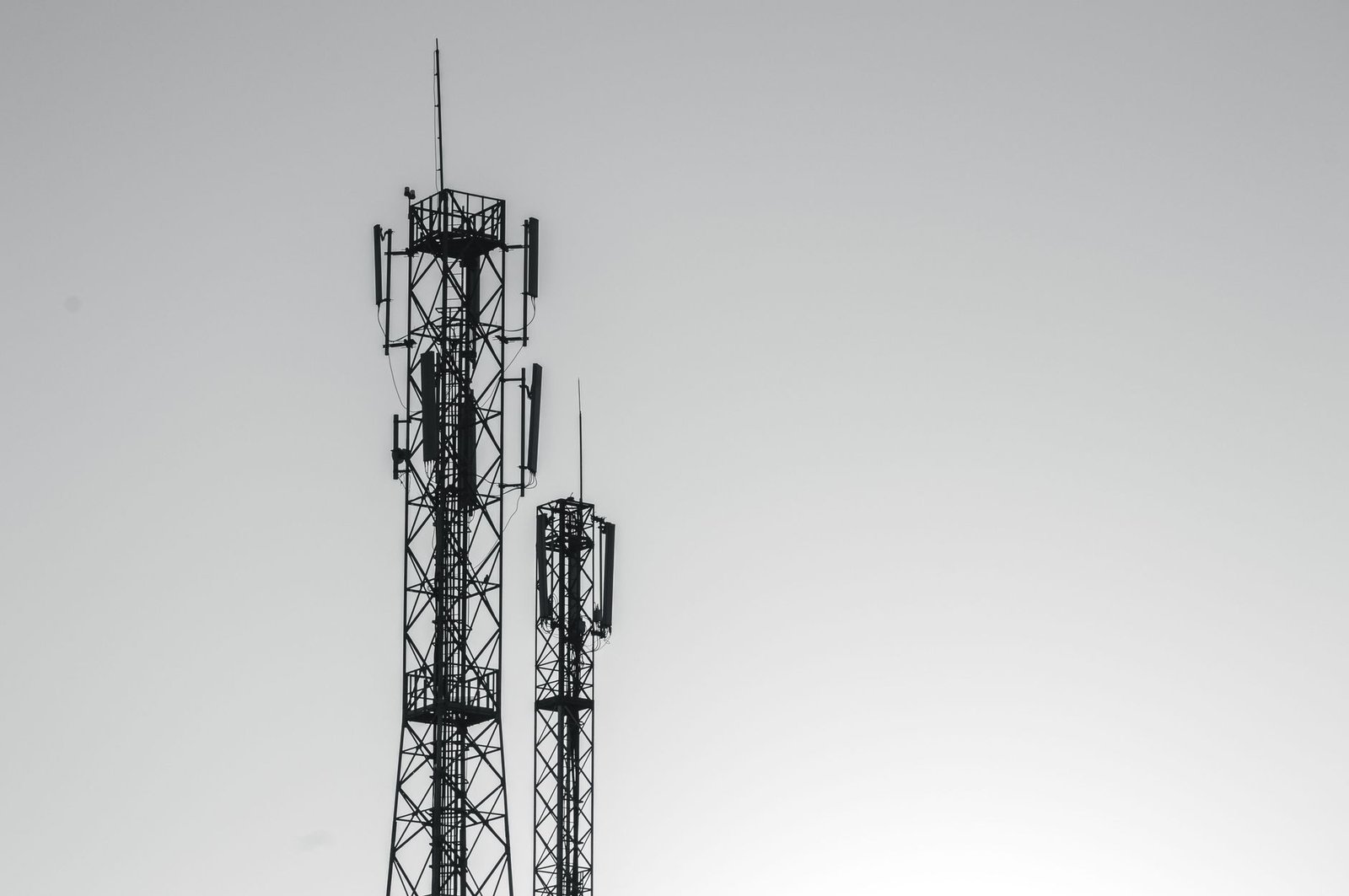
The British telecom infrastructure giant Helios Towers has secured a landmark deal to invest $150 million in Senegal’s telecommunications sector, following a high-profile meeting with President Bassirou Diomaye Faye in Dakar. This strategic injection aims to reinforce the company’s footprint in a rapidly evolving market where robust mobile network infrastructure is now the backbone of digital economic expansion.
Driving mobile network densification with bold investment
As a leading provider of passive telecom infrastructure—specializing in the development, acquisition, and operation of telecom towers—Helios Towers supports major operators such as Orange, Free, and Expresso in deploying 2G, 3G, 4G, and 5G networks. The $150 million commitment underscores renewed confidence in Senegal’s economic trajectory, especially as the new administration prioritizes digital sovereignty and infrastructure modernization.
The funds will be allocated to expanding the company’s tower network, upgrading existing sites, and enhancing energy resilience—often through hybrid solutions combining grid power and solar energy. By centralizing passive infrastructure management, mobile operators can redirect capital toward service innovation and broader coverage, while reducing redundant site deployments and lowering the sector’s carbon footprint. This model has already proven successful across multiple African markets.
Senegal’s digital push hinges on infrastructure upgrades
The presidential meeting comes at a pivotal moment for Senegal’s digital strategy. Since taking office in April 2024, the Faye administration has positioned the digital economy as a cornerstone of national transformation, anchored by the New Technological Deal and a drive to attract foreign investment in critical infrastructure. Recent 5G license awards to Sonatel and Free have raised performance and coverage expectations nationwide.
Helios Towers’ investment aligns with these public initiatives, addressing a key bottleneck: without reliable, high-density tower networks, the full potential of 5G rollout—especially beyond urban hubs—remains unrealized. The government also anticipates broader economic benefits, including job creation in skilled sectors, increased tax revenues, and knowledge transfer to local engineering and maintenance firms.
However, the British group operates in a fiercely competitive landscape dominated by global players such as IHS Towers, ATC Africa, and South Africa’s Vulatel. Senegal, though a mid-sized market, boasts a strong regulatory framework and is viewed by Helios as a strategic showcase to bolster its credibility with institutional investors across West Africa.
A strategic vote of confidence for Senegal’s investment climate
Beyond its industrial implications, the announcement carries significant diplomatic and financial weight. It arrives at a time when Dakar is working to restore investor confidence following contract renegotiations and the publication of a critical public finance audit. A major commitment from a London-listed British firm sends a clear signal that Senegal remains an attractive destination for large-scale foreign investment, despite recent turbulence.
The Telecommunications and Postal Regulation Authority (ARTP) now faces the task of ensuring these infrastructure upgrades translate into tangible benefits for consumers—improved coverage, competitive pricing, and fair site-sharing policies among operators. Energy resilience and equitable access to shared infrastructure are expected to top the regulator’s agenda in the coming months.
While the exact deployment timeline for the $150 million remains undisclosed, the breakdown between new tower construction, potential acquisitions, and upgrades to existing sites will shape the project’s long-term impact. Once formalized, the agreement is set to reveal deeper insights into Helios Towers’ strategic ambitions in Senegal and its projected return on investment.