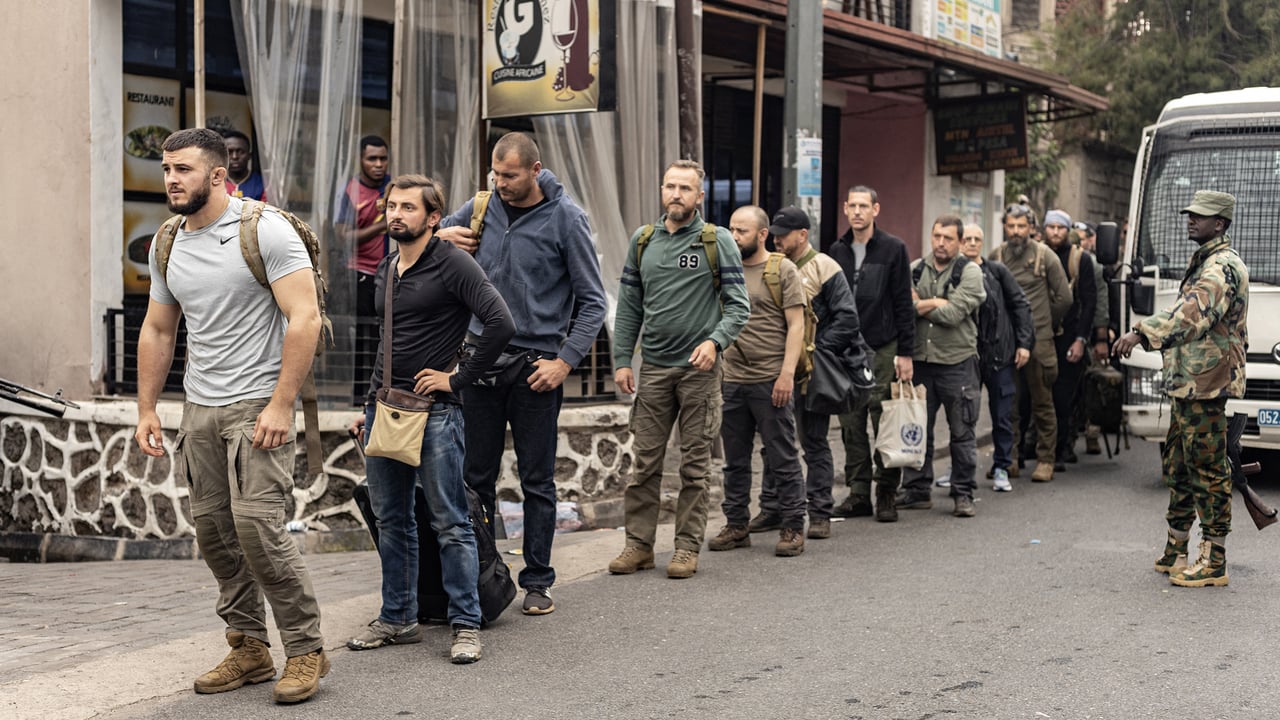
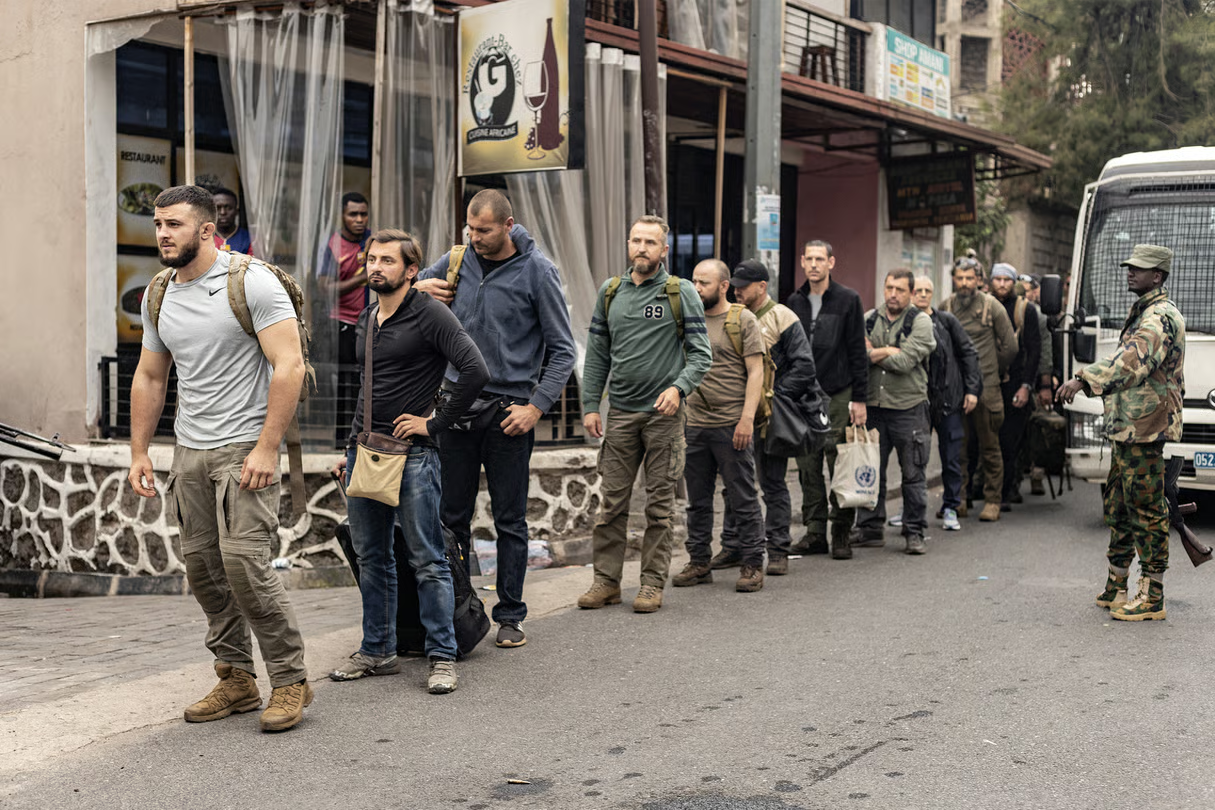
As the M23 rebel coalition advanced toward Goma, the capital of North Kivu province, in early 2025, Congolese authorities in Kinshasa scrambled to secure the city’s defenses. A last-ditch military coalition involving local and international allies was hastily assembled to prevent the rebel group from overrunning the strategic urban hub.
The revelation emerged from a groundbreaking investigation titled “Violence for Sale”, conducted by the Global Initiative Against Transnational Organized Crime. The report sheds light on the shifting dynamics of the conflict, particularly Kinshasa’s controversial decision to outsource critical military operations to foreign forces.
Kinshasa’s desperate gamble: outsourcing war to foreign fighters
With the M23 rebels closing in on Goma in January 2025, the Congolese government faced a critical juncture. Rather than relying solely on its own forces—described in the report as stretched thin and inadequately equipped—the administration of President Félix Tshisekedi turned to an unconventional strategy. International mercenaries, including troops from Eastern Europe, were reportedly deployed to bolster the government’s defenses. The move marked a dramatic escalation in the conflict’s internationalization.
The investigation details how Kinshasa’s reliance on foreign fighters, particularly Romanian troops, raised serious questions about accountability and the long-term implications for regional stability. While the government framed the deployment as a necessary measure to protect civilians, critics argue the strategy could inflame tensions and undermine trust in Congolese institutions.
Controversy over foreign intervention in Congo’s conflict
The use of foreign mercenaries in the DRC has long been a contentious issue. The “Violence for Sale” report highlights several key concerns:
- Lack of transparency: The exact terms of the foreign deployments remain shrouded in secrecy, fueling speculation about hidden agendas and financial arrangements.
- Legal and ethical dilemmas: The deployment of foreign troops raises questions about compliance with international law and the Congolese constitution, which restricts foreign military intervention.
- Risk of escalation: Critics warn that outsourcing the fight to foreign fighters could provoke retaliation from neighboring countries or further destabilize the already volatile Great Lakes region.
Analysts also point to the broader geopolitical implications. The involvement of Eastern European units, in particular, suggests shifting alliances and a potential realignment in the regional power struggle. Some observers interpret the move as a signal of Kinshasa’s growing desperation and its willingness to bypass traditional diplomatic channels.
What’s next for the DRC’s conflict?
The deployment of foreign fighters has intensified the debate over the DRC’s military strategy. While the government insists the measure was essential to prevent a humanitarian catastrophe, the long-term consequences remain uncertain. The report suggests that the outsourcing of military operations could set a dangerous precedent, undermining the sovereignty of Congolese institutions and complicating future peace efforts.
As the conflict in North Kivu continues to evolve, the role of foreign actors—whether mercenaries, peacekeepers, or regional powers—will remain a critical factor. The coming months will reveal whether Kinshasa’s gamble pays off or further destabilizes a region already grappling with decades of instability.