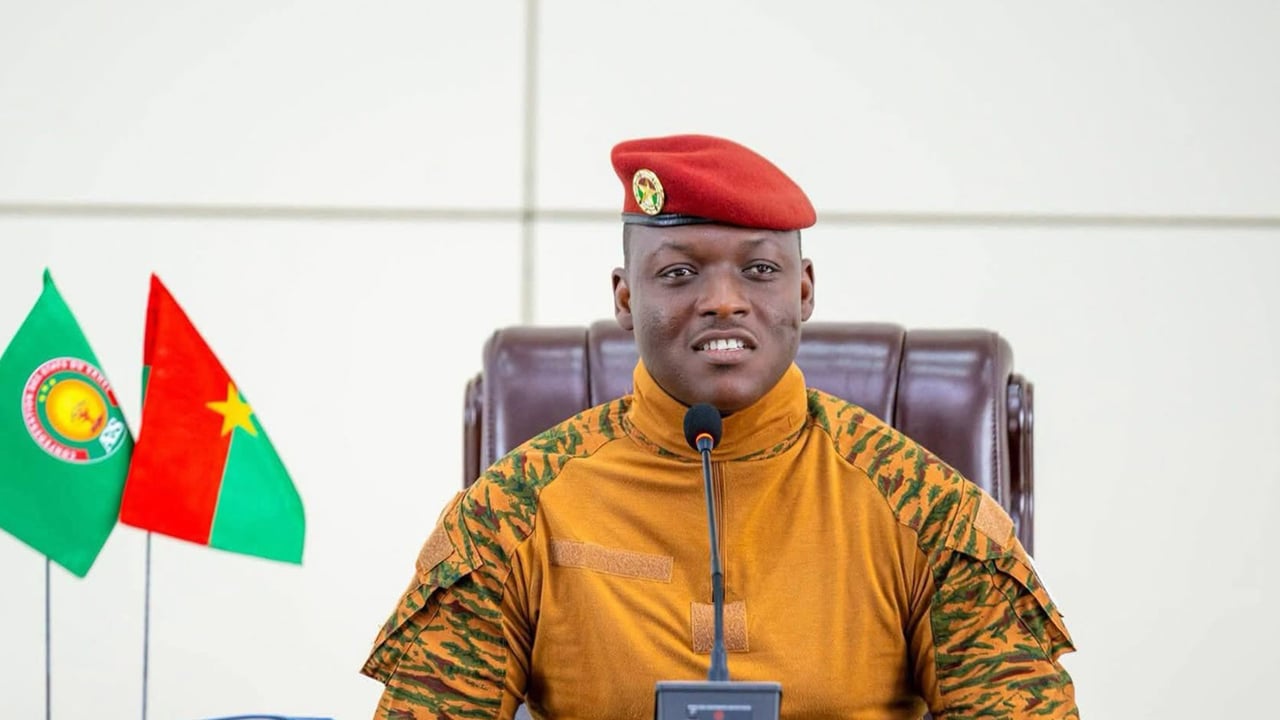
Burkina Faso’s military leader Ibrahim Traoré and France’s far-right figure Marine Le Pen are advancing remarkably similar political narratives, despite operating in vastly different contexts. This convergence reveals a shared rhetorical strategy that blends nationalism, sovereignty claims, and anti-establishment sentiment.
The sovereignty rhetoric of two political outsiders
Both figures position themselves as defenders of national identity against external interference. Traoré frames his governance as a break from neocolonial influence, while Le Pen casts herself as a protector of French sovereignty against supranational institutions. Their speeches echo with calls for national pride and resistance to perceived foreign domination.
Shared themes in their public addresses
- Emphasis on national sovereignty over international obligations
- Criticism of established political elites
- Appeals to a nostalgic vision of national greatness
- Rejection of external scrutiny of domestic policies
Divergent contexts, parallel methods
Traoré leads a transitional government in a country grappling with security crises and regional instability. Le Pen operates within a stable democratic framework, seeking electoral legitimacy. Yet both employ a similar playbook: direct communication with supporters, framing of critics as enemies of the people, and a willingness to challenge international norms.
This parallel raises questions about the broader appeal of nationalist populism across different political landscapes. While their circumstances differ, the underlying message resonates with constituencies feeling marginalized by globalization and traditional governance structures.