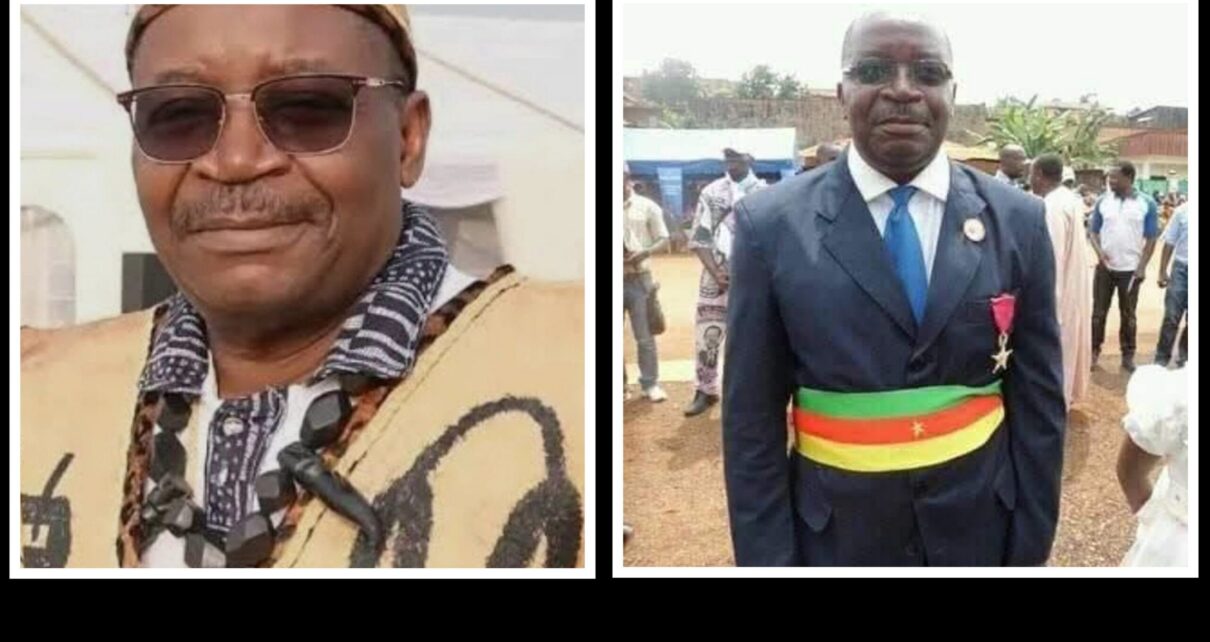
In the heart of Cameroon’s Western region, the story of Jacob Nguini stands as a powerful testament to national cohesion and political integration. As the fifth deputy mayor of Bafoussam 1er from 2013 to 2020, Nguini’s journey reflects the country’s commitment to transcending tribal divides and fostering unity.
From Abong-Mbang to Bafoussam: a journey of integration
Born in Abong-Mbang, in the Eastern region’s Haut-Nyong department, Jacob Nguini chose Bafoussam as his home and place of impact. His election as deputy mayor—supported overwhelmingly by the Bamiléké majority—demonstrates how merit and dedication can bridge cultural divides. Locals affectionately addressed him as “Monsieur le Maire,” a title that underscored his deep integration into the community.
Nguini’s story has become a reference point for analysts examining Cameroon’s political landscape. It highlights how “allogeneic” individuals—those born outside the region—can thrive and contribute meaningfully to local governance. His rise challenges narratives that often emphasize division, proving that shared vision and service can unite even the most diverse populations.
A career rooted in communication and regional development
Before his municipal role, Nguini graduated from the École Supérieure des Sciences et Techniques de l’Information et de la Communication (ESSTIC) in 1990. His expertise in communication later took him to the Conseil Régional de l’Ouest, where he served as Head of Communication. In this capacity, he continued to champion the development of the Western region, reinforcing his reputation as a unifying figure.
His background and achievements have made him a recurring example in discussions about Cameroon’s political and social fabric. Analysts often cite his case to argue that the country’s republican values—equality, meritocracy, and inclusivity—can and do prevail over ethnic or regional considerations.
Beyond politics: a family rooted in Bafoussam
Nguini’s commitment to integration extends to his personal life. He resides in Bafoussam with his family, where his children attend local schools. This choice of domicile and education reflects his belief in shared belonging and long-term community engagement. His political career, rooted in Bafoussam, is a natural extension of this personal commitment.
His story resonates with a key message: Cameroonians who live outside their region of origin have every right—and duty—to participate in the development of their adopted communities. This principle is not only a civic right but a foundational element of national unity.
A model for inclusive governance
Nguini’s legacy in Bafoussam 1er is more than a political success. It is a civic lesson in how leadership rooted in respect, service, and inclusivity can transform communities. His case continues to inspire those who believe that Cameroon’s strength lies in its diversity and shared identity.