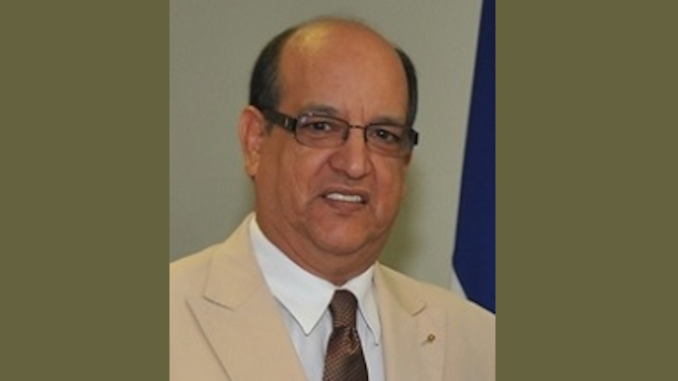
An extraordinary trove of confidential correspondence from Morocco’s embassy in Caracas has exposed a covert operation that reshaped the balance of power in one of Africa’s most enduring conflicts. Dated October 2008, these classified documents reveal how Rabat deployed a sophisticated infiltration strategy to weaken the Polisario Front and counter Algeria’s expanding influence across Central America — all through the intelligence provided by a high-ranking Sahrawi diplomat.
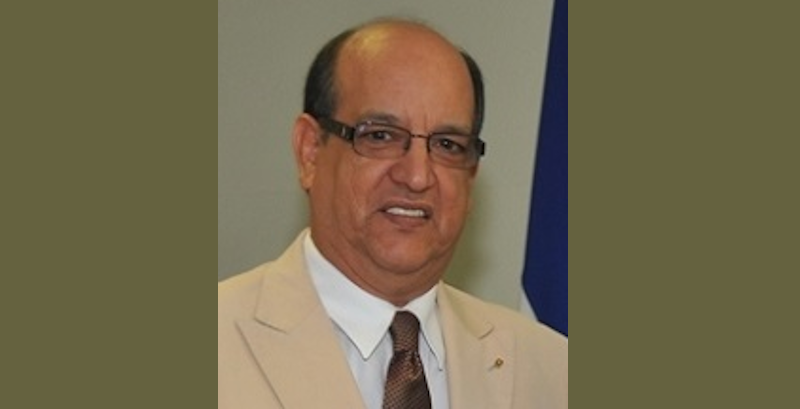
Sent directly to Yassine El Mansouri, then-director of Morocco’s external intelligence agency (DGED), the dispatches from Ambassador Dr Brahim Housseine Moussa paint a vivid picture of deep tribal fractures within the separatist movement and pivotal geopolitical shifts, particularly in Panama.
Tribal divisions fuel Morocco’s divide-and-rule strategy
The heart of this revelation lies in a rare opportunity: the potential defection of senior Polisario officials. According to the ambassador’s reports, a figure known only as “Mr. Sliman” — later revealed to be Salama Ould Hennane, a native of Dakhla from the Oulad Dlim tribe and former “ambassador” of the SADR to Panama and Central America — made repeated overtures to Moroccan diplomats.
Sliman’s assessment was damning: the Polisario was riven by “seething discontent” fueled by blatant favoritism toward the Rguibate tribe at the expense of other groups, including the Oulad Dlim, Oulad Tidrarine, Ait Lahcen, Ait Baamran, and the Takna confederation.
The defector argued that the moment was ripe for a decisive blow:
“This is the perfect window to strike inside the Polisario, weaken it further, and rally opponents around the Moroccan autonomy plan.”
He claimed to have secured backing from key figures within the SADR, including:
- Ahmed ould Souilem (Delegate Minister for Arab Affairs)
- Mahfoud Ould Ahmed Zine (Former Minister and Military Regional Commander)
- Mansour (Former Foreign Minister and Representative in Paris)
The proposed operation was bold: mobilize these leaders to form an official opposition bloc, publicly declare their dissent at an international press conference (likely in Madrid), and formally endorse Morocco’s Autonomy Initiative. Ambassador Moussa even recommended deploying Sliman as a “deep-cover infiltrator” to execute the destabilization plan.
A proxy battle in Central America: Algeria’s blank check
Beyond internal fractures, the documents unveil a fierce rivalry between Morocco and Algeria playing out across Latin America. In October 2008, Moroccan intelligence intercepted plans for a high-level Algerian delegation, led by Ambassador Mr. Baali in Washington, to embark on a tour of Central American capitals.
Algeria’s goal was clear: counter Morocco’s momentum at the United Nations by offering financial and economic incentives in exchange for diplomatic alignment with the Polisario’s separatist agenda. Meanwhile, the Polisario dispatched its envoy, Mohamed Yaslem Beissat, to Panama in a desperate bid to salvage its crumbling influence.
Panama emerges as the decisive battleground
The documents confirm a sharp deterioration in relations between Panama City and the Polisario. Panamanian authorities refused to accredit a new SADR ambassador, effectively downgrading the separatist mission to a mere “chargé d’affaires” — a symbolic yet potent snub.
Ambassador Moussa urgently flagged this development to Rabat, warning that Panama was awaiting a reciprocal gesture from Morocco. He urged the dispatch of a high-level emissary to formalize a thaw in bilateral ties and decisively block Algerian advances.
In a final lobbying maneuver, the Moroccan diplomat activated trusted contacts within Panama’s ruling circles to obstruct Polisario requests, issuing a veiled warning that any reversal of course “could jeopardize the Kingdom’s bilateral relations”.
Mohamed Abdelaziz’s high-stakes agenda uncovered
The precision of the intelligence gathered by the Caracas embassy is underscored by a document dated October 27, 2008, which meticulously outlines the travel schedule of Polisario leader Mohamed Abdelaziz: a November 4 meeting with UN Secretary-General Ban Ki-moon in New York, followed by a November 9 stop in Valencia, Spain, for the closing session of the European Conference in Support of the Sahrawi People (EUCOCO).
These classified diplomatic archives lay bare the raw realities of the Western Sahara conflict: a shadow war where North Africa and Latin America intersect, and where alliances are forged as much in the hushed corridors of embassies as on the battlefields of tribal loyalties.