
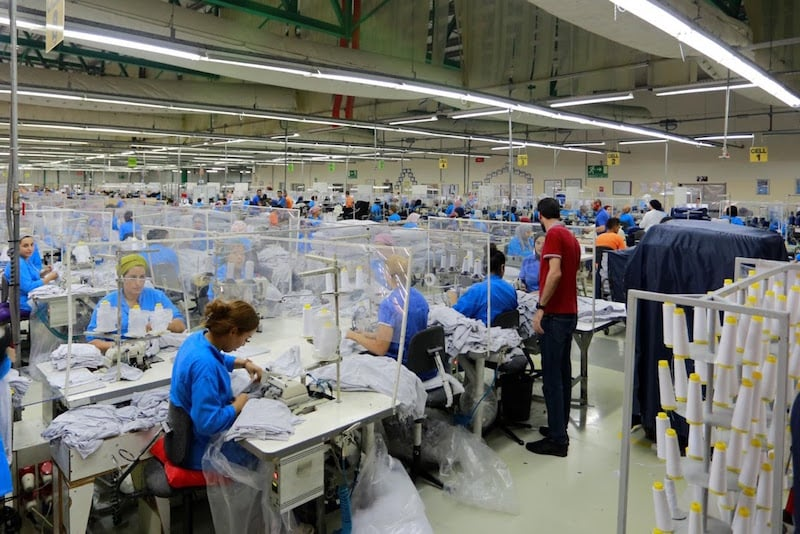
The textile circular economy in Morocco presents a lucrative opportunity, with potential private investments reaching $1.9 billion and the creation of over 30,000 jobs, according to findings from a comprehensive industry analysis. This shift is driven by the recycling of textile waste, a significant reduction in environmental impact, and Europe’s growing demand for responsibly sourced garments.
A pilot initiative, developed with specialized support, has already surpassed its initial targets by more than double. The program has processed 2,400 tonnes of textile waste for recycling, with 427 tonnes successfully transformed into new materials. These results underscore the industry’s transition from fragmented workshops and informal collectors to a more structured and value-driven supply chain.
By integrating recycled fibers, Morocco’s textile sector could achieve an 18% reduction in carbon emissions and a staggering 60% decrease in water consumption compared to traditional methods. These improvements align with the pressing demands of European buyers, local water scarcity challenges, and rising consumer expectations for transparency in garment composition.
European traceability and customs framework
The analysis highlights a significant social shift alongside economic benefits. Over 80% of textile waste collectors in Morocco currently operate informally, yet up to 75% of these workers could transition into formal employment within five years through targeted public policies. This shift would enhance declared incomes, social protection, and professional stability across the sector.
The study emphasizes Morocco’s strategic position to become a regional hub for sustainable textile manufacturing. Its proximity to Europe, established industrial expertise, and global demand for eco-friendly products position the country favorably. However, the report calls for key adjustments, including the formal recognition of textile waste as reusable materials, updates to customs regulations, and the implementation of traceability systems compliant with European Union standards.
For Morocco’s exporters, these adjustments are critical. The EU accounts for 93% of the country’s textile exports, and by 2027, European regulations will mandate a digital product passport. This system will require suppliers to attach a QR code or NFC chip to each garment, providing verifiable data on environmental impact, traceability, and material composition. Compliance with these requirements will be essential for accessing premium markets.