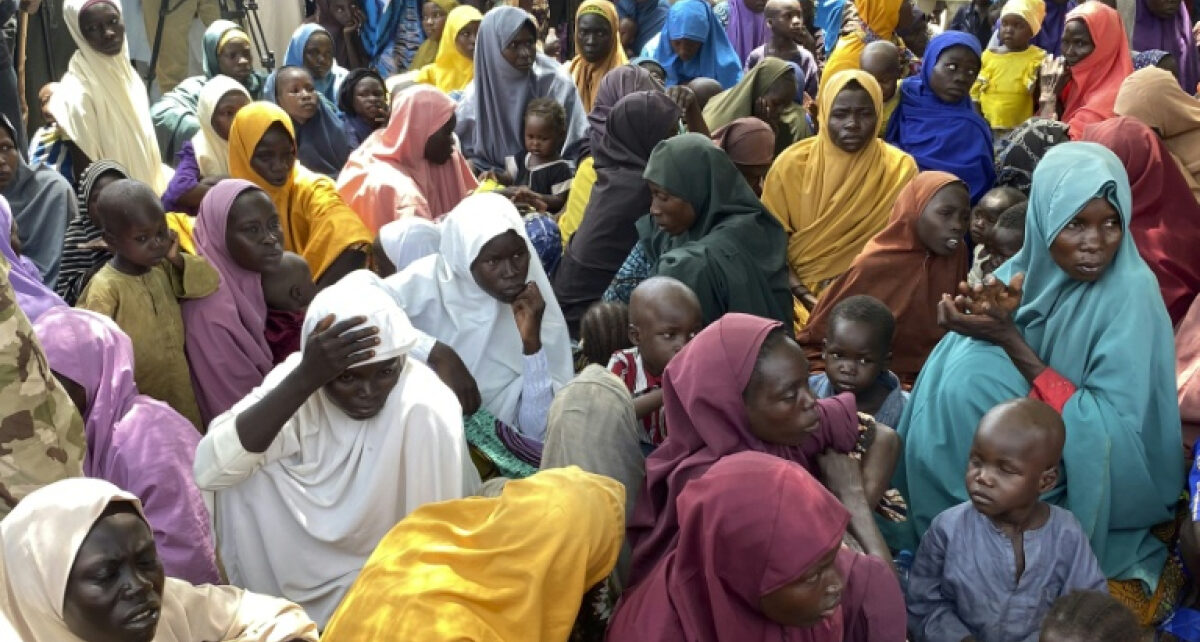
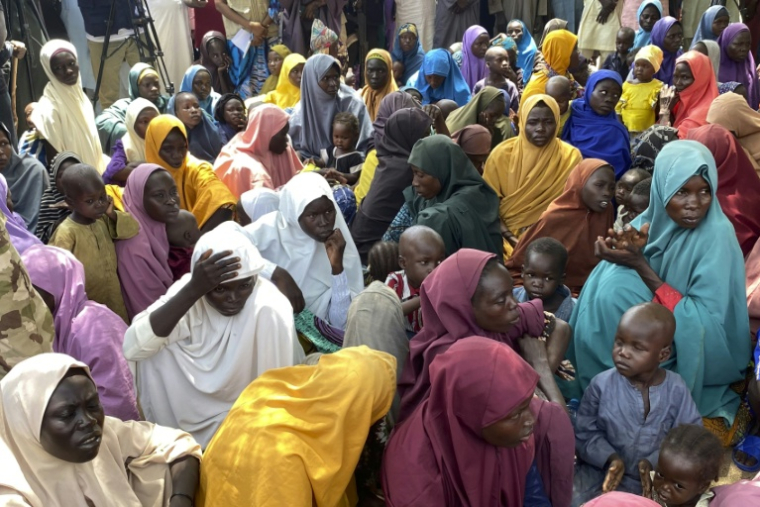
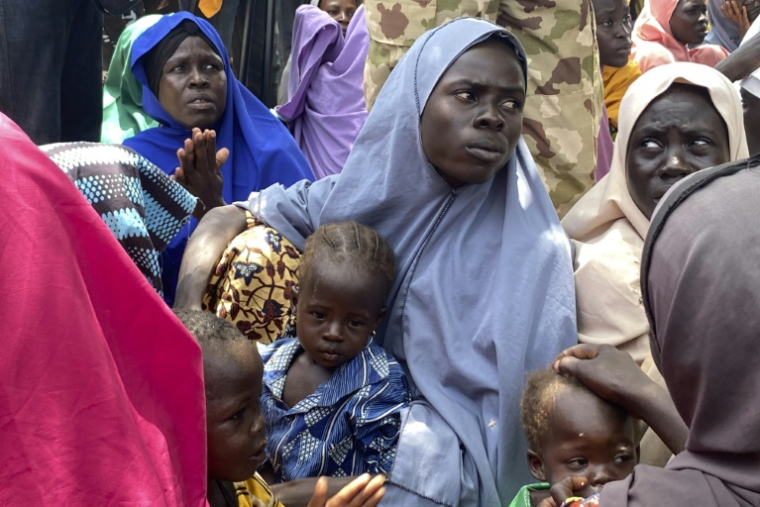
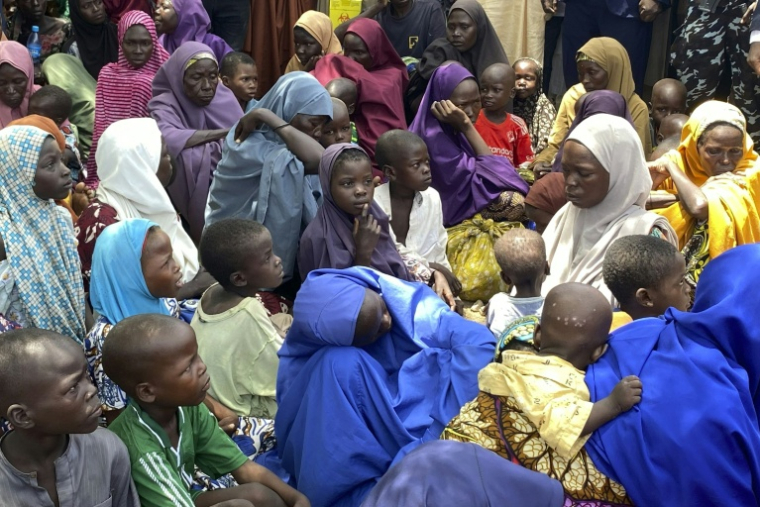
More than 400 women and children, previously held captive by Boko Haram jihadists, have been handed over to local authorities in Nigeria’s Borno State. The mass release follows a military operation conducted over the weekend, which secured their freedom through intelligence-led efforts.
decades of terror in the northeast
Since 2009, the insurgency led by Boko Haram and later its splinter faction, the Islamic State’s West Africa Province (ISWAP), has devastated Nigeria’s northeastern region. The conflict has claimed tens of thousands of lives and displaced millions, leaving communities in a state of constant fear.
Mass abductions, often involving ransom demands, have become a grim hallmark of the jihadist group’s operations. The latest rescue operation marks another step in the ongoing battle to dismantle Boko Haram’s strongholds.
the rescue operation and its impact
According to Borno State Governor Babagana Umara Zulum, approximately 360 individuals were freed during the weekend’s military operation. An additional 82 people had been released between two to three weeks prior, bringing the total number of rescued victims to around 434.
The freed captives were abducted from Ngoshe, a village less than 10 kilometers from the Cameroonian border, deep within the Gwoza hills—a region long plagued by Boko Haram’s brutal tactics. The area has endured repeated attacks, forcing many to flee to displacement camps like Pulka.
One of the released women, Hassana Buba, 43, expressed her relief at the news. Speaking from the Pulka displacement camp, she shared, “We are deeply grateful to Allah for this rescue. We celebrate this moment with joy and thanksgiving.”
controversy over ransom payments
While authorities deny paying ransoms for the release of captives, reports suggest such practices are not uncommon. Between July 2024 and June 2025, an estimated $1.66 million was paid to various armed groups in Nigeria—including jihadists, bandits, and separatists—according to a Lagos-based intelligence firm.