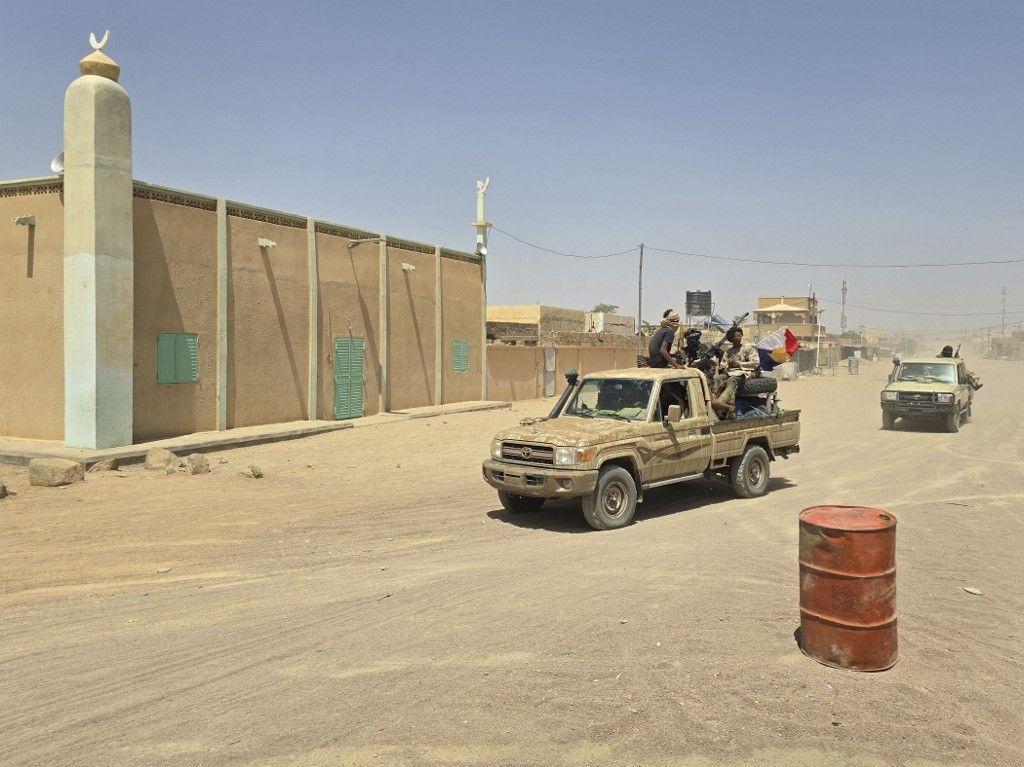
The Jama’at Nusrat al-Islam wal-Muslimin (Jnim) poses a direct threat to Bamako. As this Al-Qaïda-affiliated jihadist group closes in, the Malian capital is at risk of falling, paving the way for the group’s ambition to establish an Islamic emirate in the heart of the Sahel.

Positioned at the gates of Bamako, Jnim is on the verge of a significant victory. Should the capital fall, this militant organization, already recognized as the most formidable jihadist force in the Sahel, would gain control over a vast portion of Mali. With its allegiance to Al-Qaïda, Jnim currently spearheads the insurgency that is pushing back both government troops and Russian mercenaries, a key development in Sahel politics.
The official formation of Jnim occurred on March 2, 2017, through the merger of four pre-existing jihadist factions operating in the area. United under the Al-Qaïda banner, the group has since spread terror throughout the region. Its leadership was assumed by Iyad Ag Ghali, a former Tuareg rebel and diplomat, who became the emir of the newly formed entity. The group’s influence and power significantly increased following the withdrawal of French forces from Operation Barkhane.
Establishing an islamic emirate in the Sahel
The group’s core ideology is founded on a rigid interpretation of Islam. Its fighters are motivated by the goal of creating an Islamic emirate across the Sahel region, a critical piece of West Africa insider news for those following the conflict.
In a strategic move to prepare for larger-scale confrontations, Jnim imposed an economic blockade on several towns in September 2025. By late April, the group escalated its campaign by launching a coordinated offensive alongside Tuareg rebels against the ruling military junta in Mali. With a force estimated at around 5,000 fighters, Jnim has achieved multiple battlefield successes, bringing its forces to the very outskirts of Bamako today.