The economy of Mali has recorded its strongest growth since nearly a decade in 2025, but behind the progress of 4.9% GDP growth appears an important divergence: investment surged by 16.3%, while household consumption only rose by 1.2%.
According to the latest report on the economic situation in Mali published by the World Bank, the economy is largely driven by large investments, rather than daily expenses of households. This is one of the findings of the latest report on the economic situation in Mali published by the World Bank.
The Big Projects Drive Growth
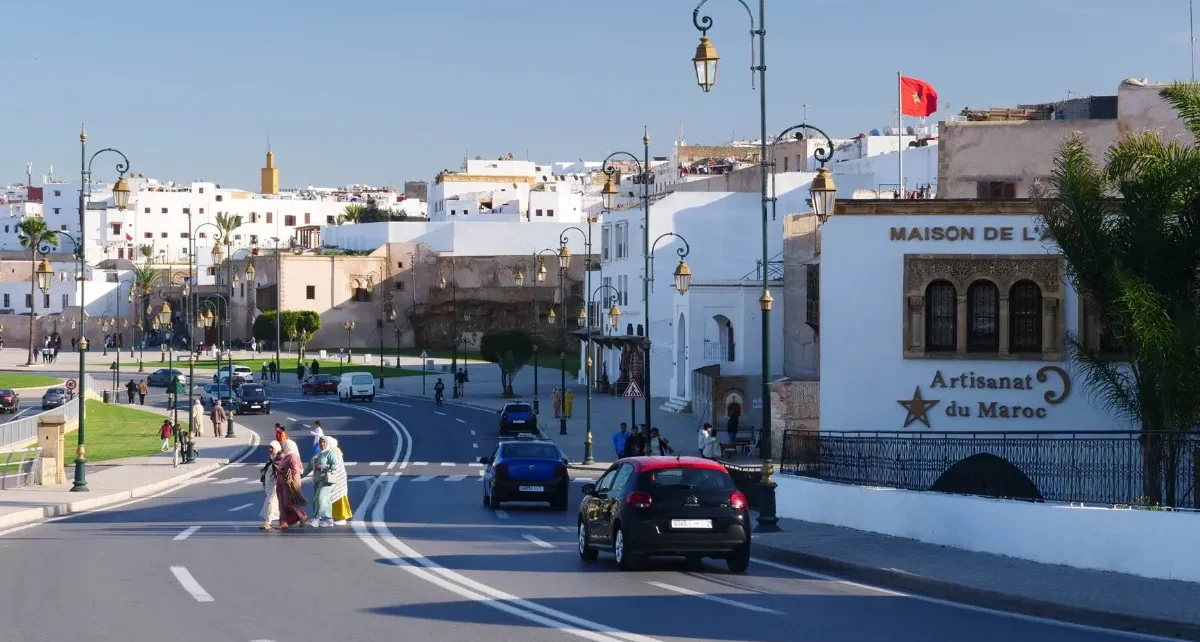
Investment grew by 16.3% in 2025, after a very high increase of 14% in 2024. This acceleration is mainly linked to large public infrastructure projects, particularly those included in the preparation for the 2030 World Cup.
The construction sector recorded a growth of 6.7%. The World Bank also notes a progressive recovery of private investments. Since the pandemic, investments and household consumption have consistently progressed more rapidly than nominal GDP.
On Bladi.net: Public Spending in Summer: How MREs Boost the Malian Economy
Public administration spending continued to rise by 5.1% in 2025. This increase is mainly due to an extension of social protection, salary raises and a strengthening of public services.
Households Fall Behind
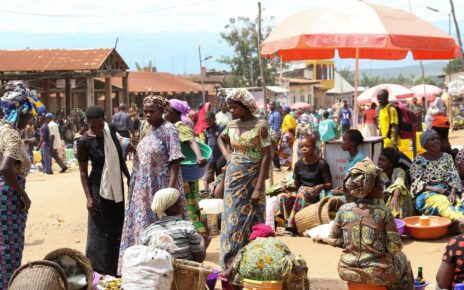
Household consumption follows a very different trajectory. Its growth had reached 4.7% in 2023, before slowing down to 3% in 2024 and only 1.2% in 2025.
Households did not reduce their expenses, but they rose much more slowly than investments and the entire economy. This slowdown occurs despite a drop in inflation to 0.8% in 2025 and a recovery of household confidence.
The situation reveals an economy still very dependent on public demand and large projects. The benefits of this dynamic have not yet translated into comparable growth in household consumption for Malian families.
A New Turning Point After Big Projects
The World Bank expects a gradual rebalancing. The current investment cycle should mature in the coming years, leaving more room for consumption and private sector growth.
On Bladi.net: Mali: Economy Thanks to Fields
Achieving lower inflation and improving real incomes could see household consumption grow by 4.8% by 2028. Until then, large projects will continue to drive the Malian economy much more rapidly than household budgets.