The crumbling myth of Russian security in Mali
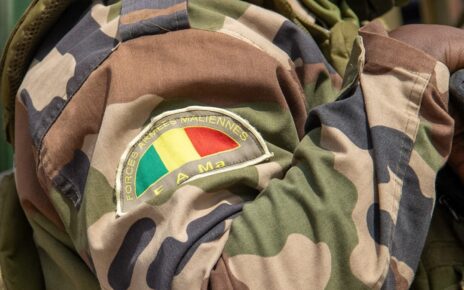
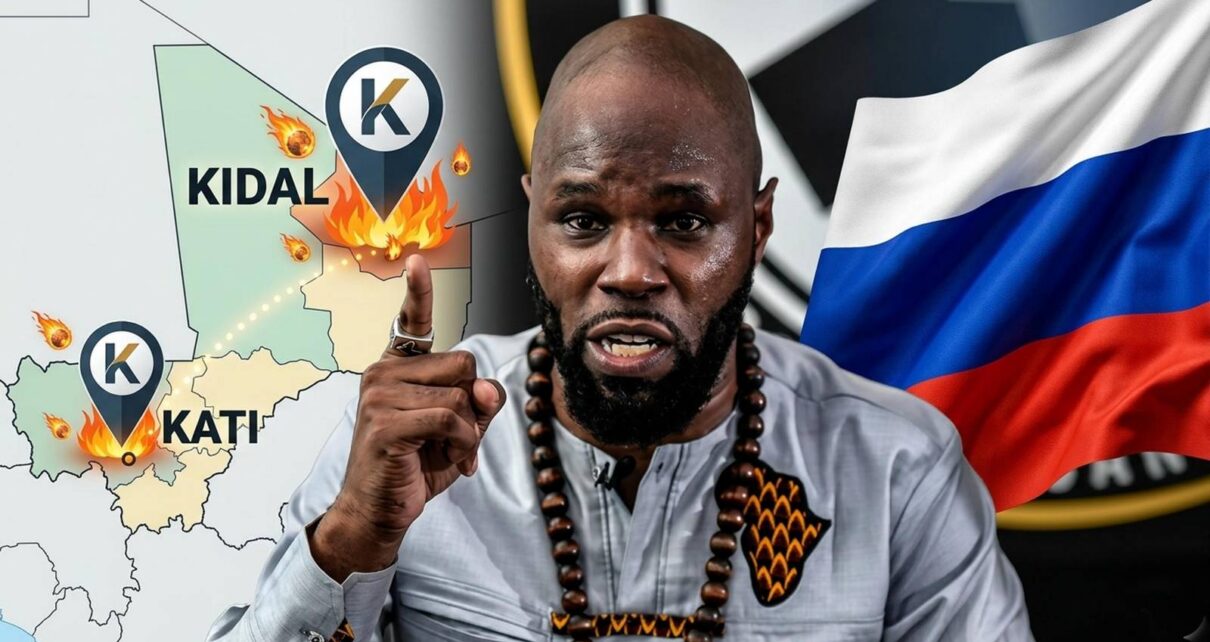
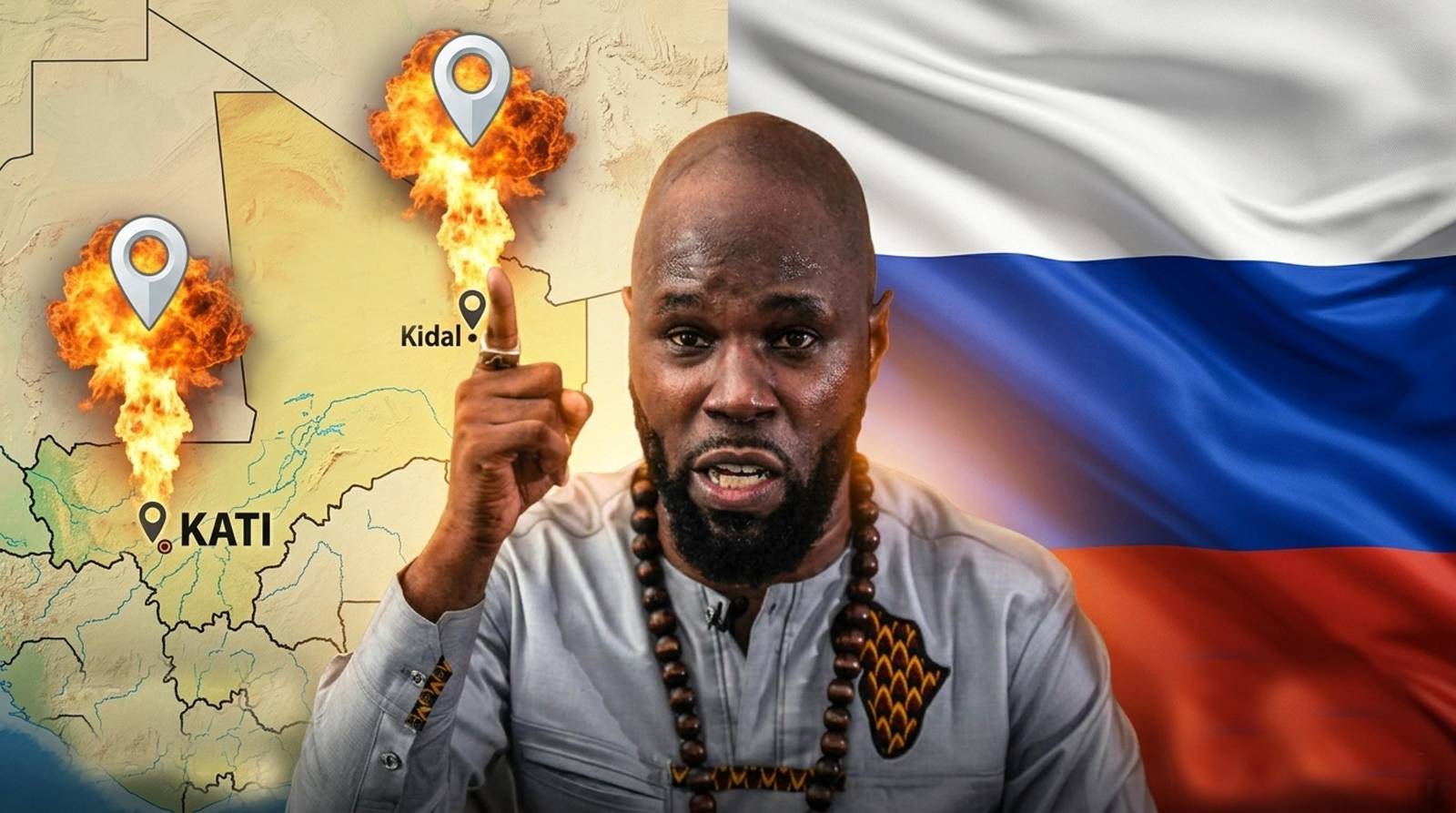
On Saturday, April 25, 2026, the dream of a “liberation from the East” vanished as Kati faced heavy shelling and Kidal descended into chaos. The reality on the ground is stark: the Africa Corps is showing its limitations, and the political narrative surrounding this partnership is disintegrating. At the center of this storm is Kemi Seba, whose public rhetoric is now clashing violently with private admissions about the nature of his allies.
In Bamako and the northern garrisons, the morning air was filled with explosions rather than the celebrations of sovereignty that were promised. The attacks on Kati, the strategic heart of military power, have forced a brutal realization: the alliance with Russia, once hailed as the ultimate solution against armed groups, is failing to deliver. Most notably, the very figureheads of this movement, led by Kemi Seba, appear to be seeking an exit strategy as the situation worsens.
The failure of ‘turnkey’ protection
For months, the narrative focused on how Russian “instructors” would eliminate security threats almost instantly. Instead, recent events show that insurgent attacks have become more sophisticated and coordinated. With armored vehicles destroyed and military camps under constant harassment, the promised stability remains out of reach. This military-first strategy with Moscow seems to have alienated many without securing any significant territory.
Seba’s private doubts about Moscow
The most revealing aspect of this crisis involves Kemi Seba. While the prominent pan-Africanist continues to project strength on social media, leaked audio recordings tell a different story. In these private messages, his tone is blunt and critical, describing the Russians as “opportunists of the worst kind.”
It appears Seba has finally recognized what many observers feared: Moscow‘s involvement is a purely transactional arrangement. In exchange for mercenaries and equipment, Russia is gaining control over Mali‘s gold mines. Seba’s own words suggest that if Russia behaves like a “new colonizer,” it will be rejected just as quickly as previous powers. This represents a significant admission of failure for someone who encouraged a whole generation to view the Slavic power as a savior.
The high cost of a broken strategy
While ideologues like Seba analyze the opportunistic nature of their partners, the burden falls on the local populations and soldiers. The “Russian solution” has transformed into a business model where actual security is frequently the missing component. The recent offensive proves that the current approach is fundamentally flawed.
By trading one foreign influence for another, leaders like Seba have changed the flags but not the daily reality of violence. Mali now finds itself in a corner: facing a Russian military that cannot perform miracles and opinion leaders who are already distancing themselves from the fallout. The awakening is painful, and the consequences for Bamako are likely to be severe.