As Malian transitional authorities placed their hopes on a strengthened military partnership with Moscow to bring peace to the nation, Mali’s pressing security challenges have notably deteriorated this April 25th. Between an evacuation agreement reportedly being negotiated with rebel factions in Kidal and an abrupt resurgence of hostilities in Kati, the very heart of the country’s power structure, the effectiveness of the “all-military” strategy, bolstered by Russian private military contractors, is now under intense scrutiny.
A Kidal accord: russian forces and rebel groups negotiate an urgent exit
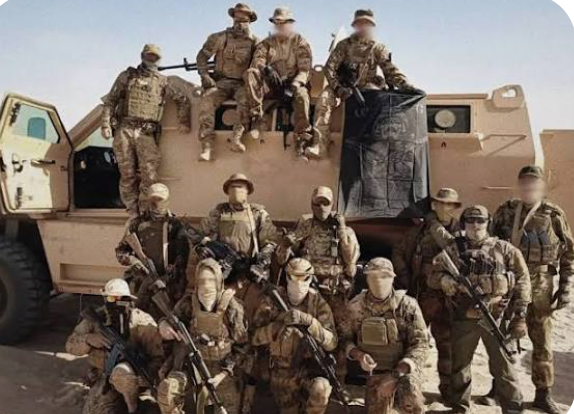
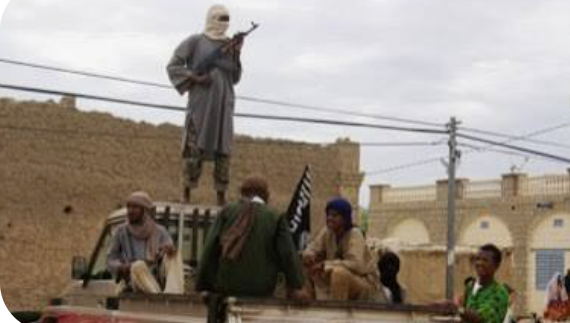
The northern region of Mali has recently witnessed a significant symbolic shift. According to multiple reliable sources, an “agreement” has been reached between Tuareg rebel groups and Russian auxiliary forces, facilitating the latter’s withdrawal from specific areas within the Kidal region. While this arrangement is officially presented as a measure to minimize human casualties, it largely signals an admission of strategic difficulty. For Bamako, which had championed the complete reclamation of Kidal as a cornerstone of national sovereignty, observing its Russian allies negotiate a secure retreat starkly reveals a harsh reality: foreign military presence, whether Western yesterday or Russian today, consistently struggles to achieve lasting stability in such an intricate operational environment.
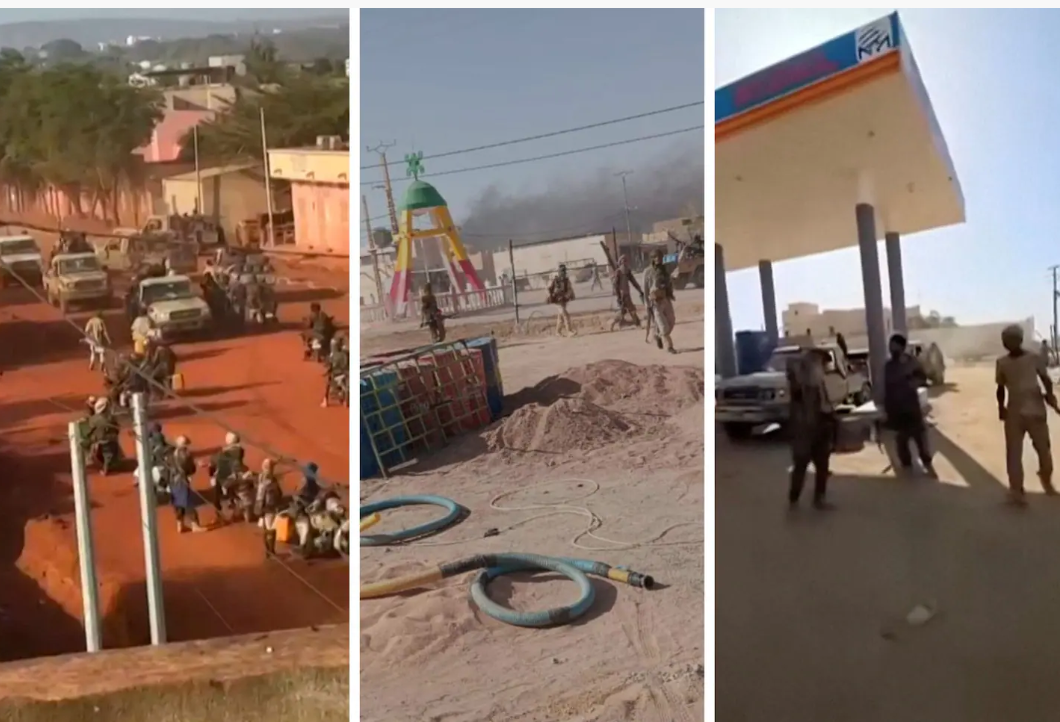
Kati under pressure: the seat of power targeted
While the North remains volatile, instability is now extending its reach to the South. The resurgence of clashes in Kati, a crucial garrison town merely fifteen kilometers from the capital, has profoundly shocked public opinion. Kati is far more than just a military base; it represents the genesis of the current government, the place where pivotal strategic decisions are formulated. The renewed outbreak of fighting there undeniably indicates a shrinking security perimeter for the Malian state. Insecurity is no longer confined to the nation’s peripheries; it now encroaches upon the very doorstep of the presidency, despite prior assurances of a strengthened Malian army and continued logistical backing from its Russian partner.
The shortcomings of Mali’s russian-backed security model
The deployment of the Wagner Group, subsequently integrated into the Africa Corps, was initially promoted as a definitive solution against terrorism and separatism. However, the outcome after several years of collaboration has proven disappointing, as insecurity continues to proliferate and draw closer to urban centers. This strategic deadlock underscores that brute force alone cannot substitute for comprehensive political and administrative solutions in remote regions. Furthermore, by pivoting away from its traditional regional and international partners in favor of a singular actor, Mali has become entrenched in a military dependency that is failing to yield tangible results on the ground. Russia, predominantly focused on its own geopolitical interests, appears ill-equipped to provide an effective response to the asymmetric warfare plaguing the Sahel, which demands sophisticated intelligence capabilities and genuine social cohesion.
The prevailing situation in Mali vividly demonstrates that true security cannot be simply acquired through mercenary contracts. The relative operational difficulties in Kidal and the newfound vulnerability of Kati underscore a critical truth that transitional authorities can no longer afford to disregard: the resolution to the Malian conflict cannot be exclusively military, and certainly not solely Russian. Without a renewed commitment to inclusive governance and a fundamentally re-evaluated defense strategy, Mali risks descending deeper into a cycle of violence that its current allies seem incapable of breaking.