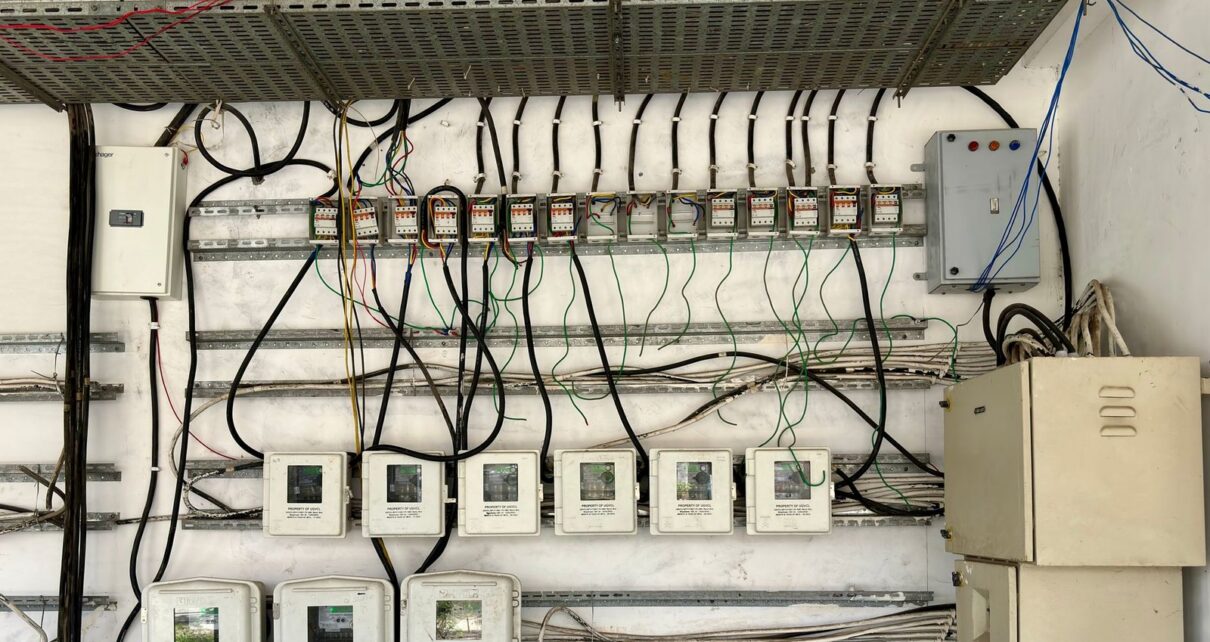
In the early hours of June 15, 2026, Gabon’s Société d’énergie et d’eau du Gabon (SEEG) faced one of the most severe cyber incidents ever recorded against a public utility in Central Africa. Nearly 95% of the company’s information systems collapsed overnight, prompting its leadership to describe the breach as a deliberate act of sabotage. A progress report unveiled in Libreville on August 4 provided a detailed breakdown of the operational, technical, and financial fallout, while outlining the painstaking recovery efforts underway for nearly two months.
Unprecedented digital sabotage targets Gabon’s critical infrastructure
SEEG officials confirmed the attack struck multiple critical layers of its IT infrastructure, from technical supervision stations to billing and commercial platforms. Nearly all business servers were rendered inoperable, cutting off staff access to customer databases, power grid management tools, and water distribution applications. Such an extensive outage, rarely seen at this scale, points to a meticulously planned intrusion with deep knowledge of internal systems. While the company did not publicly attribute the attack or disclose any ransom demands, its leadership emphasized the deliberate nature of the operation.
The immediate impact was felt by subscribers across the country. Commercial branches operated in degraded mode for weeks, digital payments were interrupted, and meter readings were disrupted in large parts of the territory. In a nation where SEEG is the sole provider of water and electricity, the incident underscored the growing reliance of essential services on centralized digital systems.
Relentless recovery efforts and a cautious return to normalcy
The August 4 update revealed SEEG has adopted a phased restoration strategy, prioritizing the most critical functions to ensure public service continuity. Technical supervision systems for the power grid were reportedly among the first to be restored, securing energy supply across the interconnected network. Commercial platforms, however, pose a greater challenge due to the sheer volume of customer data involved, with recovery timelines set to extend further. The company has enlisted external expertise to support its internal teams, though it has not disclosed the financial scale of the remediation efforts.
The recovery process includes partial architectural overhauls, such as enhanced network segmentation and fortified backup mechanisms. Questions linger about the company’s prior preparedness, with industry observers noting that the scale of damage reflects shortcomings in resilience and inadequately tested continuity plans. Regulators and oversight authorities are expected to tighten cybersecurity requirements for vital operators, aligning with emerging trends in the subregion.
Call to action for digital sovereignty in Central Africa
The SEEG incident is more than an isolated case—it highlights a structural vulnerability across African utilities. The accelerated digitization of water and electricity networks, while improving commercial efficiency and reducing technical losses, has also increased exposure to cyber threats. Few operators in the region maintain 24/7 security operations centers, and investments in industrial system protection lag behind European or North American standards. The attack on SEEG could serve as a catalyst for greater awareness in Libreville and neighboring capitals.
The road to recovery extends beyond technical restoration. Rebuilding subscriber trust, ensuring billing data accuracy, and addressing potential financial losses are equally critical challenges. SEEG’s next progress report will be closely watched by authorities, financial partners, and users alike, as digital sovereignty takes center stage in Gabon’s national security agenda.