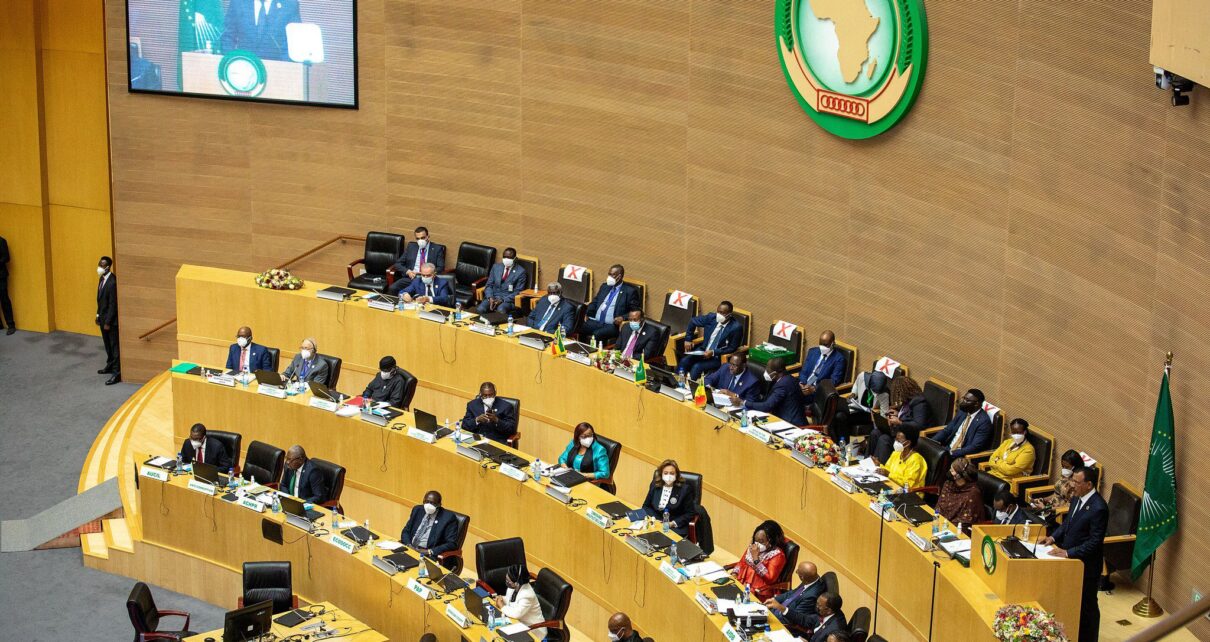
Marrakech — Morocco has once again voiced its unwavering solidarity with Mali, addressing the African Union Peace and Security Council (AU PSC) in a firm condemnation of the recent wave of coordinated terrorist and separatist attacks that struck the West African nation last weekend.
The Moroccan delegation, speaking at the emergency AU PSC session on Mali, denounced with maximum severity the violent assaults targeting both civilian and military targets. The statement extended deep condolences to the victims’ families and the Malian people, reaffirming Morocco’s steadfast support for Mali’s sovereignty, security, stability and territorial integrity.
urgent call for coordinated response
In its address, Morocco also urged the mobilization of dedicated funds to enable a swift and effective response. The call emphasized the need for close collaboration with Malian authorities to counter the threats facing the country.
This recent declaration follows Morocco’s immediate reaction hours after the attacks. A senior diplomat from Rabat stated on the day of the assaults that “the Kingdom of Morocco strongly condemns these heinous and cowardly acts of terror,” reaffirming the country’s backing for Malian authorities in their fight against terrorism and separatism throughout Mali and the broader Sahel region.
escalating violence in Mali: a look at the attacks
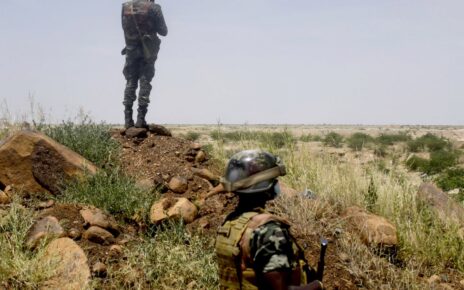
The coordinated assaults, unprecedented in their scale, were carried out by militants from the al-Qaeda-linked Group for the Support of Islam and Muslims (JNIM) alongside Tuareg separatists from the National Movement for the Liberation of Azawad (MNLA). These simultaneous attacks targeted seven cities, including Bamako, Kati, Kidal and Gao.
Among the tragic losses was General Sadio Camara, Mali’s Defense Minister, who was killed in a suicide bombing at his residence in Kati. General Assimi Goita, leader of the military junta, remains unaccounted for since the attacks. The strategic city of Kidal fell under rebel control, prompting the withdrawal of Russian mercenaries from the African Corps under a negotiated agreement with the armed groups.
Algeria’s shadow war: accusations of destabilization in Mali
While Morocco’s swift support for Bamako has been widely acknowledged, international observers are increasingly focusing on what they describe as Algeria’s “shadow war” against Mali. Analysts argue that the recent surge in violence is not coincidental but rather a calculated response to Mali’s strategic realignment.
Barely two weeks before the attacks, Mali made a sovereign decision to withdraw its recognition of the self-proclaimed Sahrawi Arab Democratic Republic (SADR) and endorse Morocco’s autonomy plan for Western Sahara. This move was seen as a direct challenge to Algeria’s long-standing diplomatic influence in the region.
Algeria’s response: punitive measures or regional coercion?
Analysts tracking Sahel security dynamics suggest the coordinated April 25 attacks were a form of retaliatory action against Mali’s decision to break free from Algeria’s sphere of influence. Bamako has repeatedly accused Algiers of harboring separatist factions and interfering in its internal affairs — accusations backed by extensive documentation of Algeria’s alleged support for armed groups.
The Polisario Front remains the most prominent example of Algeria’s alleged destabilization strategy, with observers warning that a similar operational model is now being applied against Mali. The Algerian media, closely aligned with state narratives, swiftly amplified separatist propaganda, inflated casualty figures and spread unverified claims about key officials — a coordinated disinformation campaign seen as a clear message: “defy Algeria’s influence at your peril.”
The contrast is striking: while Algiers enforces a strict media blackout on security threats within its own borders, its state-aligned outlets engage in aggressive information warfare abroad. International reports have documented active terrorist threats in Algeria’s Blida region, yet the government maintains a policy of institutional denial, highlighting a dual and contradictory approach to regional security.
the collapse of algiers’ leverage over Mali
The abrogation of the 2015 Algiers Accord by Mali’s transitional military council marked a turning point. The agreement, long used by Algeria to exert political control over Bamako by maintaining armed groups as a persistent threat, is no longer in effect. With Algeria’s primary instrument of influence dismantled, Algiers has escalated its response through proxy warfare, disinformation campaigns and efforts to destabilize Mali’s territorial integrity.
Morocco’s principled stance: partnership over coercion
Morocco’s position, in contrast, has remained consistent and principled. In a joint press briefing with Burkina Faso’s Foreign Minister in Rabat in June 2024, Moroccan Foreign Minister Nasser Bourita outlined Morocco’s approach: “We reject the logic of those who seek to lecture or blackmail Sahel nations.”
Bourita went further, criticizing countries that attempt to manage regional crises through pressure and external manipulation. “Even in the Sahel’s neighborhood, some states prioritize settling their own agendas at the expense of regional stability,” he stated, emphasizing that Morocco believes in the self-determination of Sahel nations.
“Sahel countries do not need guardians — they need partners,” Bourita asserted. This philosophy reflects Morocco’s commitment to mutual respect and non-interference, offering expertise and support without imposing political conditions. Observers increasingly contrast this approach with Algeria’s coercive regional policy, which is perceived as rooted in manipulation rather than genuine partnership.