The region of Tillabéry in western Niger has once again become the focus of escalating security challenges after a video emerged, purportedly showing the assault on a military base in Inates on June 17, 2026. The footage, released by armed groups operating near the volatile “three borders” zone, claims to document the meticulously coordinated attack on the site.
The video opens with what appears to be mortar fire raining down on the base, followed by a sustained assault involving automatic weapons and grenade launchers. According to the narration accompanying the footage, attackers swiftly encircled the installation before launching a multi-pronged offensive aimed at overwhelming its defenders.
The armed factions allege that Nigerian military personnel offered only token resistance before attempting to withdraw. They further contend that ambushes were pre-positioned around the base to block escape routes and intercept any potential reinforcements.
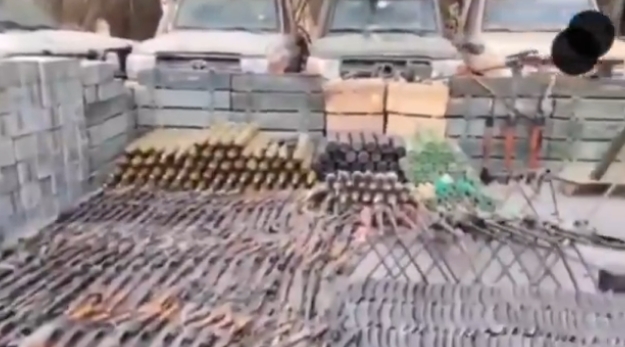
While the militant groups assert that their operation resulted in the deaths of at least 80 Nigerian soldiers, along with the destruction of seven armored vehicles, six pickup trucks, and nine fuel tankers, these claims remain unverified. They also assert seizing twenty pickup trucks, eighteen machine guns, a sniper rifle, multiple grenade launchers, three mortars, and substantial ammunition stockpiles. Authorities have yet to confirm or deny these assertions, as is customary in such high-stakes conflicts where propaganda often blurs the lines between fact and fiction.
The release of this video is more than a tactical maneuver—it serves as a calculated psychological operation. By broadcasting their capabilities and tactical prowess, these groups aim to undermine the morale of security forces, project an image of invincibility, and send a defiant message to all stakeholders engaged in countering the Sahel insurgency. The incident underscores a troubling pattern: despite shifting military strategies and increased regional collaboration, militant factions continue to execute sophisticated attacks on hard targets.
The Tillabéry region, already grappling with chronic instability, now faces renewed scrutiny as this latest assault raises fresh questions about the resilience of local defense structures and the efficacy of ongoing counterterrorism efforts.