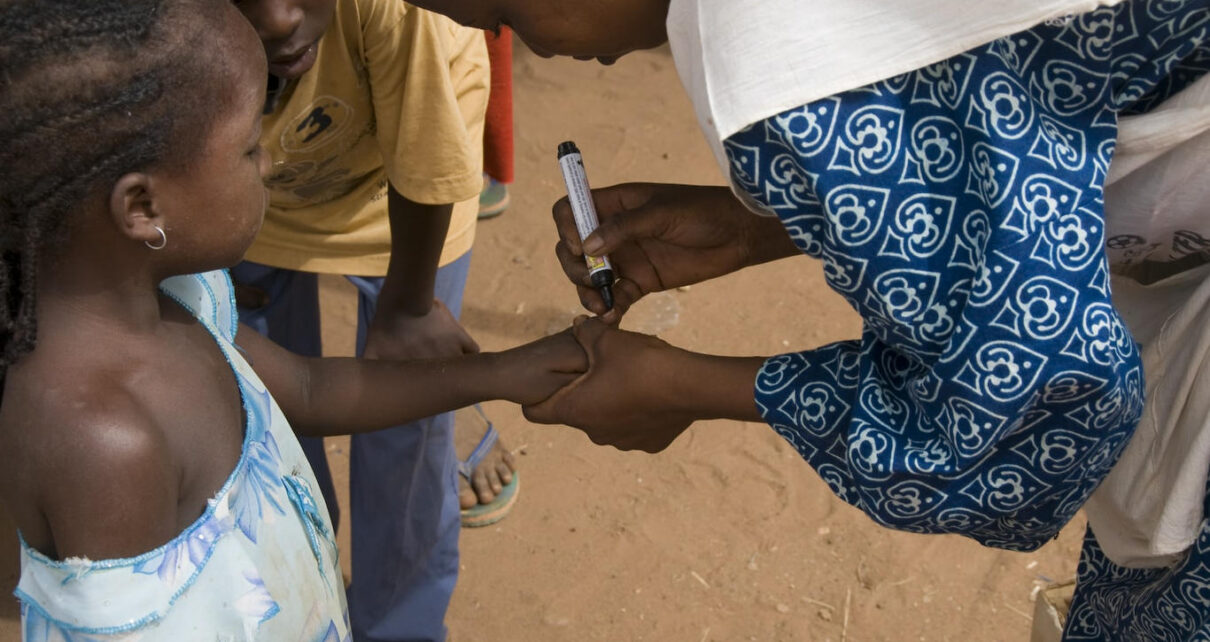
Niger confronts simultaneous polio and COVID-19 outbreaks
While battling the ongoing COVID-19 pandemic, Niger now faces a resurgence of polio, with two confirmed cases in the regions of Niamey and Tillaberi.
The two viruses spread differently—COVID-19 through respiratory droplets from coughing or sneezing, and polio through contaminated water, food, or poor hygiene—but their early symptoms often overlap, including fever, headaches, and coughing.
How the polio outbreak emerged despite past eradication efforts
Niger previously eliminated polio through successful mass vaccination campaigns in 2019. However, Dr. Pascal Mkanda, Coordinator of the Polio Eradication Programme for the WHO African Region, explains that these efforts have been paused due to COVID-19 restrictions, which prioritize social distancing and hand hygiene over large-scale immunization drives.
“Mass vaccination campaigns cannot be conducted safely under current pandemic conditions,” Dr. Mkanda states. “This pause has created an immunity gap, allowing the vaccine-derived poliovirus to circulate once again.”
Understanding vaccine-derived poliovirus
In December, Niger, along with Kenya and Mozambique, declared the end of prolonged polio outbreaks that had persisted for 24 months. However, the recent cases in Niger involve a vaccine-derived poliovirus, meaning the strain mutated from the oral polio vaccine. Unlike wild poliovirus, this form emerges when the weakened virus in the vaccine circulates in under-immunized populations, regaining the ability to cause paralysis.
“The poliovirus will continue to spread,” warns Dr. Mkanda. “Without timely, high-quality vaccination campaigns, more children are at risk of paralysis.”
Regional impact and ongoing risks
Niger now joins 14 other African nations experiencing outbreaks of vaccine-derived poliovirus, including Angola, Benin, Burkina Faso, Cameroon, Central African Republic, Chad, Côte d’Ivoire, Democratic Republic of Congo, Ethiopia, Ghana, Mali, Nigeria, Togo, and Zambia.
The primary drivers of these outbreaks include:
- Low routine vaccination coverage in many communities
- Vaccine hesitancy among certain populations
- Geographic barriers preventing access to healthcare
- Ineffective vaccination campaigns in remote or conflict-affected areas
Despite the suspension of mass vaccination drives, the African Polio Eradication Programme is working to maintain critical disease surveillance functions. While no cure exists for polio, vaccination remains the most effective way to prevent paralysis. Efforts are underway across the continent to rapidly boost child immunity and curb the spread of the virus.