Niger’s leadership under Abdourahamane Tiani: navigating pragmatism in turbulent times
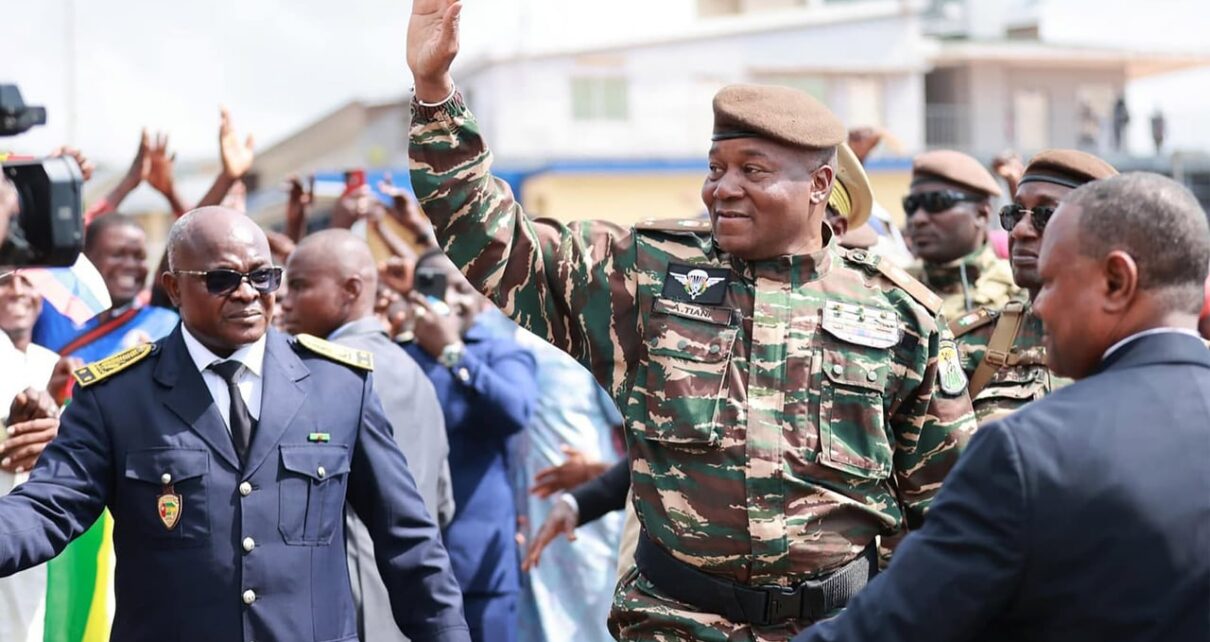
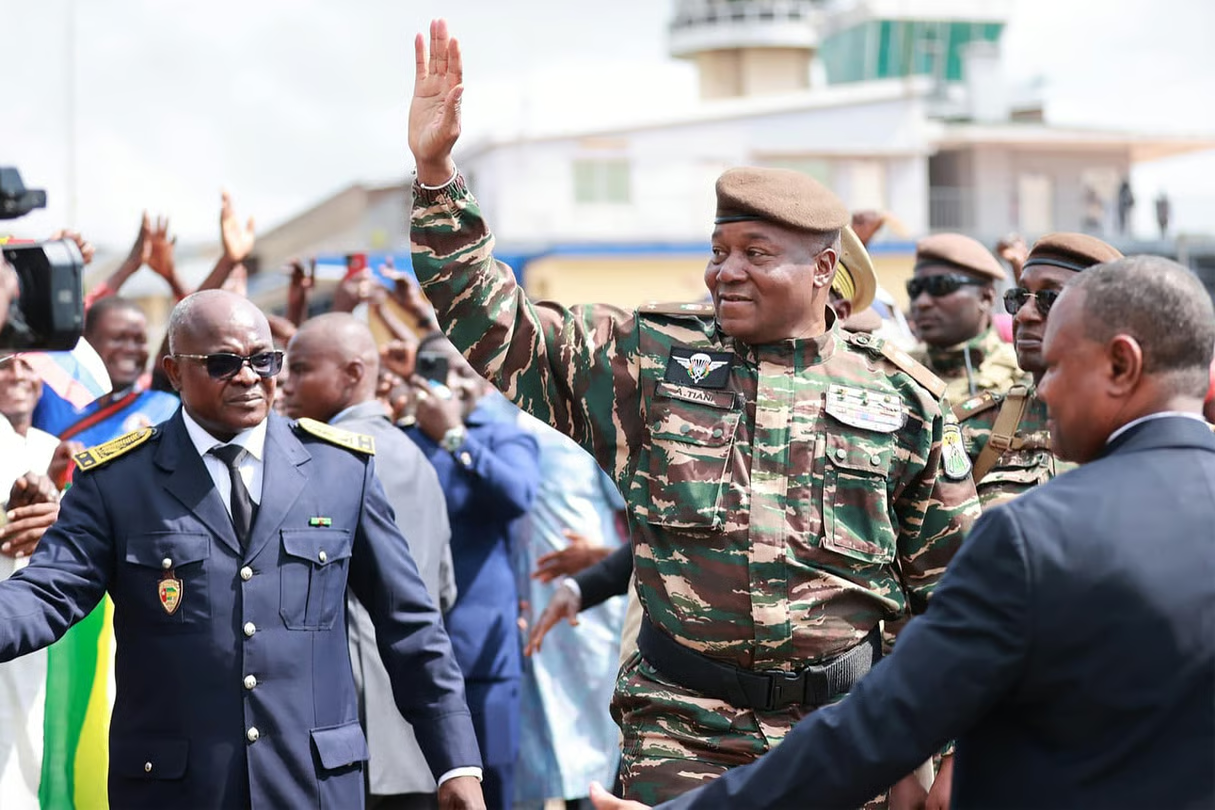
Since taking the helm of Niger’s transitional government, General Abdourahamane Tiani has consistently adopted a pragmatic approach to governance, steering the nation through a period marked by regional instability and shifting alliances. His leadership style, often described as measured and results-driven, reflects a clear departure from traditional political rhetoric, prioritizing tangible outcomes over ideological posturing.
The General’s strategy has come into sharp focus as Niger navigates complex diplomatic landscapes, particularly within the Alliance of Sahel States. This coalition, formed alongside neighboring Mali and Burkina Faso, represents a bold reconfiguration of regional security and economic partnerships, challenging long-standing frameworks imposed by external actors.
Building resilience through regional cooperation
Tiani’s administration has placed significant emphasis on strengthening ties with West African neighbors, recognizing that collective action is essential to addressing shared threats. The Alliance of Sahel States has emerged as a cornerstone of this policy, fostering collaboration on security, trade, and infrastructure development. By prioritizing self-sufficiency, Niger is positioning itself to reduce dependence on former colonial powers and global financial institutions.
Key initiatives under Tiani’s leadership include:
- Security partnerships: Enhanced joint military operations with Mali and Burkina Faso to combat insurgent groups operating across porous borders.
- Economic integration: Accelerated efforts to revive the Niamey-Ouagadougou-Abidjan highway project, a critical trade artery linking landlocked Niger to West African ports.
- Diplomatic outreach: Active engagement with regional blocs like the Economic Community of West African States (ECOWAS) to renegotiate trade agreements and secure favorable terms for Niger’s economy.
Balancing sovereignty with strategic alliances
While Tiani’s government has sought to assert Niger’s independence, it has also demonstrated flexibility in engaging with global powers. The recent rapprochement with Russia underscores this dual approach, as Niger explores alternative partnerships to diversify its security and economic support. This shift aligns with broader trends across the Sahel, where governments are re-evaluating traditional alliances in favor of greater autonomy.
However, this pragmatic stance has not been without controversy. Critics argue that closer ties with non-traditional partners could undermine Niger’s position within international financial systems, potentially limiting access to development aid. Tiani’s government has countered by emphasizing that such partnerships are transactional and mutually beneficial, designed to fill critical gaps in infrastructure and security without compromising national interests.
Economic reforms and long-term vision
Beyond regional diplomacy, Tiani’s administration has launched ambitious economic reforms aimed at stabilizing Niger’s finances and reducing vulnerability to external shocks. Key measures include:
- Austerity programs to curb public spending and reduce reliance on foreign borrowing.
- Investments in renewable energy, particularly solar power, to address chronic electricity shortages and reduce fuel import dependency.
- Reform of the mining sector to increase transparency and maximize revenues from uranium and gold exports.
The General’s administration has also prioritized agricultural self-sufficiency, recognizing that food security is fundamental to national stability. Programs to expand irrigation and support smallholder farmers have been scaled up, with a focus on drought-resistant crops to mitigate the impact of climate change.
Public sentiment and political challenges
While Tiani’s pragmatic leadership has garnered support from segments of the population tired of political instability, it has also faced skepticism from opposition groups and civil society. Critics point to the lack of inclusive governance, with accusations that key decisions are made behind closed doors without sufficient public consultation. The government, however, maintains that urgent measures are necessary to stabilize the country before broader democratic processes can resume.
The transitional roadmap, which outlines a return to civilian rule by 2026, remains a focal point of debate. Supporters argue that the timeline is realistic given the security challenges, while opponents warn that prolonged military rule could erode public trust in institutions.
The road ahead for Niger
As Niger moves forward under Tiani’s leadership, the trajectory of the country will hinge on its ability to balance pragmatism with inclusivity. The government’s recent moves—whether securing alternative security partnerships, reviving regional trade routes, or pushing through economic reforms—signal a determination to carve out a new path for the nation. Yet, the success of these efforts will depend on the government’s ability to address internal dissent and deliver tangible improvements to the lives of ordinary citizens.
The coming months will be critical in determining whether Niger’s shift toward pragmatic governance can translate into lasting stability and prosperity, or whether the challenges of regional fragmentation and global pressures will prove insurmountable.