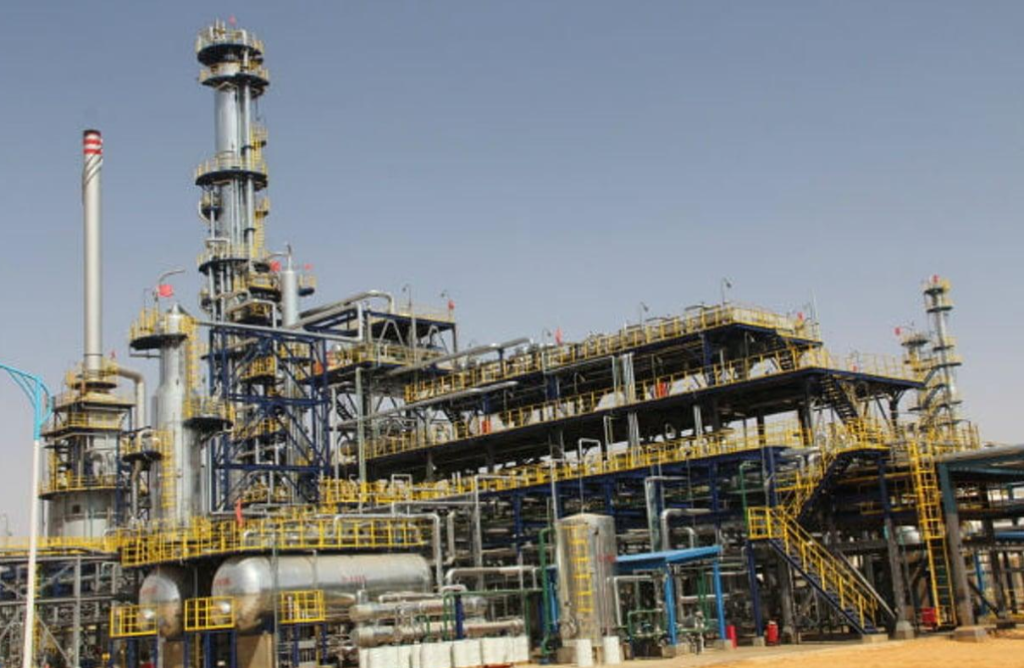
A violent oil eruption, environmental fears, disputes over foreign experts, and a 45-day ultimatum to chinese partners. in Niger, the goumeri w8 incident has grown far beyond an industrial accident—it now exposes the fractures in a high-stakes oil partnership just as Niamey pushes to reclaim control over its resources.
agadem basin — since the september 25 blowout at goumeri w8, oil has not just spilled. the fallout has rippled through industrial, financial, and diplomatic networks, dragging Niamey, Beijing, and algiers into a delicate standoff over who leads, who pays, and who bears the risks.
An industrial emergency with unanswered questions
on september 25, the goumeri w8 well suffered a major blowout of crude oil and gas. the force of the eruption damaged the platform and threatened nearby wells, including goumeri w3 and w4. by october 12, Niger’s petroleum ministry described the situation as “exceptionally serious,” noting two workers were hospitalised in the early hours. containment was partial; full control remained uncertain.
in an industry where pressure, temperature, and equipment integrity leave zero margin for error, every decision carries weight. a misaligned intervention, a delayed response, or a misjudged risk can escalate an already critical scenario. yet, critical questions linger: who exactly is in charge? how are technical choices validated? and how do multiple teams coordinate under such strain?
reports suggest that while cnpc Niger petroleum teams were already working to contain the leak, nigerien authorities requested additional support from algerian technicians. this move allegedly sparked disagreements over operational control and the role allocated to the chinese operator. without independent operational documents or corroborated testimony, it’s impossible to confirm whether Algeria’s involvement occurred against cnpc’s wishes or worsened the incident. but one question remains inescapable: in a crisis of this scale, who holds decision-making authority?
Algeria’s role: technical aid or diplomatic friction?
by summoning algerian expertise, Niamey turned to a regional powerhouse with deep hydrocarbon experience. the delegation included representatives from sonatrach, Algeria’s state-owned energy giant. on paper, this was a straightforward bid for technical reinforcement—a common practice when facing complex industrial failures.
but context complicates perception. sources hint at prior tensions over operational parameters at the soraz refinery, where adjustments to hydrocarbon flow reportedly raised technical concerns. these claims, however, remain unverified and cannot alone assign blame to algerian technicians for any incident.
what cannot be ignored is the necessity of seamless coordination. on a site operated by cnpc, the introduction of algerian specialists—mandated by nigerien authorities—must align with a clear chain of command, defined responsibilities, and rigorous safety protocols. Niamey has every right to seek the expertise it deems necessary. but industrial emergencies demand that all deployed skills operate under unified, technically sound procedures, with decisions grounded in verifiable data.
transparency is not optional here. in the absence of official explanations, speculation spreads faster than oil.
Surface containment: a temporary fix with hidden costs
beyond damaged equipment, the crisis threatens soil, water, and local communities. to halt the spread, containment barriers were erected. reports mention bulldozers constructing sand berms and dikes around affected areas.
while such measures may limit surface flow, they do not resolve a pressurised blowout. their effectiveness depends on the leak’s nature, terrain contours, and the ability to recover hydrocarbons without simply redirecting pollution. the risk? assuming that oil buried under sand means the problem is solved.
contaminated soil may remain hazardous, with some hydrocarbon components potentially seeping into groundwater. volatile organic compounds and associated gases can also pose health risks to nearby workers and residents. for local communities, the concerns are immediate: is the water supply safe? are pastoral lands contaminated? are exposed individuals receiving medical monitoring? and who will address any long-term harm?
as of october 20, nigerien officials stated the spill was contained and securisation efforts were ongoing. they also mentioned plans for a directional relief well, goumeri w-8r, with work slated between october 24 and december 26. this could prove pivotal. yet it doesn’t absolve authorities and operators from another duty: assessing the full extent of environmental damage and ensuring thorough remediation.
The $400 million factor reshaping the debate
to grasp why goumeri w8 has become a flashpoint, look beyond the wellhead. China’s role in Niger’s oil sector is foundational. since the agadem basin’s development, investments in production facilities, the Zinder refinery, and export pipelines have reshaped Niger’s energy landscape.
this partnership enabled an integrated oil industry but also created deep interdependence. infrastructure, technical skills, and commercial networks are tightly linked. prolonged discord could thus disrupt far more than one site.
in april 2024, Niger’s government secured a $400 million advance from cnpc against future oil revenues. repayable over 12 months from the first exports at a 7% interest rate, this deal provided Niger with early access to critical funds. but it also underscored that the Niger-China oil relationship is as much financial as it is technical.
by june 2026, cumulative investments in Niger’s oil sector reached $8.34 billion, encompassing contributions from the nigerien state, cnpc, and sopamin. while China is a major player, this figure reflects the broader capital influx driving the sector’s growth.
in this context, every disagreement carries added weight. for Niamey, the priority is ensuring oil revenues benefit the nation. for Beijing, contractual obligations and operational continuity are vital to protecting its investments. both interests can coexist—but only if rules are clear and disputes are resolved based on verifiable data.
Niamey’s ultimatum: a warning shot with wide implications
on october 13, 2026, Niger gave cnpc, wapco, and soraz a 45-day deadline to address alleged contractual breaches. the government cited failures in repatriating export earnings, employing nigerien workers, and fulfilling state-agreed obligations.
according to foreign minister bakary yaou sangaré, over 3 trillion cfa francs in export revenues had not been repatriated since april 2024, alongside a treasury shortfall of 17.4 billion cfa francs. these are serious allegations—but they currently reflect the government’s grievances. final judgments require examining contracts, financial flows, and the companies’ responses.
nonetheless, the ultimatum marks a hardening stance. with oil central to public finances and economic ambitions, Niamey is demanding accountability. the question now is what happens when the deadline expires. will the firms comply? will negotiations bridge the divide? or will disagreements escalate into further action?
for now, the outcome is uncertain. but one thing is clear: goumeri w8 has erupted at the worst possible moment for a partnership already strained by financial and contractual disputes.
Beijing’s test: adapting to a more assertive Niger
Niger’s relationship with China is entering a phase where economic cooperation alone cannot smooth over differences. Niamey seeks greater control over oil revenues and stricter enforcement of partner commitments—part of a broader push for economic sovereignty.
yet sovereignty isn’t just about issuing ultimatums to foreign firms. it’s also about overseeing operations, auditing accounts, enforcing contracts, and protecting citizens. cnpc remains a linchpin of Niger’s oil sector. prolonged conflict could disrupt operations, erode partner confidence, and complicate efforts to secure goumeri w8.
this doesn’t mean Niamey should abandon its demands. but their implementation must rely on verifiable evidence, clear procedures, and a strategy safeguarding long-term national interests. the challenge is substantial: securing greater economic benefits without undermining the industrial infrastructure that generates them.
Algeria’s delicate position in a three-way tug-of-war
by involving sonatrach, Niamey brought in a regional ally with substantial expertise. this could be seen as a pragmatic bid for technical support amid an unprecedented crisis. but in the current climate, every move is scrutinised through the lens of Niger’s relations with China.
Algeria’s experts are not inherently evidence of an attempt to sideline cnpc. no public evidence suggests algiers seeks to replace Beijing in Niger’s oil framework. yet, questions about responsibility and authority must be addressed. who approves operations? who is accountable for on-site decisions? how are expert recommendations integrated into the operator’s intervention plan?
clarifying these points would prevent diplomatic speculation from overshadowing safety imperatives. Algeria can contribute expertise; cnpc must retain its operational responsibilities within a defined framework; and Niger’s state must ensure oversight, coordination, and protection of public interest. only then can international assistance effectively aid crisis resolution.
Beyond rivalries: the need for hard facts
suspicion and questions abound in this affair. but answers cannot rely solely on anonymous sources or political interpretations. the independent investigation promised by nigerien authorities must establish the blowout’s circumstances, review early decisions, define each party’s responsibilities, and assess environmental damage.
it must also clarify how teams coordinated and what measures could have mitigated the harm. publishing findings is essential to rebuild trust. it would distinguish technical challenges from potential breaches, contractual disputes from safety responsibilities, and verified facts from unproven accusations.
cnpc, sonatrach, and nigerien authorities must present their accounts and supporting evidence. the incident’s severity demands rigorous examination—not a trial by assumption.
Goumeri w8: a litmus test for Niger’s resource sovereignty
at its core, the goumeri w8 crisis poses a question Niger cannot avoid: how can it assert sovereignty over its natural resources without compromising installation safety or partnership stability?
the $400 million advance, billions invested in oil infrastructure, Niamey’s financial demands, and Algeria’s technical presence each tell part of the story. together, they reveal a partnership where economic interests, technical decisions, and diplomatic balances have become inseparable.
yet oil itself cares nothing for rivalries or negotiations. until the well is secured and contaminated land remediated, the risk persists. for nigerien authorities, the dual priority is clear: extract answers from partners and ensure the industrial crisis doesn’t leave lasting harm to people and the environment.
for Beijing and algiers, the stakes are about proving their cooperation with Niamey can operate transparently, respect responsibilities, and deliver tangible results. at goumeri w8, the real test isn’t which partner emerges stronger from this standoff. it’s whether Niger can contain the blowout, protect its citizens, and turn its oil wealth into a development engine rather than another source of tension.