Chad’s political climate under scrutiny: Succès Masra’s detention anniversary
Exactly one year ago, the Chadian authorities made a move that sent ripples through the country’s fragile political landscape. Succès Masra, a prominent opposition figure and former Prime Minister, was arrested at his N’Djamena residence in the early hours of May 16, 2025. His detention, followed by a controversial conviction, has become a symbol of the growing intolerance toward dissent in Chad.
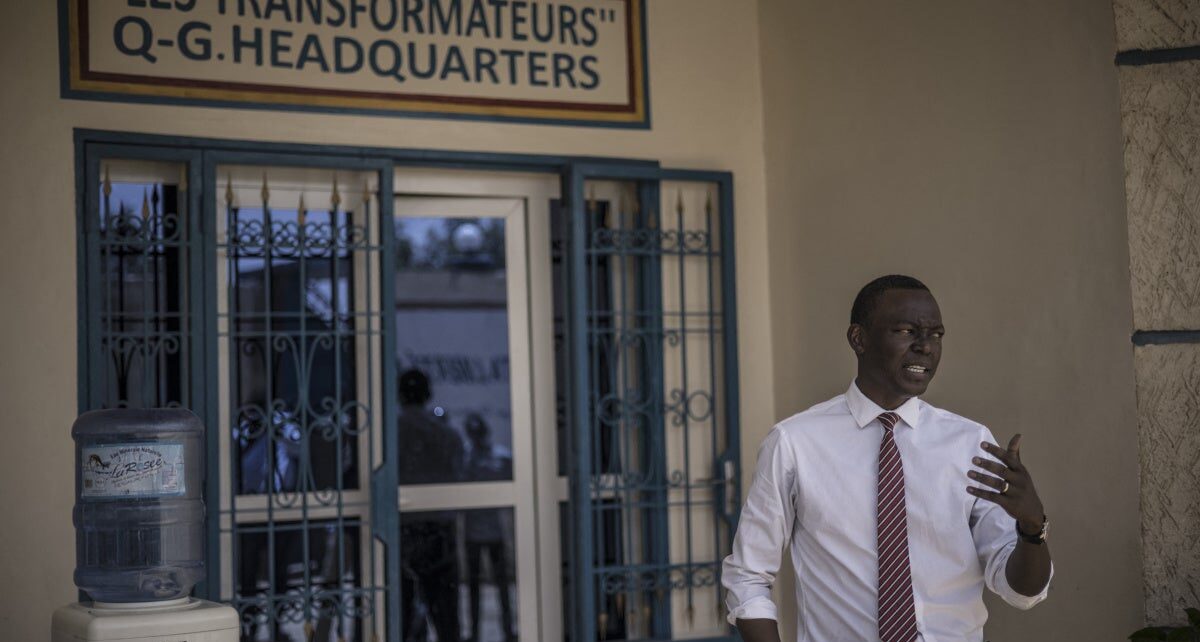
The arrest came in the wake of intercommunal clashes in Logone Occidental Province on May 14, 2025, which left dozens dead. Masra, leader of the opposition party Les Transformateurs, took to social media to express his condolences to the victims, stating that “no Chadian life should be treated as insignificant.” Authorities, however, framed his statements as inflammatory, charging him with inciting hatred and rebellion.
From arrest to conviction: a judicial process marred by controversy
In August 2025, a Chadian court delivered a verdict that shocked many observers. Succès Masra was found guilty of “disseminating hateful and xenophobic messages” and “complicity in murder,” earning him a 20-year prison sentence. The trial, which included dozens of co-defendants, resulted in heavy fines and identical penalties for most accused. Masra maintained his innocence throughout the proceedings, and his legal team swiftly filed an appeal, which remains pending.
Political tensions escalate ahead of and after the 2024 elections
The arrest of Succès Masra did not occur in isolation. It was part of a broader pattern of suppression that intensified in the lead-up to the May 2024 presidential election, where Masra ran against the transitional president at the time, Mahamat Idriss Déby. His campaign faced systematic intimidation, including arbitrary arrests and threats against his supporters. The climate of fear was further exacerbated by the unsolved assassination of a key opposition figure just before the vote.
Following his defeat, Masra publicly alleged that the election had been marred by fraud. The government’s response to post-election protests only added to the tensions. In 2021 and 2022, security forces resorted to excessive force against demonstrators, resulting in numerous casualties and arrests. Hundreds were detained without due process, with reports of torture emerging from some cases. The repression reached a new peak on May 8, 2026, when eight opposition leaders were sentenced to eight years in prison for organizing an unauthorized pro-democracy rally.
Regional bodies face pressure to act
As Chad marks one year since Succès Masra’s arrest, the international community and regional bodies such as the Economic Community of Central African States (ECCAS) find themselves at a crossroads. Their inaction so far has done little to curb the erosion of democratic freedoms in the country. Calls are growing for ECCAS and other stakeholders to intervene more forcefully, urging Chadian authorities to restore political rights and honor prior agreements—such as the Kinshasa Accord—which were meant to safeguard opposition activities.
The unresolved appeal in Masra’s case looms large over Chad’s future. With no clear resolution in sight, the question remains: will justice prevail, or will political repression continue to silence dissent in the landlocked nation?