Diplomatic silence as a strategic weapon
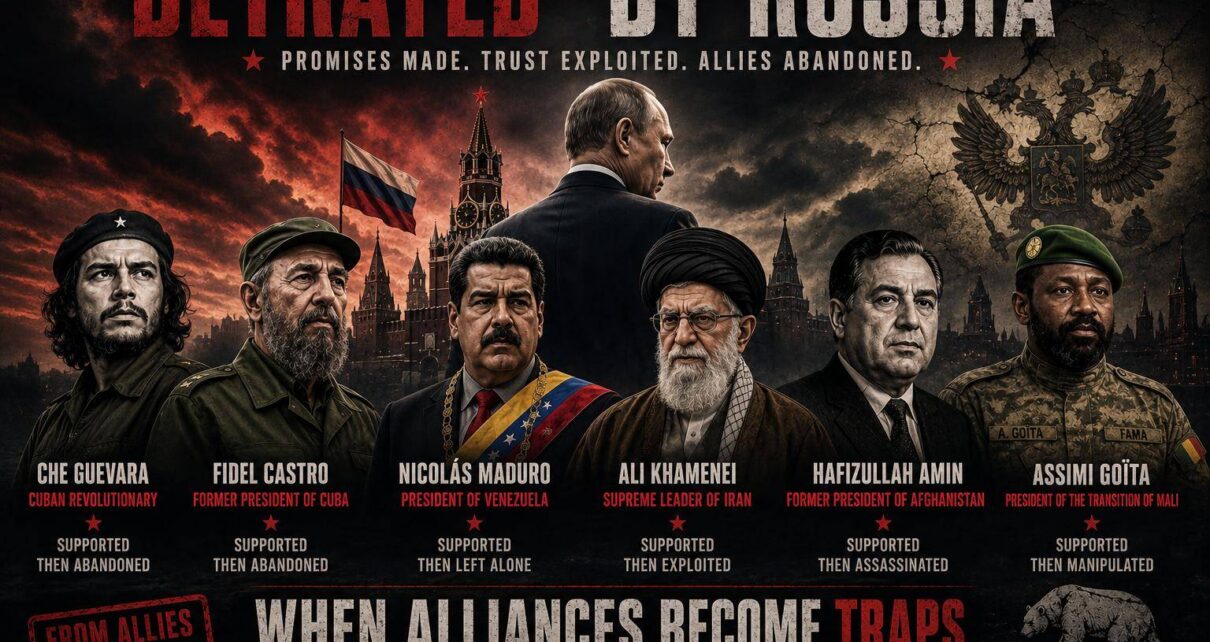
Across the globe, allies of Russia are grappling with mounting crises, yet one pattern stands out: the Kremlin’s conspicuous silence. Far from the image of an unyielding protector ready to intervene at the slightest sign of distress, Moscow appears to have adopted silence as a deliberate diplomatic tool. This calculated withdrawal from the spotlight reveals a deeper strategy behind the apparent inaction.
Why Moscow chooses to stay silent
This recurring scenario unfolds with striking consistency. Whether it involves localized military setbacks, domestic political turmoil, or mass protests in allied nations, Russia’s initial response is neither fiery rhetoric nor immediate support. Instead, it’s a deliberate absence of communication—a strategic void that starkly contrasts with Moscow’s usual assertive stance on the world stage.
For international relations analysts, this reflex is anything but a spontaneous display of weakness. It is a calculated move rooted in cold pragmatism. When an ally falters, the Kremlin adheres to a “wait-and-see” approach, prioritizing the preservation of its own interests over blind loyalty.
A shield against sinking ships
By maintaining a low profile, Russia gains crucial flexibility. If its ally manages to recover independently, Moscow can resume its support without losing face. However, if the allied regime crumbles, the prior silence ensures that Russia isn’t dragged down with it. This calculated distance also allows for discreet backchannel negotiations with emerging power brokers, positioning Moscow advantageously regardless of the outcome.
Silence as a form of diplomatic reproach
The absence of official statements speaks volumes. While Western capitals often resort to public condemnations or formal appeals for restraint, Russia prefers to voice disapproval through silence. When an ally crosses a red line, mishandles a crisis, or pursues a self-destructive path without Moscow’s approval, the Kremlin’s reticence serves as a subtle rebuke. It signals to the embattled partner that it must bear the consequences of its actions alone, without exposing the rifts in the alliance.
Alliances built on transaction, not sentiment
This approach underscores the transactional nature of Russia’s partnerships. The Kremlin’s commitment—whether rhetorical or material—is contingent upon its direct strategic interests. If a crisis threatens only the local leadership rather than Russia’s vital concerns, Moscow will refrain from expending political capital, allowing its ally to face international pressure alone.
While official diplomacy maintains a media blackout, Moscow’s narrative control shifts to alternative channels. State-backed media and influence networks flood the information space with distractions or accusations of “Western interference,” creating a smokescreen that allows the Kremlin to assess the situation from a safe distance.
In essence, recent diplomatic history suggests that Russia’s support is a fleeting cloak worn in times of calm and triumph. When storms gather and political risks rise, Moscow retreats behind a wall of silence, reminding its allies of a harsh geopolitical truth: in times of peril, solidarity is a luxury few can afford.