Behind the scenes of a high-profile separation
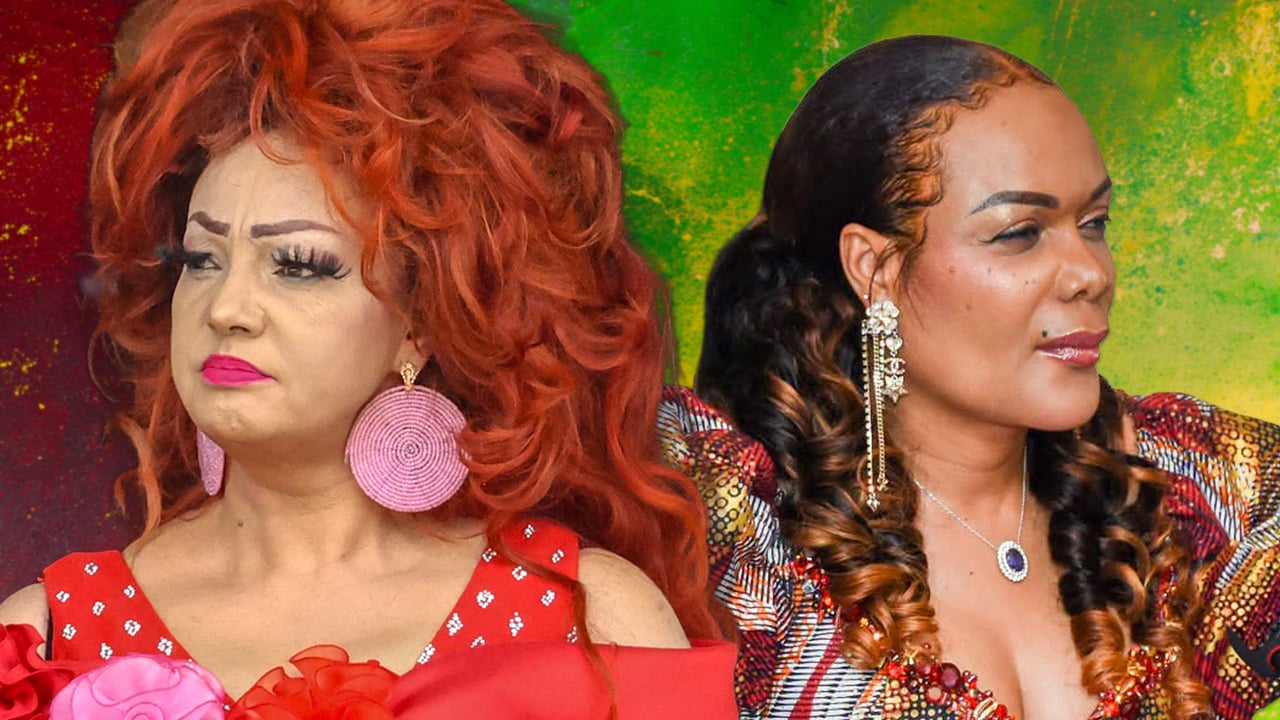
The corridors of power in Yaoundé are abuzz with whispers of an impending divorce between two of Cameroon’s most influential women. Chantal Biya, the country’s First Lady, and Nathalie Moudiki, second-in-command at the National Hydrocarbons Corporation (SNH), have long been seen as pillars of Cameroon’s elite. Yet recent developments suggest their relationship is rapidly unraveling.
What’s driving this split?
While official statements remain scarce, insiders point to a complex web of personal ambitions, institutional rivalries, and shifting political alliances. Chantal Biya, known for her philanthropic ventures and close ties to the presidency, has faced increasing scrutiny over her public role. Meanwhile, Nathalie Moudiki, a rising figure in the energy sector, has been quietly consolidating influence within SNH, a state-owned entity critical to Cameroon’s economy.
Institutional tensions at play
The SNH, tasked with managing Cameroon’s hydrocarbon resources, has become a battleground for competing interests. Nathalie Moudiki’s ascent within the corporation has not gone unnoticed, particularly as she pushes for reforms aimed at modernizing the sector. Her initiatives, however, have sparked friction with traditional power structures, including those linked to the First Lady’s network.
Public perception and political fallout
For years, Chantal Biya has cultivated an image of stability and benevolence, leveraging her platform to champion social causes. Her potential estrangement from Nathalie Moudiki—a key figure in economic policymaking—could signal broader shifts in Cameroon’s power dynamics. Observers are closely watching how President Paul Biya’s administration will navigate these tensions, especially as the country grapples with economic challenges and regional instability.
What happens next?
As the situation unfolds, all eyes are on Yaoundé. Will this separation remain a private matter, or will it spill into the public domain, reshaping alliances and priorities? One thing is certain: the stakes couldn’t be higher for Cameroon’s political and economic future.