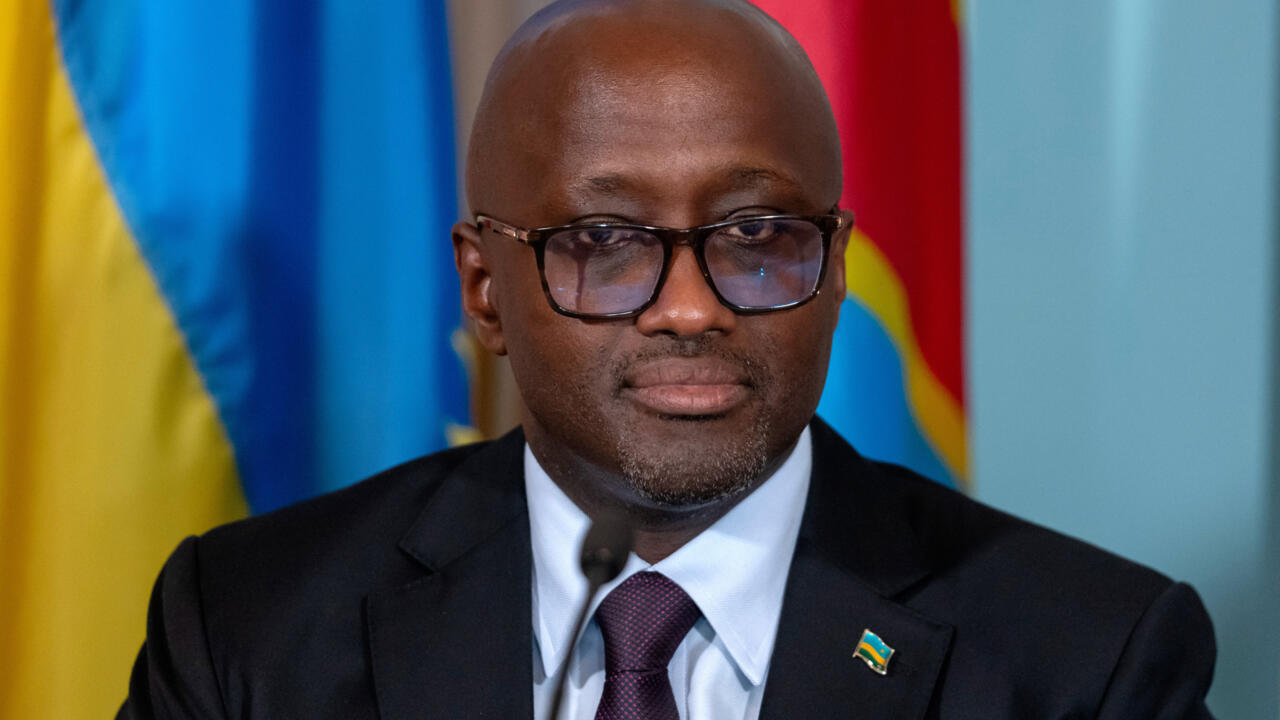
The Rwandan Minister of Foreign Affairs, Olivier Nduhungirehe, recently addressed regional tensions during a high-level discussion. Last week, Kigali and Kinshasa convened their sixth joint peace monitoring committee meeting in London, reaffirming commitments to de-escalate conflicts—particularly around Minembwe—and expand the ceasefire verification mechanism. Yet these promises come amid escalating pressure from Washington, which has imposed sanctions on Rwandan officials and businesses accused of facilitating illicit trade in gold and coltan from areas controlled by armed groups like the M23.
Washington’s growing influence on regional stability
During recent deliberations at the United Nations Security Council, U.S. envoy Massad Boulos raised concerns about Kigali’s adherence to the Washington Peace Accords. The sanctions imposed by Washington target individuals and entities allegedly linked to illegal mineral trafficking, a conflict driver in eastern Democratic Republic of Congo.
The latest measures follow a pattern of international scrutiny over Rwanda’s role in the region. While Kigali has repeatedly denied involvement in supporting armed factions, the convergence of sanctions and diplomatic pressure suggests otherwise. The foreign minister’s remarks come at a critical juncture, as both nations attempt to balance diplomatic engagement with mounting accusations.
Key commitments and unresolved challenges
The London meeting produced fresh commitments to:
- Enhance the ceasefire verification system to improve transparency.
- Address tensions in Minembwe, a flashpoint for intercommunal violence.
- Strengthen economic cooperation to reduce incentives for armed groups.
However, the sustainability of these measures remains uncertain. The Rwandan government insists it is fully committed to peace, but external observers question whether actions will match rhetoric amid ongoing sanctions.
What’s next for Rwanda and DR Congo?
The coming weeks will be pivotal. Both sides must demonstrate tangible progress in implementing the Washington Accords, particularly in halting illicit mineral trade and curbing rebel group influence. Failure to do so risks further diplomatic isolation and economic repercussions.
The foreign minister’s statements will be closely watched, as they may signal whether Rwanda is prepared to take decisive steps toward reconciliation—or if regional instability will persist.