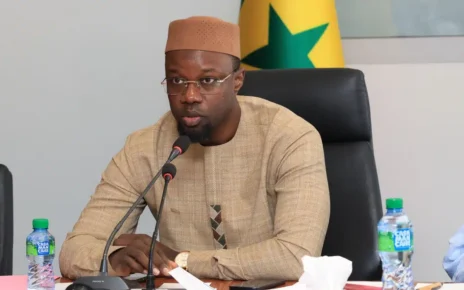
In Senegal, Prime Minister Ousmane Sonko has cut short the parliamentary summer recess for lawmakers, cutting their break short just weeks before it was due to end. The move forces legislators to return earlier than planned to the Soweto Square hemicycle, signaling the government’s resolve to fast-track key legislative priorities. This decision aligns with the Diomaye Faye–Sonko administration’s push to turn campaign promises from the 2024 presidential race—and later the November parliamentary elections—into actionable laws without delay.
Tightened legislative schedule to fast-track reforms
The Prime Minister’s decision goes beyond a simple scheduling tweak—it reflects the executive’s determination to keep legislative momentum high. Since the new National Assembly, led by the Pastef coalition, began its term, the government has introduced numerous bills targeting public governance, tax policy, and accountability. By shortening the recess, lawmakers gain extra time to review pending legislation before the formal start of the regular session, avoiding unnecessary delays in critical reforms.
This approach also underscores Ousmane Sonko’s institutional vision, which emphasizes continuous legislative engagement to prevent gaps that could slow down the implementation of the government’s economic and social agenda. In practice, parliamentary committees are expected to resume hearings and prepare for the review of bills submitted by the government’s general secretariat, ensuring no time is lost in advancing key initiatives.
A political message to both ruling and opposition blocs
Politically, this move carries weight. It arrives at a time of heightened tensions between the presidential majority and opposition groups, particularly over the management of policies from the previous administration. By recalling lawmakers early, the executive is making it clear that it expects a fully engaged majority—one ready to support scrutiny procedures tied to audits published by the Court of Auditors and the Inspectorate General of State. For the opposition, however, the accelerated timeline raises concerns about the depth of deliberation, with some lawmakers in recent weeks criticizing the use of expedited procedures, especially in financial matters.
Yet the Senegalese Constitution grants the government broad flexibility to call extraordinary sessions or adjust legislative workflows, provided it works in coordination with the Assembly’s presidency. This legal latitude ensures that the executive can maintain pressure on the legislative process while navigating constitutional constraints.
Economic and budgetary stakes behind the decision
Beneath the scheduling debate lies a pressing economic agenda. The government must finalize the 2025 finance bill in a challenging budgetary environment, with growth projections revised downward and ongoing negotiations with international financial partners. An earlier return for lawmakers allows for swifter decision-making on spending priorities, tax policy shifts, and public debt management—all high-stakes issues for the new administration.
The Prime Minister’s office is also prioritizing long-term structural reforms, including changes to territorial administration, revisions to the mining code, and updates to oil and gas contracts. These complex texts demand thorough committee work, and even a few weeks of additional time can make a meaningful difference. Economic stakeholders in Dakar are closely monitoring these discussions, as the clarity of the regulatory framework will directly impact investor confidence.
In the coming days, the Assembly’s presidents’ conference will finalize the revised session schedule and agenda. The decision to shorten the recess has already been formally communicated to lawmakers by the Prime Minister’s office.