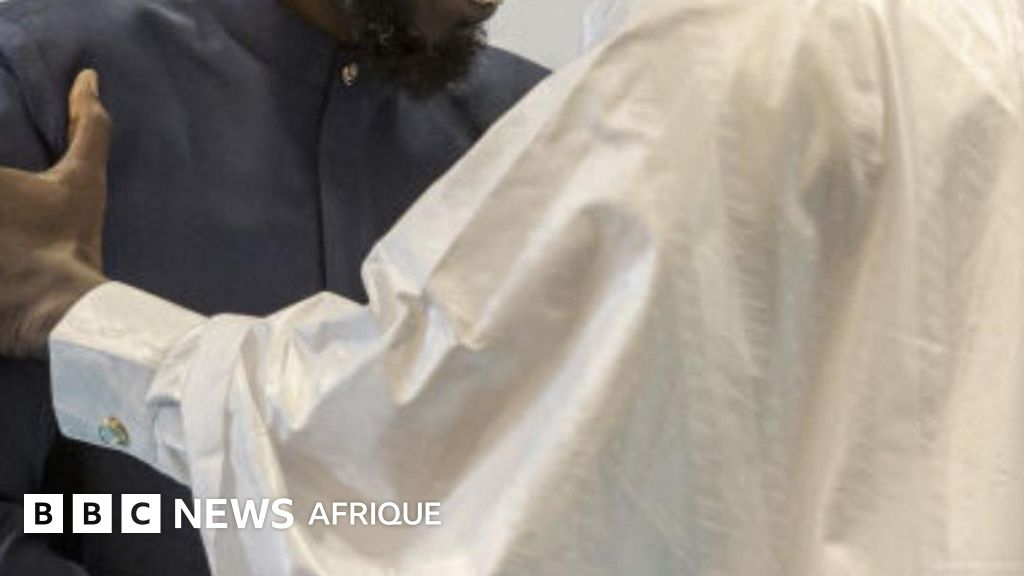
Senegal politics: why the rift between Bassirou Faye and Ousmane Sonko deepened
The abrupt break between Senegalese President Bassirou Diomaye Faye and Prime Minister Ousmane Sonko, barely two years into their mandate, follows months of escalating friction at the highest levels of government.
Read aloudAbout 2 min
This political split has put Senegal, long regarded as a cornerstone of stability in West Africa, under the spotlight. The country now faces uncertainty as it navigates this sudden leadership change.
Four key factors behind the political fallout
Multiple pressures converged to strain the relationship between the head of state and his premier. Here are the main reasons behind their separation:
- Divergent visions for governance: The two leaders clashed over policy direction, with Sonko advocating a more radical reform agenda while Faye favored gradual institutional changes.
- Power-sharing disputes: Tensions grew over the distribution of authority, particularly regarding cabinet appointments and decision-making processes.
- Economic policy disagreements: Fundamental differences emerged on budget priorities, debt management, and economic diversification strategies.
- Public perception and legitimacy concerns: The widening rift raised questions about the administration’s cohesion, undermining public confidence in its ability to deliver on promises.
The fallout underscores how fragile coalition politics can become when ideological and strategic differences go unresolved.
News feeds (RSS) :