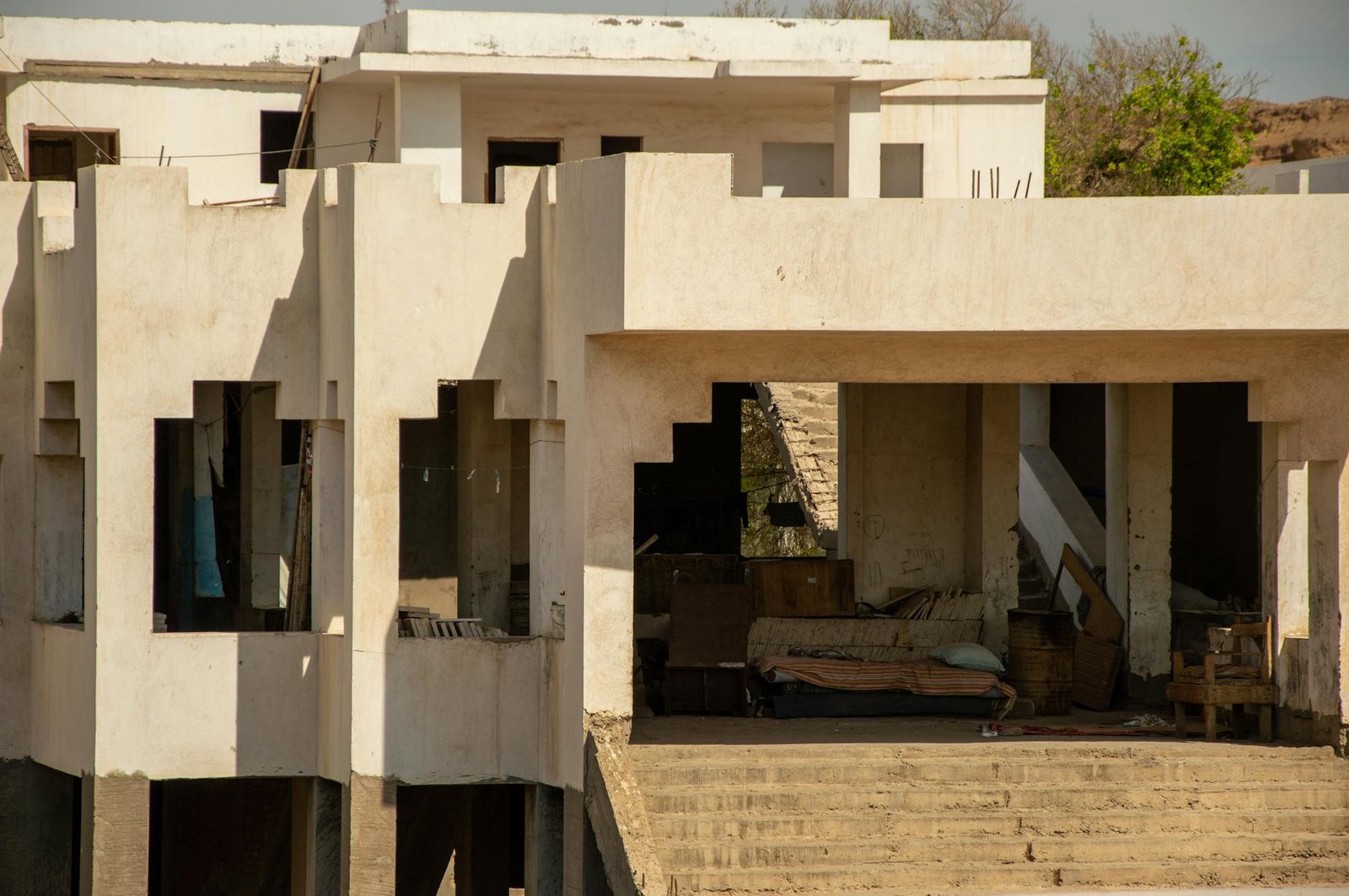
The Senegalese government has launched a sweeping initiative to overhaul its public asset management, targeting 25 completed but idle infrastructures that have failed to deliver the intended services. Official assessments reveal these underperforming assets hold a combined value of 279 billion West African CFA francs—an enormous sum tied up without generating economic or social returns. This revelation exposes a persistent flaw in public procurement: the disconnect between project completion and operational deployment.
Targeted audit identifies dormant state assets
This systematic evaluation focuses on fully constructed yet unused facilities, spanning administrative buildings, sector-specific equipment, and structures designed for economic purposes. These idle assets represent a direct financial drain, as maintenance costs, security expenses, and potential deterioration continue to accumulate without any corresponding service output. The Dakar administration aims to reactivate these infrastructures through redeployment, inter-agency sharing, or private partnerships. A granular assessment is underway to pinpoint why each site remains non-operational, with recurring issues including missing operational budgets, unassigned facilities, and inadequate logistical planning by project owners.
Budgetary pressure drives urgency of reforms
This audit aligns with the government’s 2024 policy agenda prioritizing financial transparency and expenditure control. By unlocking the value of already-funded assets, Senegal reduces its reliance on new borrowing while addressing high debt servicing costs. The initiative complements broader reviews of public contracts and semi-public entities, reinforcing a clear directive: maximize existing resources before expanding fiscal pressure or launching new investments. This approach echoes repeated critiques from the national audit authority, which has long highlighted weaknesses in post-delivery project management.
Strengthening project governance and accountability
Beyond financial figures, the evaluation scrutinizes infrastructure project governance. Completion of a structure marks only the beginning of its utility—not the end of the process. However, Senegal’s public sector often suffers from fragmented responsibilities across ministries and agencies, creating blind spots in project lifecycle management. International financial institutions have long advocated for clearer accountability chains from feasibility studies to service activation.
For the 25 sites identified, multiple solutions are under consideration. Some may be reassigned to agencies currently renting private office space, generating immediate rent savings. Others could be privatized through concessions or transferred under performance-based agreements. A third option involves addressing missing components—equipment, staffing, or infrastructure connections—to activate original service objectives. Decisions will follow case-by-case evaluations and future budget decisions.
This public asset revitalization effort serves as a credibility test for Senegal’s administration. Success hinges on transparent progress reporting and verifiable performance metrics. By demonstrating tangible results, Senegal could set a regional benchmark for combating the costly phenomenon of ‘ghost infrastructures,’ which similarly undermines public investment returns across West Africa.