Senegal’s bold move: reshaping francophone africa’s political landscape
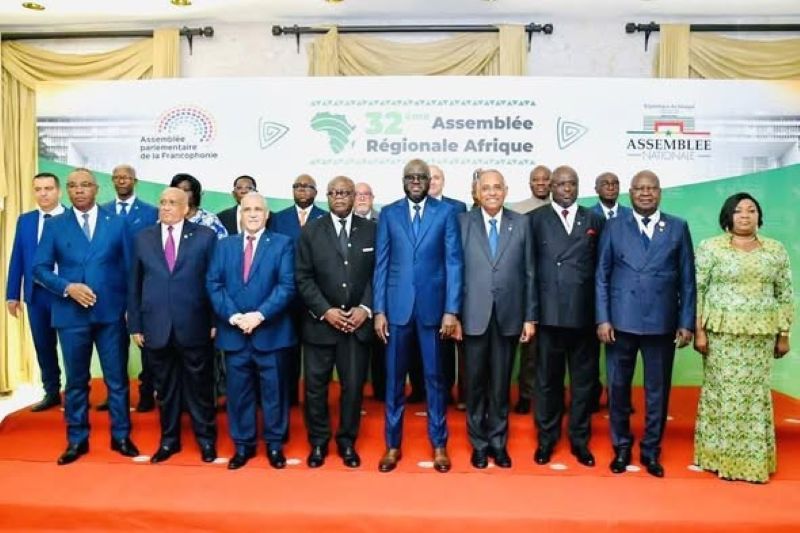
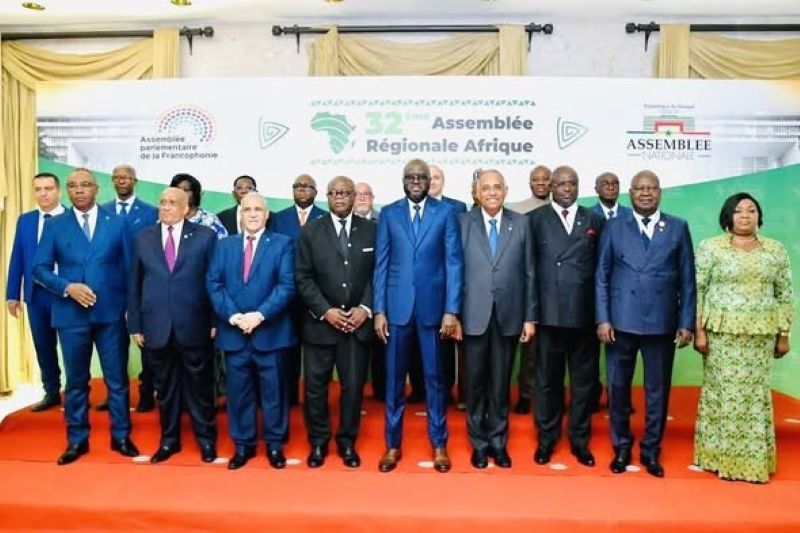
Libreville, May 19, 2026 – A gathering under intense geopolitical scrutiny. In Dakar, African parliamentary Francophonie took a decisive turn. While official speeches and diplomatic unity were on display, the 32nd Africa Regional Assembly of the Francophonie Parliamentary Assembly (APF) unveiled a deeper political transformation sweeping the continent.
Over three days, more than 200 parliamentarians, assembly presidents, and institutional representatives from nearly 30 African nations transformed Senegal’s capital into a strategic laboratory for an assertive, sovereign Francophone Africa seeking a stronger voice in global affairs.
Amid shifting global power dynamics, escalating Sahel security crises, Middle Eastern tensions, and intensifying great power rivalries, the Dakar discussions transcended routine parliamentary proceedings. They addressed a fundamental question: what role does Francophone Africa envision for itself in the 21st century?
The chosen theme—”Parliamentary Francophonie facing sustainable development and democracy challenges in Africa”—served as a springboard for broader reflections on the continent’s political, institutional, and strategic future.
Senegal leads with a sovereign African vision
The most impactful moment came from Senegal’s National Assembly President, El Malick Ndiaye. In a politically charged address, he advocated for “assumed African sovereignty,” championing robust, credible parliamentary institutions capable of exercising genuine democratic oversight.
Beyond rhetoric, this stance signals the rise of a new African political doctrine. One that rejects a Francophonie reduced to cultural or linguistic space and instead positions it as a tool for strategic cooperation, political stability, and defense of African interests.
Senegal seized this platform to assert its vision of a more autonomous Africa in security, economic, and diplomatic decision-making. Highlighting Sahel crises, external pressures, and global geopolitical upheavals, Ndiaye urged African parliaments to become central actors in shaping continental responses.
His call for a more assertive parliamentary diplomacy resonated strongly. Key priorities identified included human security, taxation of extractive industries, administrative cooperation, and democratic accountability—areas slated for urgent action.
This shift reflects a growing reality: Francophone Africa no longer seeks mere participation in international debates but aims to shape their very substance.
Gabon asserts its diplomatic ambitions
Gabon’s presence at the summit was particularly notable. Led by National Assembly President Michel Régis Onanga M. Ndiaye, representing both parliamentary chambers, Libreville underscored its ambition to strengthen its role in major international forums.
This participation aligns with Gabon’s ongoing diplomatic repositioning—a strategy focused on institutional reconstruction and reinforcing its profile across Africa and beyond. The Gabonese delegation emphasized reforming the APF to better align with African peoples’ evolving expectations, echoing broader debates on modernizing Francophone institutions to meet contemporary challenges.
In Dakar, Gabon positioned itself as a nation eager to play a more active role in governance, democracy, and sustainable development discussions. This move marks a significant shift: parliamentary Francophonie is evolving from a traditional diplomatic framework into a competitive arena where states vie to advance their political visions and strategic interests.
The Francophonie at a crossroads
The Dakar debates exposed an underlying existential crisis within institutional Francophonie. Many African leaders now view its inherited structures as misaligned with current geopolitical realities.
Rising sovereignist claims, democratic aspirations, persistent security crises, and economic strains have reshaped expectations of international organizations. Participants stressed the need for a Francophonie that is less hierarchical, more equitable, and directly responsive to African citizens’ concrete concerns.
The discourse is shifting: no longer limited to linguistic solidarity, it now centers on strategic cooperation in security, economic development, regional integration, and institutional stability. This transformation reflects a major intellectual shift among Francophone African political elites—a new generation determined to build institutions that defend African interests in an increasingly conflict-ridden and competitive world.
Dakar as a symbol of continental change
By hosting the 32nd APF Africa Regional Assembly, Senegal reaffirmed its ambition to become a key political hub in Africa’s evolving diplomacy. The country is balancing institutional stability, sovereign assertion, and regional leadership—ambitions crystallized in its 2024 political transition.
The choice of Dakar as host was deliberate. It follows a historic political shift and coincides with several African nations reassessing their ties with former influential powers. Beyond official resolutions, the summit symbolized a Francophone Africa in strategic transition—one strengthening its institutions, securing its interests, and carving out a more independent voice in global power balances.
The African parliamentary Francophonie is entering a new chapter. Sovereignty, democratic governance, and political influence now define its core agenda. In Dakar, parliamentarians didn’t just debate the Francophonie’s future—they began redrawing the contours of a new African ambition.