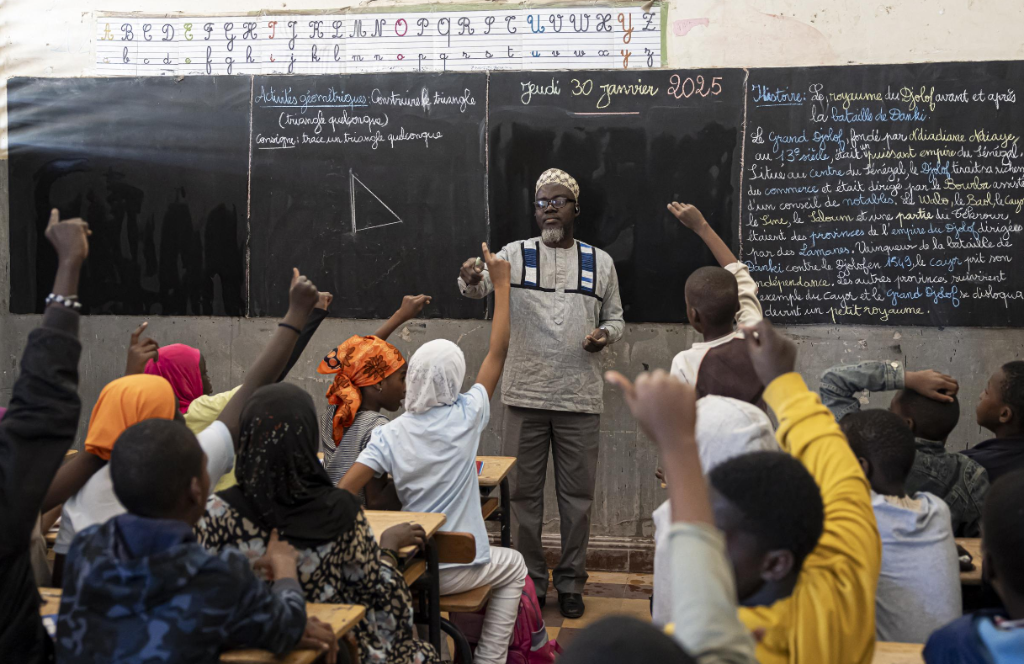
Dakar, October 2026 — As the government calls for calm, Senegal faces a high-stakes dilemma: how to address mounting social grievances while maintaining stability ahead of the Youth Olympic Games. A 72-hour nationwide strike, announced by major unions for October 21–23, could disrupt education, public services and economic activity unless decisive action is taken.
Why this strike goes beyond paychecks
The walkout spearheaded by the G7 coalition of seven education unions is rooted in more than wage disputes. Teachers are protesting delayed implementation of a government agreement signed in April 2026, which promised unpaid allowances, administrative regularizations and expanded training programs. Many educators and support staff, particularly contract workers, have yet to receive salaries owed, with processing backlogs and unclear disbursement schedules adding to the frustration.
The G7 warns that without full compliance, the 2026–2027 academic year—already postponed due to September floods—could face further disruption. The union also points to unmet commitments around universal diplomas and funding for trainee placements, calling these failures a direct breach of trust.
Government response: dialogue mixed with warnings
In parallel with the strike, Prime Minister Ahmadou Al Aminou Lo convened a tripartite steering committee on October 15, reaffirming the administration’s commitment to negotiation and requesting a three-month moratorium on strikes. Yet officials have also signaled a firm stance. On October 20, the Ministry of Public Service and Labour declared that a single strike notice lodged with the ministry alone does not legally cover a general walkout affecting public, semi-public and private sectors. Any stoppages violating procedure may result in wage deductions and disciplinary action.
The same week, authorities pledged to keep roads and supply routes open, and to protect the right to work for employees not participating in the strike—underscoring the precarious balance between freedom of expression and public service continuity.
Political fault lines complicate a social solution
This confrontation unfolds against a backdrop of political friction over budget priorities and institutional relations. Disagreements between senior officials and parliamentary leaders over 2027 fiscal policy have raised concerns about the government’s cohesion. While the unions insist their demands are professional, not political, the timing—just weeks before the Youth Olympic Games—adds pressure on President Macky Sall’s government to prevent disruptions that could tarnish Senegal’s global image.
What’s next: a test of credibility and resolve
Beyond the immediate threat of classroom closures and public transport delays, the strike serves as a test of credibility for both sides. Unions argue that repeated pledges must now be matched by verifiable results. Meanwhile, the government faces a dual challenge: preserving fiscal responsibility while restoring trust in its promises.
Should negotiations resume with a clear implementation roadmap, the crisis could be contained. But if tangible progress stalls, public discontent may deepen—and the Youth Olympic Games could become a stage for dissent rather than national pride.
For parents, students, civil servants and business owners alike, the coming days will reveal whether Senegal can reconcile social justice with stability—or whether frustration will overshadow the promise of progress.