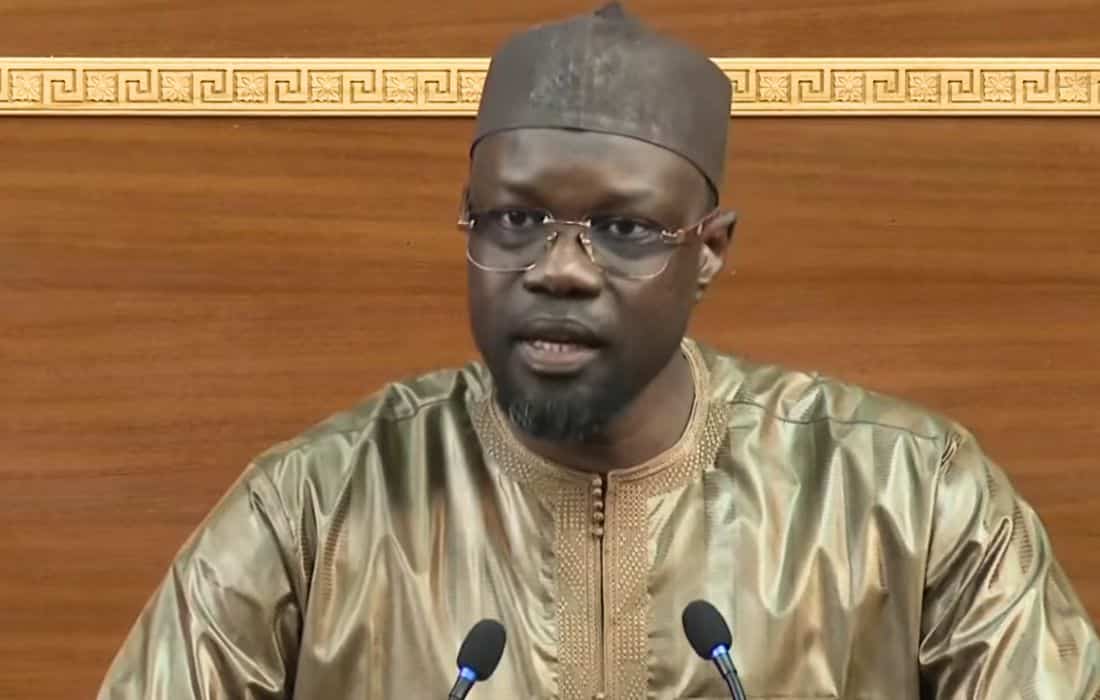
The Senegalese Prime Minister has sharply criticized what he describes as Western attempts to force the country to accept LGBT rights, framing the issue as an attack on national sovereignty. Speaking before the National Assembly, he spoke of a « tyranny » emanating from abroad, accusing external powers of trying to « impose homosexuality » beyond their borders. This rhetoric is part of a growing trend in public discourse, where LGBT rights have become a focal point in debates over national autonomy versus international human rights obligations.
Meanwhile, Senegal has intensified its legal crackdown on same-sex relationships, with amendments to the penal code in early 2026 increasing prison sentences from five to ten years. This move has intensified scrutiny from human rights monitors, who report rising social stigma and arrests targeting LGBT individuals. The new legislation has further polarized public opinion, with many framing the issue as a cultural defense against foreign interference.
Public discourse: tradition versus outside pressure
The debate over LGBT rights in Senegal often revolves around slogans such as « our laws, our values » or « mind your own business ». These responses reflect a recurring tension between national sovereignty and human rights, with critics arguing that LGBT rights are being promoted as a precondition for international cooperation. However, this framing shifts attention away from the lived realities of LGBT individuals in Senegal, who face discrimination, legal persecution, and social exclusion.
Legal penalties and their human impact
Senegal’s penal code criminalizes same-sex relations, and the 2026 amendments have made the penalties harsher than ever. Beyond the courtroom, the law has fueled a climate of fear, with reports of mob violence, arbitrary arrests, and forced displacements. Human rights organizations warn that these measures not only violate constitutional guarantees but also endanger vulnerable communities. The question is no longer just about legality—it is about survival.
Why international concern matters
Critics often question why international organizations speak out on Senegal’s LGBT rights situation. The answer lies in the principle of universality: when individuals are jailed or attacked for their sexual orientation, it is not just a domestic issue. It is a matter of human dignity, safety, and the fundamental right to live without fear of persecution. Ignoring these violations would mean accepting that human rights protections stop at national borders—a principle no modern state can credibly uphold.
Human rights: imposed or self-chosen commitments?
Some argue that human rights norms are an external imposition, but this ignores the fact that Senegal itself has voluntarily committed to these principles. The 2001 Constitution explicitly references the Universal Declaration of Human Rights, embedding non-discrimination and dignity into the legal framework. Calling for compliance with these standards is not an act of interference—it is a demand for accountability to commitments Senegal has already made.
LGBT lives are not a foreign import
A persistent myth claims that LGBT identities are alien to African societies, but history and anthropology tell a different story. Same-sex relationships and gender diversity have existed across West Africa for generations. In Senegal, the goor-jigeen—a traditional role among the Serer people—challenges the notion that these identities are recent or imported. The denial of this reality only deepens the stigma faced by LGBT individuals today.
The debate’s deeper tensions
The conversation around LGBT rights in Senegal is entangled with broader issues: colonial legacies, political rivalries, and social conservatism. While some frame LGBT rights as a threat to national identity, others see legal persecution as a violation of constitutional promises. Words like « gangrene » or « menace » are not just disagreements—they dehumanize LGBT individuals, reducing their existence to a political problem rather than a human one.
Defending rights without dictating change
Organizations working on the ground emphasize that their mission is not to impose foreign values but to protect individuals from harm. No person should face punishment, violence, or exclusion because of who they are. Behind the rhetoric of sovereignty lies a simple truth: real lives are at stake, and silence in the face of injustice is complicity.
A global movement, local struggles
Violations of LGBT rights are not unique to Senegal. From Russia to China, similar patterns of persecution exist. Human rights defenders act where they can, guided by local realities and urgent need. Supporting these efforts is not about ranking suffering—it is about standing with those who are targeted simply for living authentically.
Taking action
Concrete steps can make a difference. Initiatives providing legal aid, emergency shelter, and psychological support to LGBT individuals in Senegal offer a lifeline to those fleeing violence or arrest. Contributing to such efforts transforms concern into tangible relief, ensuring that no one is left to face these challenges alone.