
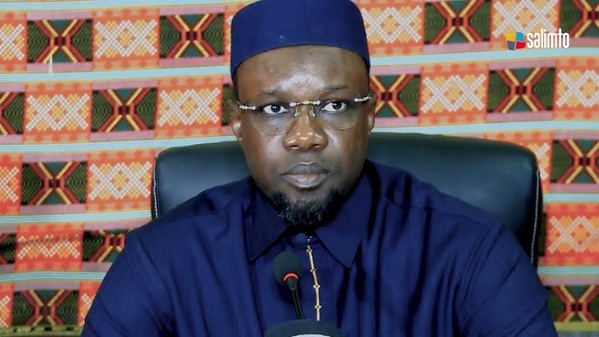
During a high-level inter-ministerial meeting on infrastructure development, Prime Minister Ousmane Sonko presented a comprehensive assessment of 245 underutilized or stalled infrastructure assets and projects nationwide. The review, based on data collected from various ministries, identified critical opportunities for optimization, completion, or repurposing to maximize public investment returns.
Four categories of infrastructure assets were outlined to guide government action:
Infrastructure completed but not operational
This category includes 30 completed projects that remain idle, with 25 currently blocked due to unresolved issues. The frozen investment in these dormant assets totals 279 billion CFA francs. Fifteen of these projects are classified as high-priority due to their financial impact and the nature of the obstacles preventing their activation.
Operational assets eligible for repurposing or enhancement
A total of 23 assets across eight sectors are already operational but could benefit from repurposing or value addition. These are managed by 13 different entities and represent an estimated value of 1,065 billion CFA francs.
Projects requiring completion
Ninety-four infrastructure projects are currently in progress and require urgent completion. Of these, 62 are stalled, with a total investment of 5,227 billion CFA francs. An additional 973 billion CFA francs in funding is needed to bring these projects to fruition.
State-owned real estate and land for potential monetization
The government identified 97 state-owned properties, of which 91 are located in Dakar. These assets have a combined market value of 132 billion CFA francs, with renovation costs estimated at 12.1 billion CFA francs.
Root causes of infrastructure delays
The Prime Minister highlighted multiple factors contributing to the stagnation of infrastructure development, including:
- Financial constraints: 42 projects are stalled due to insufficient investment credits, delayed payments, or outright non-payment, leading to work stoppages and operational budget shortages.
- Technical and coordination challenges: 18 projects face delays caused by poor coordination between project owners and utility operators (water, electricity, telecommunications), resulting in incomplete technical work, delivery delays, and missing or improperly installed equipment.
- Legal and administrative hurdles: 14 projects are blocked by legal conflicts, annulled contracts, unresolved administrative issues, pending agreements, or the absence of formal decrees establishing institutional frameworks.
- Operational deficiencies: 13 projects—some completed years ago—remain unused due to the absence of operational or management models, representing a paradoxical waste of resources.
Additional challenges include mismatches between infrastructure and actual needs, lack of formal handover procedures, and poor inter-agency coordination.
Government response and future measures
Prime Minister Sonko announced decisive actions to address these issues:
- The establishment of a dedicated committee at the Prime Minister’s office to finalize and expand the infrastructure review process, ensuring no asset is overlooked.
- A formal request for ministries to update and complete the inventory of infrastructure projects and assets.
- Enhanced anticipation of technical challenges related to utility connections (hydraulic, electrical) to prevent avoidable delays.
- Emphasis on integrating operational planning into infrastructure design to prevent future underutilization and inefficiency.
‘It is inconceivable to build infrastructure without planning for its operation,’ Sonko stated, emphasizing that such oversights contribute significantly to project stagnation. He condemned the ‘massive losses’ resulting from inefficiencies, negligence, and systemic weaknesses, advocating for a zero-tolerance policy toward delays and mismanagement in public infrastructure development.