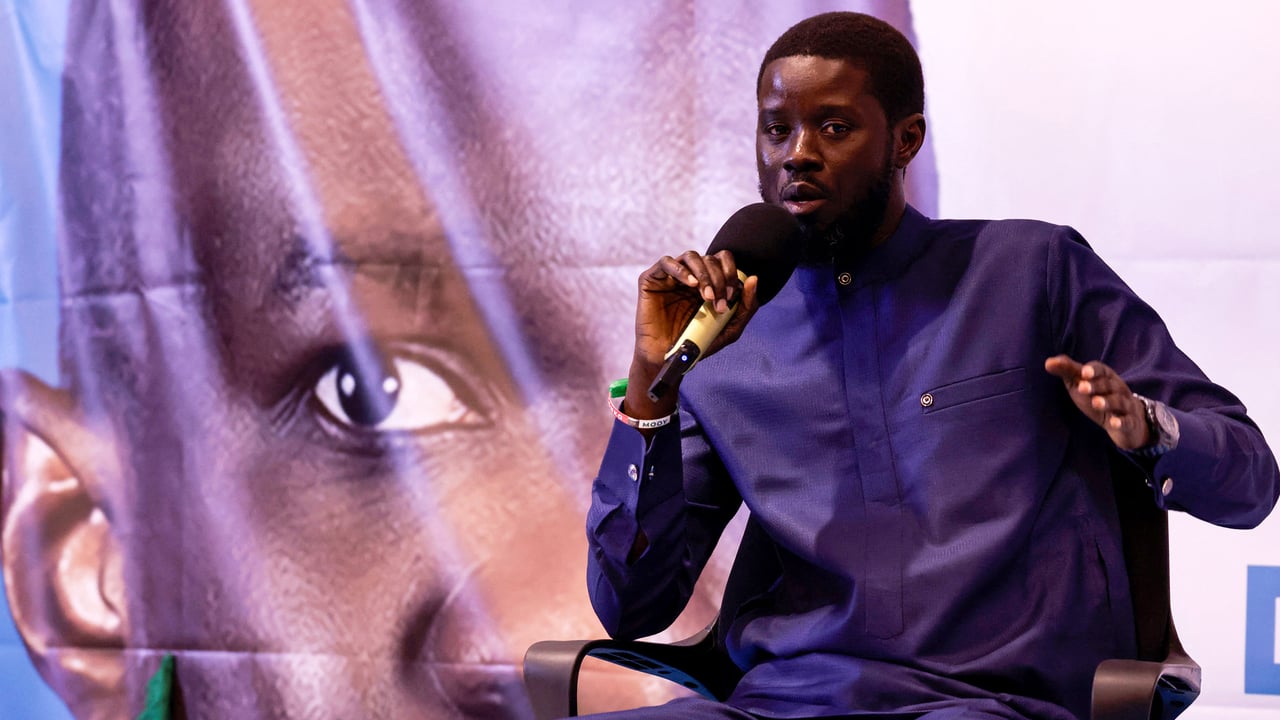

The political landscape in Senegal has been rocked by a bitter internal rift that has left both allies and opponents stunned. At the heart of this turmoil are two prominent figures: Bassirou Diomaye Faye and Ousmane Sonko, whose once-unbreakable bond has shattered, exposing deep-seated divisions within their movement.
From political allies to bitter rivals
What began as a powerful alliance between Faye and Sonko—one that reshaped Senegalese politics and captivated the nation—has devolved into a full-blown feud. Their relationship, once a cornerstone of the Pastef movement, now stands as a cautionary tale of how ambition and diverging visions can fracture even the closest partnerships.
The roots of this conflict stretch back years, long before Faye was elected President in 2024. It was during their shared fight against political repression that the two first joined forces, rallying supporters under the banner of change and social justice. Yet, as their influence grew, so did the tensions beneath the surface.
Key moments that fueled the divide
The first major crack appeared during the 2023 electoral campaign, when Sonko faced a disqualification attempt that threatened to derail his presidential bid. Faye, then a lesser-known figure, stepped forward as his surrogate, emerging as both a protector and a rising star within the movement. His subsequent election in 2024 marked the pinnacle of their collaboration—until cracks began to show.
Internal disagreements over governance priorities soon surfaced. Where Sonko advocated for a more radical agenda, Faye pushed for a pragmatic approach to stabilize the country. These differences, though initially manageable, festered into open hostility as each leader sought to assert dominance over the movement’s direction.
Public clashes and political fallout
The facade of unity collapsed publicly earlier this year when Sonko openly criticized Faye’s administration, accusing it of betraying the movement’s core values. In response, Faye accused Sonko of undermining national stability by fueling dissent. Their verbal sparring escalated into a full-blown political standoff, with supporters of both camps taking sides in a battle that has left the nation divided.
The fallout has extended beyond personal animosity. The Pastef movement, once a unified force challenging the status quo, now faces internal fragmentation. Loyalists of Sonko have accused Faye of abandoning the movement’s revolutionary ideals, while backers of the President argue that Sonko is jeopardizing progress with his confrontational tactics.
What’s next for Senegal?
With their feud showing no signs of abating, the future of Pastef—and by extension, Senegal’s political trajectory—hangs in the balance. The rift has not only weakened their collective influence but also raised concerns about the stability of a government already grappling with economic and social challenges.
Analysts warn that if the divide persists, it could embolden opposition forces and undermine the reforms both leaders once championed. Meanwhile, ordinary Senegalese citizens find themselves caught in the crossfire, their faith in the political class further eroded by this spectacle of infighting.
As the dust settles, one question looms large: Can Faye and Sonko reconcile, or has their clash permanently altered the political landscape of Senegal? One thing is certain—their story is far from over.