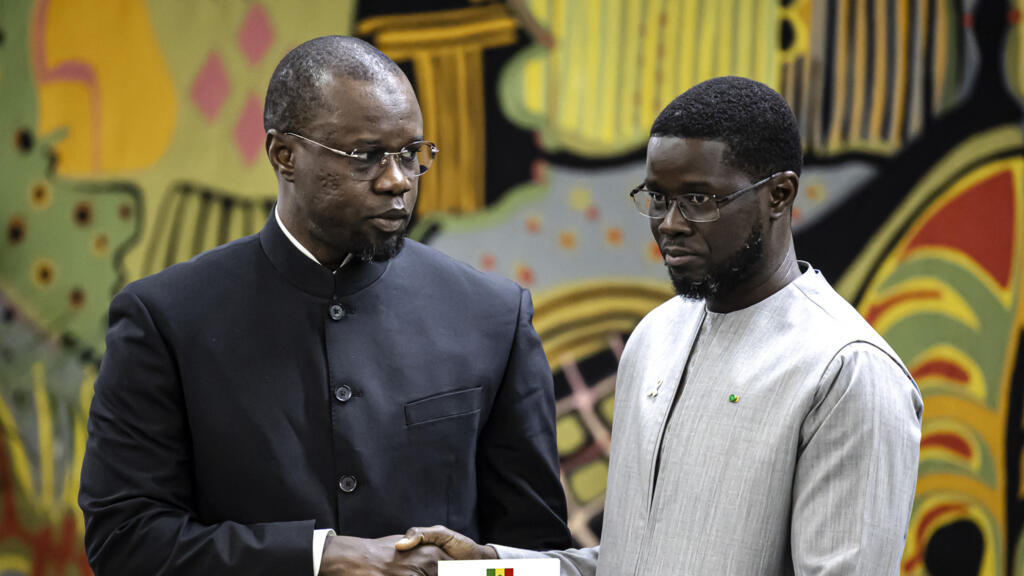
President Bassirou Diomaye Faye of Senegal has initiated a series of extensive consultations across the nation, signaling a shift from the traditional annual dialogue day observed since 2016. Instead of the single-day event, Faye announced a ten-day period of discussions with key societal groups, including NGOs, political parties, traditional leaders, and religious figures.
«This approach underscores the president’s commitment to dialogue and inclusivity,» noted Maurice Soundieck Dione, a political science professor at the University of Gaston Berger in Saint-Louis. Faye’s strategy aims to position consultation as the cornerstone of his governance style, addressing criticisms from opposition parties who argue that recent electoral law reforms and planned constitutional changes were implemented without adequate input.
Prime Minister Ousmane Sonko to address lawmakers
In parallel, Prime Minister Ousmane Sonko is set to address the National Assembly on May 22, a move that has sparked discussions about coordination—or the lack thereof—between the two leaders. While questions to the government are part of the official parliamentary calendar, the timing has raised eyebrows. Analyst Assane Samb suggested that «a better alignment between the president’s consultations and the prime minister’s address could have been beneficial.»
However, political observers like Maurice Soundieck Dione argue that the current dynamic reflects a «competition between allies turned rivals at the helm of the state,» with both leaders vying to assert their influence. This scenario highlights the complexities of Senegal’s evolving political landscape under its new leadership.