The Senegalese head of state, Bassirou Diomaye Faye, has dismissed Prime Minister Ousmane Sonko, marking the end of a political partnership forged just two years ago under a wave of public enthusiasm. The decision, announced through a televised statement delivered by the presidential secretary-general, Oumar Samba Ba, took effect immediately, with Sonko and his entire cabinet now tasked with handling routine state affairs until further notice.
The move follows months of escalating discord between the president and his former ally, whose charismatic leadership once galvanized the youth and opposition against the previous administration. Sonko, a prominent panafricanist figure, had been barred from running in the 2024 election due to a criminal conviction, which paved the way for Faye to emerge as his surrogate under the slogan “Diomaye Moy Sonko”—meaning “Diomaye is Sonko” in Wolof.
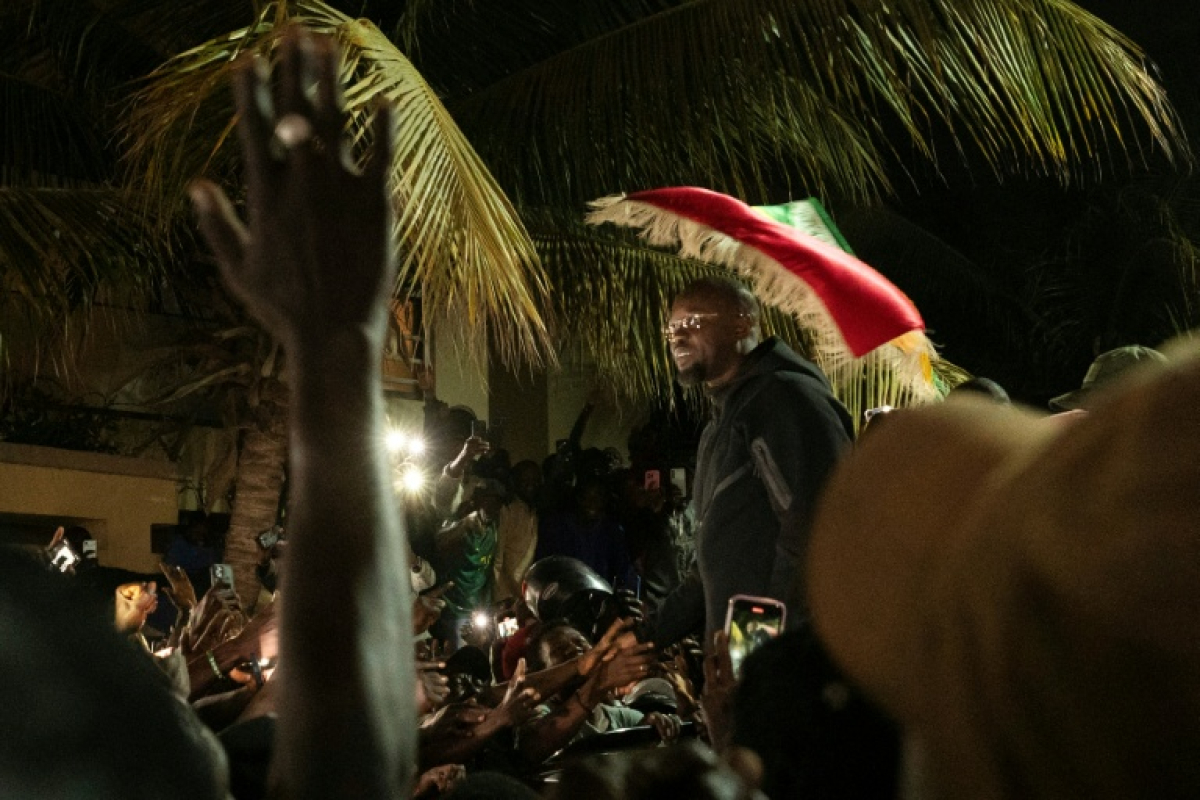
Upon learning of his dismissal, Sonko took to social media to express relief, stating, “Alhamdoulillah. Tonight, I will sleep with a light heart in the Keur Gorgui neighborhood.” Within hours, crowds of supporters gathered outside his Dakar residence, cheering as he addressed them from his doorstep.
Parliamentary clashes and policy disputes fuel rift
The breakdown in relations reached a boiling point when Sonko, addressing lawmakers, accused Western powers of attempting to impose homosexuality on Senegal, a predominantly Muslim nation that recently tightened penalties for same-sex relations. This bold stance, delivered mere weeks after the controversial legislation passed, underscored the widening ideological gulf between the two leaders.
Earlier in May, President Faye had publicly criticized what he described as Sonko’s excessive personalization of power within their shared political party. “As long as he remains Prime Minister, it is because I trust him,” Faye stated in a televised interview. “When that trust fades, a new Prime Minister will be appointed.”
Sonko’s party, which commands a dominant majority in the National Assembly following the 2024 legislative elections, has pushed through contentious reforms—including a revised electoral code that critics argue clears the path for Sonko to contest the 2029 presidential race. Meanwhile, Faye, though lacking the same grassroots fervor, continues to cultivate support through the “Diomaye Président” movement, hinting at his own ambitions for the future.
The economic backdrop to this political upheaval is equally fraught. The International Monetary Fund has identified Senegal as the second-most indebted nation in sub-Saharan Africa, with public debt soaring to 132% of GDP—a crisis inherited from the previous administration and exacerbated by allegations of financial mismanagement. The revelation led to the suspension of a $1.8 billion IMF assistance program in 2024, casting further uncertainty over the country’s fiscal stability.