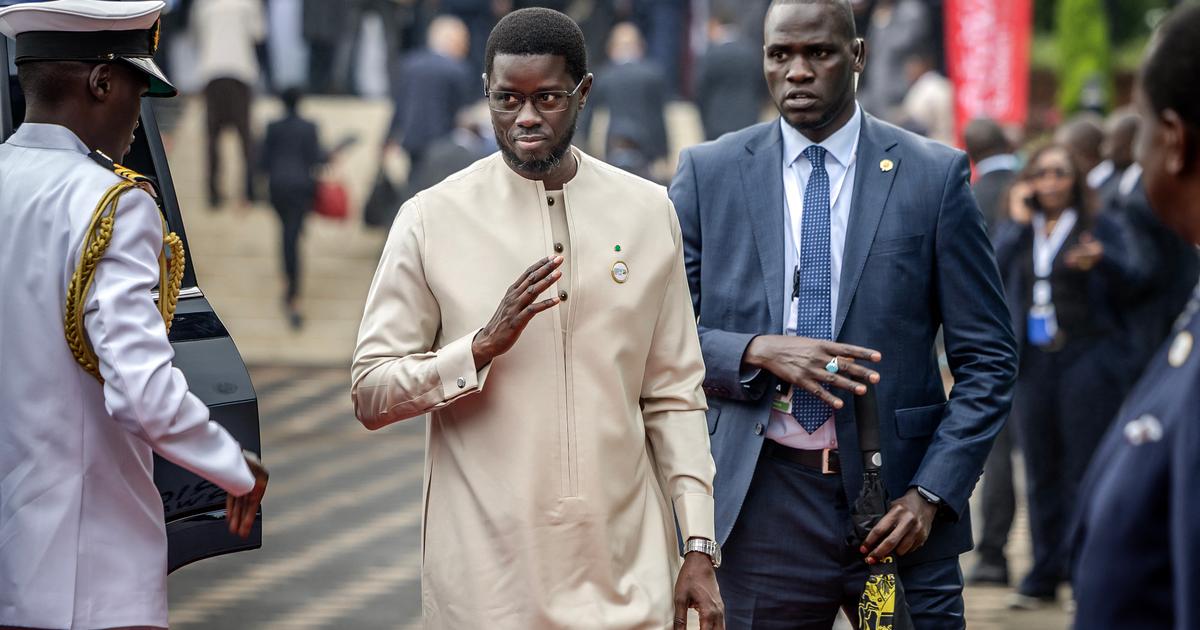
In a whirlwind of institutional reshuffling, Senegal has undergone a rapid political transformation. Between May 22, when President Bassirou Diomaye Faye dismissed Prime Minister Ousmane Sonko, and May 26, when Sonko was elected as Speaker of the National Assembly, followed by the appointment of Ahmadou Alhaminou Mohamed Lô as the new head of government on May 25, the country experienced an unprecedentedly swift political sequence.
“The power dynamics have shifted significantly,” noted local observers. With these changes, questions arise about whether this political realignment could influence decision-making amid the ongoing financial and economic crisis.
The stakes are high. “Senegal stands on the brink of a financial precipice,” warned economist Abdoulaye Ndiaye in a widely discussed analysis. Public debt has soared to 132% of GDP, while debt repayments grow increasingly uncertain due to rising energy costs exacerbated by disruptions in the Strait of Hormuz. The economic strain continues to intensify.
Historically, the Patriotic Africans of Senegal for Work, Ethics, and Fraternity (Pastef) party has resisted the International Monetary Fund’s (IMF) economic restructuring recommendations. However, with the recent political shifts, analysts suggest a potential softening of this stance. Could this open the door to closer alignment with IMF policies?