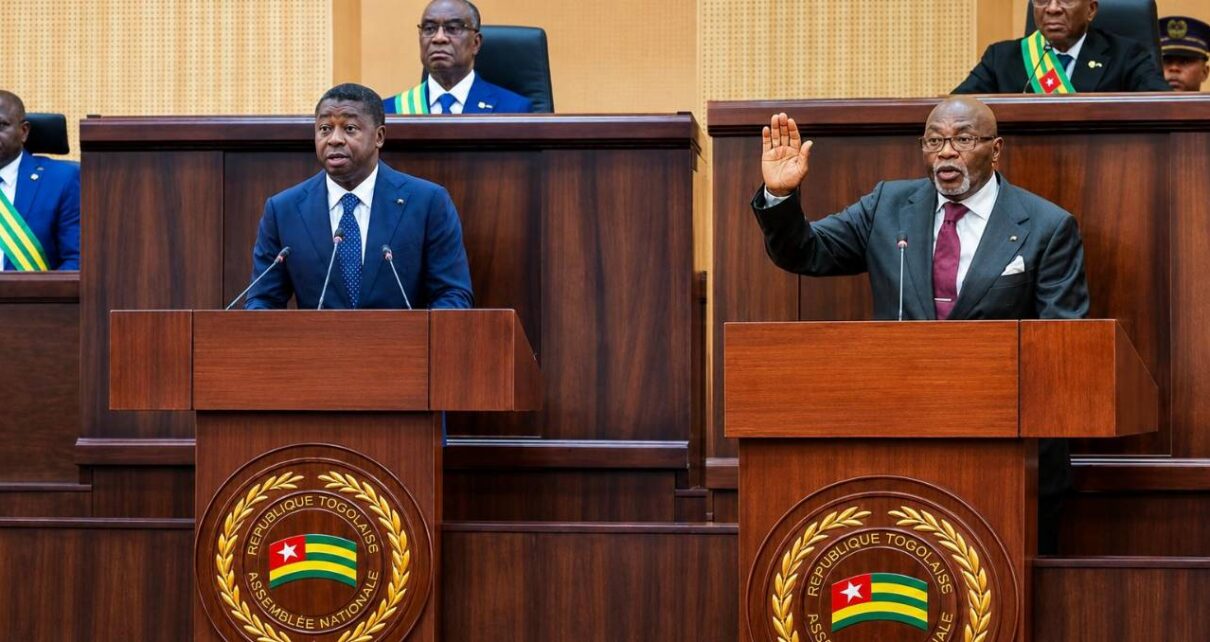
Togo has recently undergone a significant constitutional transformation, which many observers interpret as a deliberate move to undermine democratic alternation. Following the adoption of a new Constitution on April 19, the nation transitioned from a semi-presidential system to a tailored parliamentary framework. Beneath the technical veneer of this change lies a clear objective: to cement Faure Gnassingbé’s presidency for life.
The strategy for absolute authority
Within this updated governmental structure, the role of President of the Republic has been largely stripped of its authority, becoming a mere ceremonial position. Divested of key sovereign powers, the head of state now serves primarily as a symbolic figure.
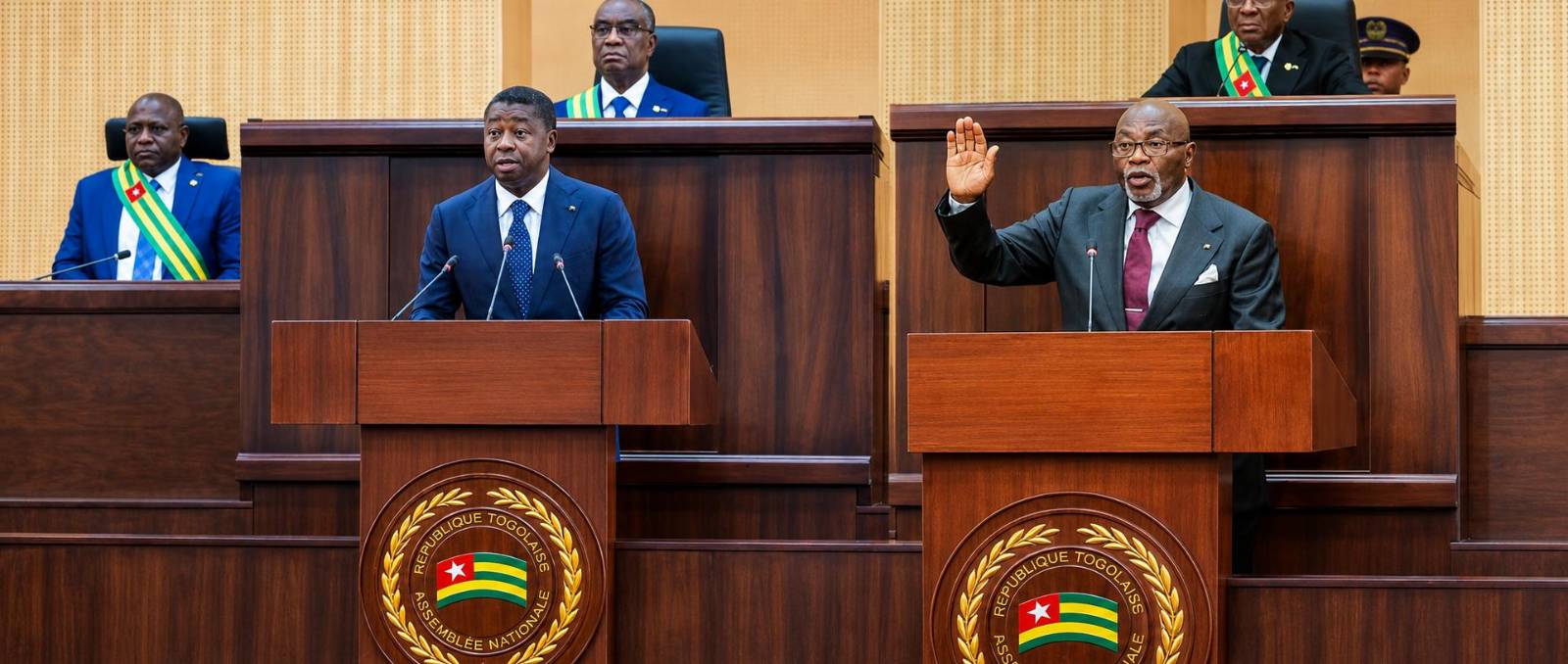
Conversely, the true center of power in this system resides with the President of the Council of Ministers. This position, meticulously designed for and by Faure Gnassingbé, consolidates ultimate control over the military, foreign policy, and public administration. This apparent duality is merely a superficial imbalance, intended to obscure the overwhelming dominance of an individual unwilling to relinquish control.
Faure Gnassingbé: the specter of an unending reign
The most critical aspect of this reform is the effective elimination of presidential term limits. By linking the head of government’s tenure to a simple parliamentary majority—an assembly entirely loyal to the ruling party—the regime has dismantled the final legal barrier preventing perpetual political power.
This