Congo targets 60% clean water access by 2035 through continental collaboration
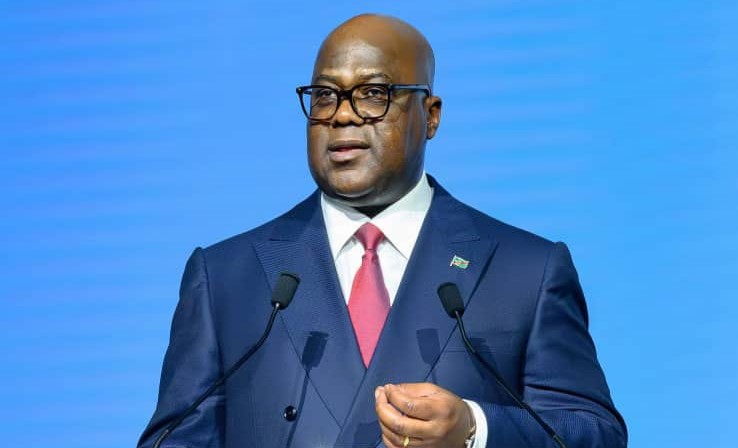
Addressing leaders, development partners and water experts in N’Djamena, the President of the Democratic Republic of Congo underscored his nation’s vast water resources while stressing the need to convert this potential into tangible benefits for citizens.
The Congolese government has set a clear agenda: by 2035, it aims to provide 60% of the population with access to clean drinking water. This comes alongside a complementary goal of ensuring 50% coverage for sanitation and hygiene services, a dual commitment designed to curb waterborne diseases and elevate living standards across the country.
Schools and health centers prioritized for water infrastructure
In a bold move to strengthen social services, Kinshasa plans to equip 80% of schools and health facilities with reliable water, sanitation and hygiene infrastructure by the same deadline. The initiative is framed as essential for protecting vulnerable populations—especially children and patients—who are most exposed to health risks from inadequate water systems.
« Ensuring dependable access to water, sanitation and hygiene in 80% of schools and health centers is not just a goal—it’s a necessity for communities that need these services the most, » the President stated during the regional forum.
To finance this transformation, the government is rallying multiple sources of funding: public investment, private sector participation and international support. The goal is to bridge the infrastructure gap that has long constrained access in many regions.
Five pillars to modernize water governance across Africa
The Congolese leader proposed a five-point strategy to reshape the continent’s water sector:
- Policy integration: Aligning national strategies with continental frameworks for cohesive action.
- Stronger governance: Building transparent, accountable institutions to manage water resources efficiently.
- Project readiness: Developing technically sound and financially viable water projects to attract investment.
- Local industrialization: Producing essential water infrastructure components domestically—pipes, pumps, meters, treatment systems, irrigation tools and digital solutions.
- Strategic planning: Establishing a robust pipeline of bankable projects to secure long-term financing.
The President emphasized that fostering a local water industry would not only cut reliance on imports but also spur job creation and industrial development. He called for a unified African approach: more access, better governance and a self-sustaining water economy.
« Africa must stop outsourcing its water security. We need to build the capacity to produce, manage and innovate—right here on our continent, » he declared.